
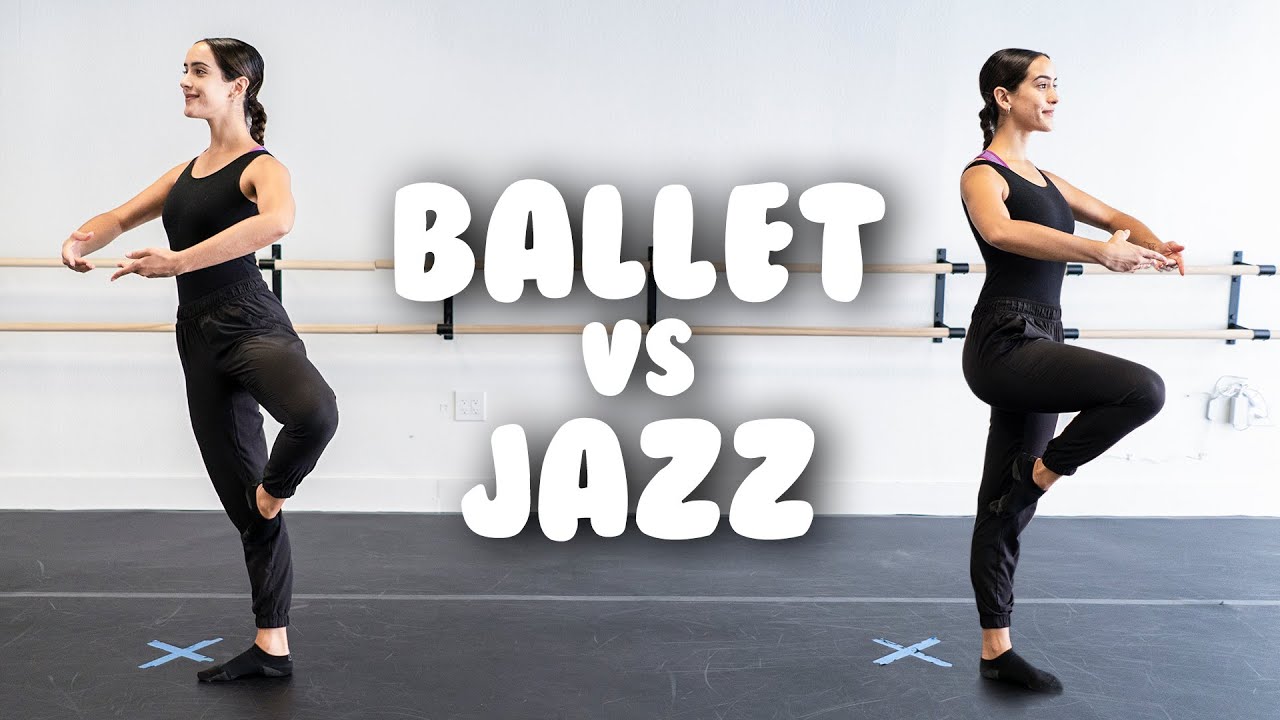
Jazz and ballet pirouettes differ significantly in technique, posture, and artistic intent. While both involve turning on one foot, their execution reflects distinct dance philosophies and training methods.
The primary difference lies in body alignment and arm placement. Ballet pirouettes emphasize verticality and precision, whereas jazz pirouettes allow for dynamic angles and expressive freedom. Public records covering this story are gathered in
Origins and Training Foundations of Each Dance Form
Ballet originated in the Italian Renaissance courts of the 15th century before evolving in France and Russia. It developed as a codified system with strict rules governing posture, turnout, and movement quality. Classical ballet training emphasizes turnout from the hips, lifted spine, and pointed feet.
Jazz dance emerged in the early 20th century United States, influenced by African American vernacular dance, tap, and musical theater. It prioritizes rhythm, syncopation, and individual expression over rigid form. Jazz technique often incorporates isolations, contractions, and grounded movements absent in classical ballet. Public records covering this story are gathered in
These historical roots shape how each dance form approaches turning techniques. Ballet’s structured lineage demands uniformity, while jazz embraces stylistic variation across regions and choreographers.
Technical Execution of Pirouettes in Ballet and Jazz
In ballet, a pirouette begins from a preparatory position such as fourth or fifth en pointe or demi-pointe. The dancer maintains a lifted torso, engaged core, and turned-out legs throughout the turn. Arms typically form rounded shapes—first or second position—before sweeping into a tight fifth position during rotation.
Spotting—the rapid head turn to fix the gaze on a single point—is essential in ballet pirouettes to prevent dizziness. Dancers keep their supporting leg straight and working leg tightly crossed in passé, with the knee aligned over the ankle.
Jazz pirouettes, by contrast, often start from parallel or slight turnout positions. The torso may tilt forward or backward, and arms frequently extend into angular or asymmetrical shapes. Spotting is still used but may be less rigid, allowing for more fluid head movements.
Jazz turns frequently incorporate momentum from the upper body or off-center weight shifts. A jazz pirouette might include a prep with a bent knee, a push from the floor with a flat or flexed foot, and a release into multiple rotations with varied arm gestures.
What Is Confirmed and What Remains Unverified
These elements are consistently taught in classical syllabi such as the Vaganova and Cecchetti methods.
However, specific technical standards vary widely among jazz instructors and choreographers. There is no single authoritative method for jazz turning technique.
What remains unclear is whether certain hybrid forms—such as lyrical or contemporary jazz—should be classified strictly under jazz or as fusion styles. Some sources suggest these blends incorporate balletic precision with jazz expressiveness, making categorization difficult.
Additionally, the psychological impact of each pirouette style on audience perception lacks comprehensive study. While anecdotal evidence suggests ballet pirouettes convey elegance and control, jazz pirouettes evoke energy and individuality, empirical research is limited.
Why Understanding These Differences Matters for Dancers and Choreographers
Recognizing the distinctions between jazz and ballet pirouettes helps dancers avoid technical confusion and injury. Attempting ballet-style turnout in a jazz context without proper training can strain the hips and knees. Conversely, applying jazz looseness to ballet may compromise form and artistic integrity.
For choreographers, understanding these differences enables intentional stylistic choices. A ballet pirouette can underscore a moment of grace or stillness, while a jazz pirouette might highlight rhythm, attitude, or theatrical flair.
Cross-training in both disciplines benefits versatile performers, but only when techniques are respected within their original contexts. Dancers who master both forms gain broader expressive tools and deeper appreciation for dance history.
Ultimately, the contrast between jazz and ballet pirouettes reflects broader artistic values: discipline versus spontaneity, tradition versus innovation. Both remain vital to the evolution of dance as a performing art.