
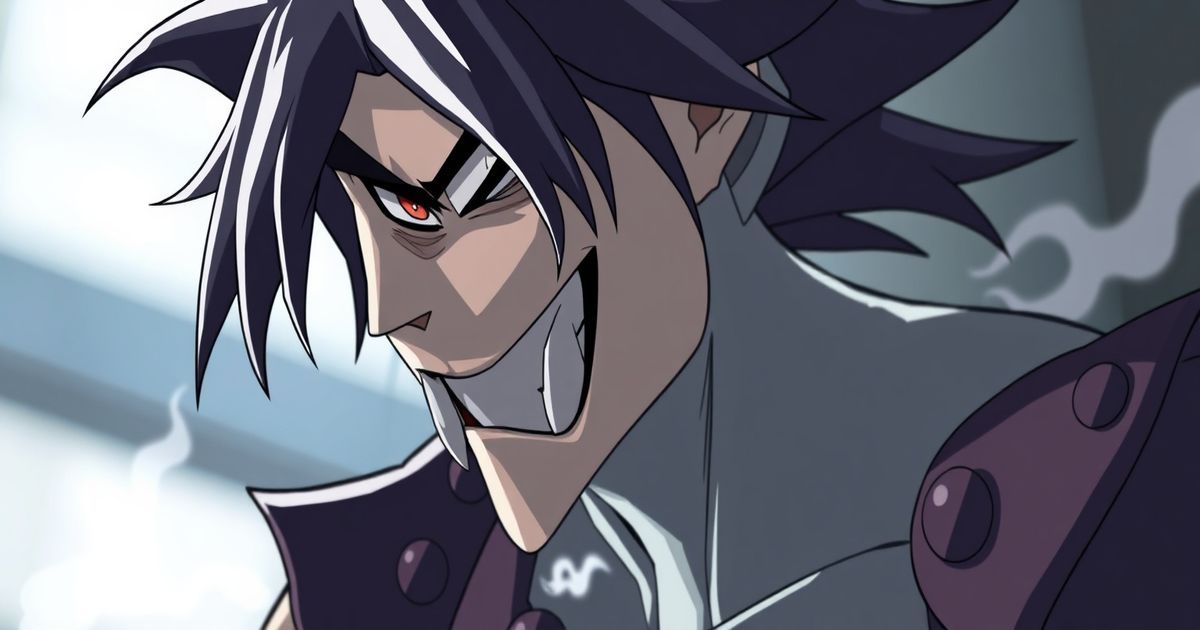
While heroes often capture our admiration, it’s frequently the anime villain who steals the narrative spotlight, driving conflict and emotional depth in unforgettable ways. These antagonists transcend simple “bad guy” tropes, evolving into complex figures that challenge protagonists philosophically, morally, and physically. From tragic figures with relatable motives to embodiment of pure chaos, the anime villain shapes entire story arcs and defines series legacies. Understanding their construction reveals why anime storytelling resonates so powerfully across cultures. This guide dives into the anatomy of compelling antagonists, exploring their psychological layers, narrative functions, and cultural impact. Whether you’re a seasoned fan or new to anime, recognizing what makes these characters endure offers fresh perspectives on your favorite shows. Let’s unravel the artistry behind the most memorable foes in Japanese animation.
What Makes an Anime Villain Truly Compelling?
A great anime villain isn’t defined solely by evil deeds but by their ability to evoke nuanced reactions—fear, pity, even reluctant admiration. Unlike Western counterparts that often prioritize physical threat, anime antagonists frequently embody ideological conflicts, forcing heroes (and viewers) to confront uncomfortable truths. Consider Pain from Naruto, whose trauma-driven quest for peace mirrors the hero’s journey, blurring moral lines. This complexity stems from anime’s roots in Japanese storytelling traditions like mono no aware (awareness of impermanence), where suffering and redemption are central themes. A compelling anime villain also serves as a narrative catalyst; their actions expose societal flaws, test the protagonist’s resolve, and elevate stakes beyond personal vendettas. For instance, Light Yagami in Death Note isn’t just a killer—he’s a dark reflection of justice, challenging viewers to question their own ethics. According to Wikipedia, anime’s global rise has amplified how these villains resonate universally, yet retain culturally specific nuances. Ultimately, the best antagonists linger because they make us wonder: What would I do in their place? This psychological depth transforms them from obstacles into essential pillars of the story’s emotional architecture.
Common Archetypes and Their Evolution
Anime villains often fit recognizable archetypes, but modern series subvert these tropes to create fresh narratives. Understanding these patterns helps decode their narrative purpose:
- The Dark Lord/Overarching Threat: Characters like Madara Uchiha (Naruto) or Frieza (Dragon Ball Z) represent pure, overwhelming power. They dominate entire sagas, forcing heroes to evolve beyond physical combat into ideological battles. Their presence often symbolizes systemic corruption or existential dread.
- The Tragic Anti-Villain: Figures such as Griffith (Berserk) or Johan Liebert (Monster) embody shattered ideals. Their descent into villainy stems from trauma, betrayal, or warped love, making them pitiable yet terrifying. This archetype explores how pain distorts morality.
- The Manipulative Strategist: Aizen Sousuke (Bleach) or Lelouch vi Britannia (Code Geass) excel at psychological warfare. They outthink opponents, turning allies against each other. Their genius lies in exploiting human weaknesses, making victories feel earned through intellect rather than brute force.
- The Ideological Opponent: Light Yagami (Death Note) or Erwin Smith (Attack on Titan—though a hero, his methods mirror this archetype) fight for a cause they believe is righteous. Their conflict with protagonists isn’t personal but philosophical, raising questions about ends justifying means.
These archetypes have evolved significantly. Early anime often featured one-dimensional foes, but post-2000s series prioritize moral ambiguity. Villains now frequently drive character development for both sides, as seen in My Hero Academia’s Tomura Shigaraki, whose tragic backstory humanizes his nihilism. This shift reflects broader cultural conversations about empathy and systemic change, proving that the anime villain remains a dynamic storytelling tool.
Psychological Depth: Motivations That Resonate
The most enduring anime villain characters thrive on psychologically rich motivations that transcend simple malice. Unlike cartoonish antagonists, they operate from relatable human experiences—trauma, love, or a desperate need for control. Take Obito Uchiha (Naruto), whose descent into villainy begins with the death of his friend Rin; his “Eye of the Moon” plan stems from a twisted desire to create a painless world, mirroring real-world ideologies born from grief. Similarly, Attack on Titan’s Eren Yeager evolves from hero to villain through his obsession with freedom, illustrating how noble goals can curdle into tyranny. This depth connects to psychological concepts like cognitive dissonance, where characters justify atrocities to align with their self-image. Anime often explores how isolation fuels villainy, as seen in Psycho-Pass’s Akane Tsunemori, who confronts antagonists shaped by societal neglect. By grounding motives in universal emotions—fear, hope, vengeance—these characters become mirrors for viewers’ own struggles. For deeper analysis of character psychology in anime, explore our resources. Ultimately, a villain’s power lies not in their strength, but in their ability to make us understand, if not condone, their path.
Impact on Storytelling and Cultural Legacy
An anime villain often dictates a series’ thematic weight and emotional payoff. Their defeat rarely feels like a simple victory; instead, it signifies the resolution of deeper conflicts. In Fullmetal Alchemist: Brotherhood, Father’s quest for godhood forces the Elric brothers to confront the cost of playing god themselves, turning the climax into a meditation on humility. Villains also drive world-building—One Piece’s World Government villains expose systemic oppression, making the Straw Hats’ rebellion resonate as social commentary. Culturally, iconic antagonists like Dragon Ball’s Cell or Sailor Moon’s Queen Beryl have transcended their series, influencing global pop culture through memes, cosplay, and academic analysis. They embody archetypes that speak to universal fears: the loss of identity (Cell), the corruption of power (Aizen), or the seduction of absolute control (Madara). According to Britannica, the evolution of villainy in storytelling reflects societal anxieties, and anime villains are no exception—they channel contemporary issues like technological ethics (Ghost in the Shell) or environmental collapse (Nausicaä). This legacy ensures that the anime villain remains central to anime’s identity as a medium that tackles complex human experiences.
Top 5 Iconic Anime Villains and Why They Endure
Certain antagonists achieve legendary status through unforgettable presence and thematic significance. Here are five benchmarks:
- **Madara Uchiha (Naruto): As the “God of War,” Madara embodies the cycle of hatred plaguing the ninja world. His resurrection arc forces Naruto and Sasuke to unite, symbolizing reconciliation. His godlike power and tragic backstory make him a pinnacle of the “Dark Lord” archetype.
- Light Yagami (Death Note): A genius sociopath who believes he’s creating a utopia, Light’s intellectual duel with L redefined psychological thrillers in anime. His god complex and moral decay explore the seductive danger of absolute power.
- Aizen Sousuke (Bleach): With his calm demeanor and masterful manipulation, Aizen represents the ultimate strategist. His betrayal of the Soul Society and quest for godhood showcase how intellect can be more terrifying than brute force.
- Griffith (Berserk): Griffith’s sacrifice of his comrades for godhood remains one of anime’s darkest moments. His charisma and tragic fall epitomize the “tragic anti-villain,” blending ambition with devastating consequences.
- Tomura Shigaraki (My Hero Academia): Evolving from a petulant teen to a symbol of societal decay, Shigaraki’s journey reflects real-world disillusionment. His connection to All For One adds layers of inherited trauma, making him a modern icon.
These characters endure because they challenge viewers intellectually and emotionally. They aren’t just obstacles—they’re catalysts for growth, forcing heroes (and audiences) to confront uncomfortable truths about power, justice, and humanity.
Why We Love to Hate Them: The Cultural Fascination
The global obsession with the anime villain** reveals deeper cultural and psychological dynamics. Unlike passive audiences of traditional media, anime fans actively dissect antagonists through fan theories, AMVs, and cosplay, transforming them into communal touchstones. This engagement stems from how these characters embody collective anxieties—Cell’s perfectionism mirrors societal pressure, while Demon Slayer’s Muzan Kibutsuji represents the terror of the unseen (like pandemics). Psychologically, villains provide a safe space to explore taboo desires; we admire Light Yagami’s intellect while condemning his actions, satisfying a need for moral complexity. Academics note that anime villains often reflect Japan’s historical relationship with conflict, where antagonists aren’t “evil” but products of circumstance—a nuance less common in Western hero narratives. This cultural specificity, paired with universal themes, explains their cross-border appeal. Platforms like Crunchyroll report that villain-centric episodes consistently trend, proving their narrative pull. Ultimately, we love these characters because they hold up a mirror to our own contradictions, making the anime villain indispensable to anime’s emotional depth.
Conclusion: The Enduring Power of the Antagonist
The anime villain is far more than a narrative obstacle—it’s a cornerstone of anime’s ability to explore profound human experiences. From tragic figures like Griffith to ideological titans like Light Yagami, these antagonists challenge us to question morality, empathy, and the cost of our ideals. Their psychological depth, cultural resonance, and narrative necessity ensure they remain central to anime’s global appeal. As storytelling evolves, so will the archetypes, but the core truth endures: a great villain makes the hero’s journey meaningful. Whether you’re revisiting classics or discovering new series, pay attention to the antagonists—they often hold the key to the story’s soul. Ready to dive deeper into anime’s most compelling characters? Discover exclusive analyses and character studies at animecx.com. Share your favorite anime villain in the comments below—we’d love to hear what makes them unforgettable to you!