
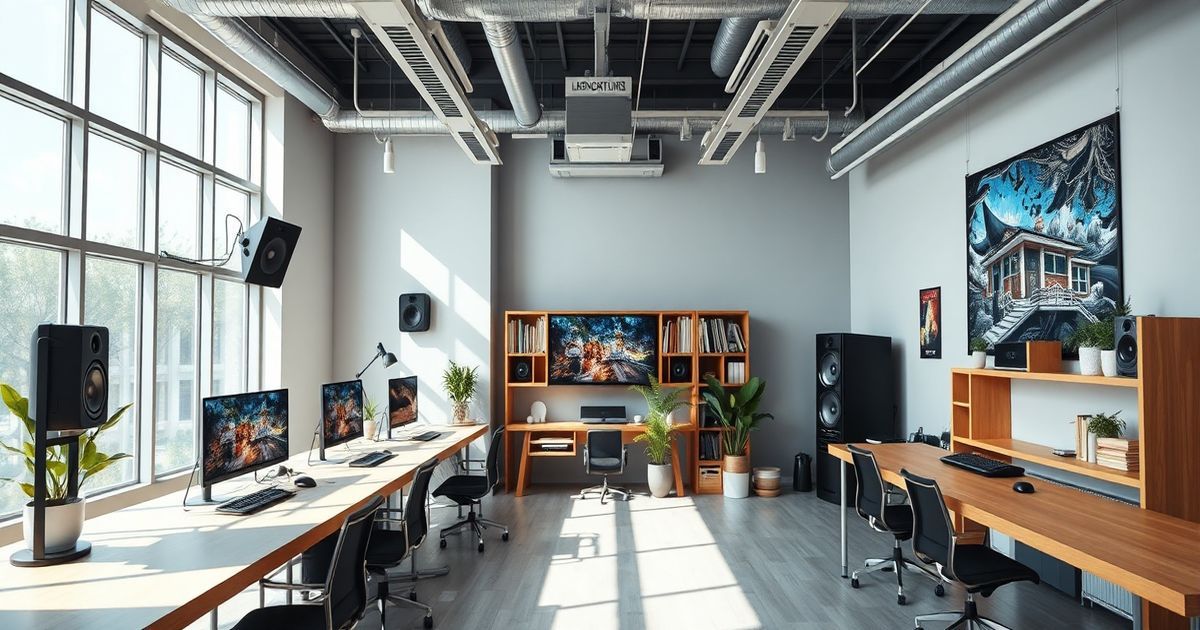
The global anime phenomenon continues its explosive growth, captivating audiences worldwide with its unique artistry and storytelling. At the heart of this cultural wave are the anime studios – the creative powerhouses transforming scripts and concepts into the visually stunning series and films we adore. These studios are not just animation factories; they are complex ecosystems of artists, directors, technicians, and visionaries working in concert. Understanding the landscape of anime studios is key to appreciating the art form’s evolution and the immense effort behind every frame. From household names producing blockbusters to smaller, innovative collectives pushing boundaries, these studios drive the industry forward, navigating technological shifts and evolving audience demands. This article delves deep into the world of anime studios, exploring their structure, major players, operational challenges, and the exciting future they are building in 2026 and beyond.
What Defines a Leading Anime Studio?
A successful anime studio transcends mere technical proficiency. While mastering the intricate processes of cel animation, digital compositing, and 3D integration is fundamental, the true differentiators lie in artistic vision, consistent quality, and the ability to foster compelling narratives. Leading studios cultivate distinct visual identities – think the lush, painterly backgrounds of Kyoto Animation, the dynamic action sequences of MAPPA, or the meticulous detail of Studio Ghibli. They invest heavily in nurturing talent, from key animators and character designers to background artists and directors, creating environments where creativity thrives. Furthermore, adaptability is crucial. The shift from traditional film to digital workflows, the integration of CGI, and the demands of global streaming platforms require studios to constantly evolve their pipelines. Studios that successfully balance artistic integrity with efficient production management, while embracing new technologies without losing their core aesthetic, consistently rise to the top. Their reputation hinges on delivering not just animation, but memorable experiences that resonate emotionally with viewers across cultures. For aspiring animators and industry observers alike, understanding these defining characteristics is essential. Resources like animecx.com offer valuable insights into studio workflows and career paths within this demanding field.
Major Players Dominating the Anime Landscape
The anime industry is dominated by several powerhouse studios, each with its own signature style and portfolio. Studio Ghibli remains an iconic institution, synonymous with unparalleled craftsmanship and profound storytelling in films like Spirited Away and My Neighbor Totoro. While their output is selective, their influence is immeasurable. Kyoto Animation (KyoAni) has garnered immense global respect for its exceptional character animation, emotional depth, and high production values in series such as Violet Evergarden and K-ON!. MAPPA has become a juggernaut, particularly known for high-octane action and visually ambitious projects like Attack on Titan (Final Season), Jujutsu Kaisen, and Chainsaw Man, often tackling complex, mature themes. Other significant names include:
- Bones: Renowned for fluid action and diverse genres (My Hero Academia, Soul Eater)
- Madhouse: A veteran studio with a vast, eclectic catalog (One Punch Man, Hunter x Hunter)
- CloverWorks: Gaining prominence for polished productions (Spy x Family, Rascal Does Not Dream series)
- Ufotable: Famous for breathtaking CGI integration and spectacular fight choreography (Demon Slayer, Fate/stay night)
These studios often collaborate or compete for major projects, shaping the visual and narrative trends of the season. Their ability to secure funding, attract top talent, and deliver consistently high-quality work under tight schedules defines their market position. According to Wikipedia, the competitive nature of the industry means studios must constantly innovate to maintain relevance and secure lucrative contracts from publishers and streaming services.
The Complex Machinery of Anime Production
Producing a single anime episode is a monumental task involving hundreds of people and intricate coordination. The process typically unfolds in distinct phases: pre-production (concept art, storyboarding, scriptwriting), production (key animation, in-betweening, background art, coloring), and post-production (compositing, editing, sound design, voice recording). Anime studios act as the central nervous system for this operation. They manage the flow of assets, ensure artistic consistency across different teams (sometimes outsourcing work to smaller studios or overseas), and adhere to punishing broadcast schedules. A major challenge is the industry’s notorious crunch culture, where animators often face extreme overtime to meet deadlines, leading to burnout. Studios are increasingly pressured to improve working conditions while maintaining output. Digital tools have streamlined some aspects, like digital painting and compositing, but the core demand for hand-drawn artistry remains high. Effective project management, clear communication channels, and robust quality control are non-negotiable for any studio aiming for success. The pressure to deliver visually stunning content quickly and cost-effectively creates a constant balancing act that defines the daily reality within these creative hubs.
Challenges and Evolving Trends in 2026
The anime studio landscape in 2026 faces significant hurdles alongside exciting opportunities. Global streaming giants like Netflix, Crunchyroll, and Disney+ are major financiers, demanding high production values and faster turnaround times, sometimes at the expense of creator autonomy or fair labor practices. The industry is grappling with how to sustainably manage workloads and compensate animators fairly, a critical issue gaining international attention. Simultaneously, technological advancements present new avenues. The use of AI for in-betweening or background generation is being explored cautiously, aiming to reduce repetitive tasks without replacing core artistic roles. Virtual production techniques, inspired by live-action filmmaking, are beginning to be tested for complex scenes. Furthermore, the rise of international co-productions is fostering cross-cultural collaborations, allowing studios to share resources and tap into wider markets. Studios that successfully navigate these challenges – prioritizing talent well-being, ethically integrating new tech, and adapting to the globalized market – will be best positioned for longevity. Understanding these dynamics is crucial for anyone involved in or passionate about the industry; exploring resources like animecx.com provides deeper dives into these evolving practices.
The Future Horizon for Anime Studios
Looking ahead, anime studios are poised for continued transformation. The push for greater international collaboration is likely to intensify, leading to more diverse storytelling perspectives and potentially new visual styles blending Eastern and Western influences. Technological integration will deepen, with AI tools becoming more sophisticated assistants for animators, handling laborious tasks to free up creative time, though the human touch in key animation and direction will remain irreplaceable. Studios will increasingly focus on building sustainable production models that value artist welfare, potentially through better project planning, diversified revenue streams (like merchandise and gaming), and stronger unionization efforts. The demand for high-quality, original content shows no sign of slowing, ensuring that skilled studios remain in high demand. As audience expectations for both visual fidelity and narrative depth grow, the studios that invest in talent development, embrace ethical production, and leverage technology thoughtfully will define the next golden age of anime. The future is bright for studios committed to the art form’s core values while innovating for the modern era.
Conclusion
The world of anime studios is a dynamic and essential engine driving the global anime phenomenon. From the artistic mastery of established giants like Studio Ghibli and Kyoto Animation to the innovative energy of newer players, these studios navigate immense creative and logistical challenges to bring captivating stories to life. Understanding their structure, the major players shaping trends, the complexities of production, and the pressing challenges they face in 2026 provides invaluable insight into the industry’s present and future. As technology evolves and global demand surges, the studios that prioritize both artistic excellence and sustainable, ethical practices will thrive. Whether you’re an aspiring animator, a dedicated fan, or simply curious about the magic behind your favorite shows, appreciating the intricate work of anime studios deepens the enjoyment of this remarkable art form. Stay informed about the latest developments and support the creators by exploring reputable industry resources and official releases. For ongoing insights into the studios and trends shaping animation, be sure to visit here regularly. The journey of anime creation is complex, but its rewards are universally cherished.