
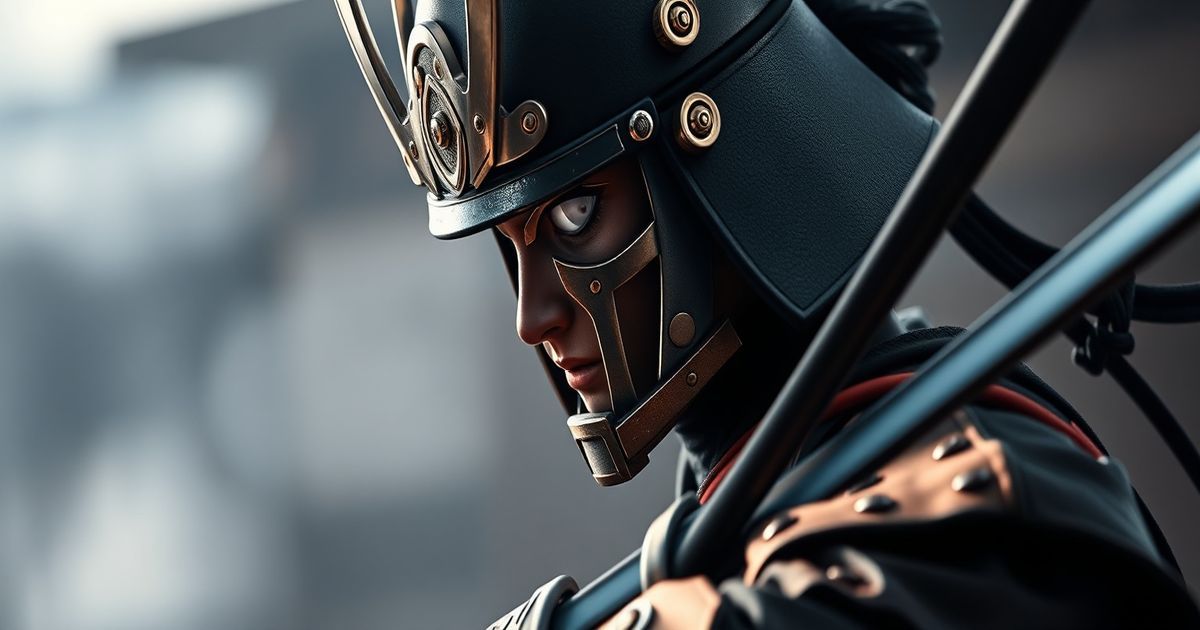
The image of the lone warrior, clad in traditional armor or modern reinterpretations, wielding a gleaming katana with unwavering resolve, is instantly recognizable across the globe. This is the anime samurai – a figure that transcends mere historical fiction to become a powerful symbol of honor, conflict, and profound human drama within Japanese animation. More than just sword-wielding heroes, anime samurai characters embody complex philosophies, grapple with moral dilemmas, and navigate intricate narratives that resonate deeply with audiences of all ages. From the serene discipline of bushido to the explosive action of sci-fi epics, the anime samurai archetype offers a unique lens through which to explore timeless themes of duty, sacrifice, and the search for meaning. This article delves into the rich tapestry of the anime samurai, examining its origins, evolution, most iconic representations, and the enduring cultural appeal that continues to captivate viewers worldwide in 2026 and beyond.
Defining the Anime Samurai Archetype
The term “samurai” historically refers to the warrior class of feudal Japan, bound by the code of bushido (the way of the warrior), emphasizing virtues like loyalty, honor, courage, and self-discipline. However, the anime samurai is a distinct evolution. While often rooted in historical settings like the Sengoku or Edo periods, anime frequently reimagines the samurai for contemporary or fantastical contexts. This adaptation allows creators to explore the core tenets of bushido through a modern or speculative lens, making the struggles and ideals relevant to today’s audience. An anime samurai isn’t necessarily a historical figure; they might be a cybernetically enhanced soldier in a dystopian future, a wandering ronin in a post-apocalyptic wasteland, or even a high school student channeling ancestral spirits. What defines them is the spirit of the samurai: a commitment to a personal code, exceptional martial prowess (often with a katana or similar weapon), and a journey marked by internal conflict and external challenges. According to Wikipedia, the historical samurai’s influence permeates Japanese culture, providing the foundational mythos that anime creators continuously reinterpret. The anime samurai archetype masterfully blends historical reverence with creative freedom, resulting in characters who are both familiar and astonishingly fresh.
Evolution: From Historical Epic to Genre Fusion
The portrayal of samurai in anime has undergone a fascinating transformation since the medium’s early days. Pioneering works like Lupin III (featuring the stoic Inspector Zenigata, though not a samurai himself, operating in a world influenced by Japanese aesthetics) and Space Battleship Yamato hinted at the potential. However, the true golden age for dedicated anime samurai narratives began in the 1980s and 1990s. Series like Ronin Warriors brought the concept to a global audience with its blend of ancient armor and futuristic settings, while Sword of the Stranger offered a more grounded, critically acclaimed historical drama. The late 1990s and 2000s saw an explosion of diversity: Rurouni Kenshin became a global phenomenon with its tale of a wandering swordsman seeking redemption, Samurai Champloo ingeniously fused Edo-period Japan with hip-hop culture, and Afro Samurai delivered a stylized, violent revenge saga. This evolution demonstrates anime’s unique ability to take a historical concept and inject it with new life through genre fusion – blending samurai action with sci-fi (Ghost in the Shell: Stand Alone Complex features cyber-samurai elements), fantasy (Demon Slayer incorporates samurai-like sword techniques and aesthetics), and even comedy (Gintama). The anime samurai is no longer confined to period pieces; it’s a versatile vessel for storytelling across the entire anime spectrum.
Iconic Anime Samurai Characters and Series
Certain characters and series have become synonymous with the anime samurai ideal, leaving an indelible mark on popular culture. These portrayals showcase the vast range of the archetype:
- Kenshin Himura (Rurouni Kenshin): The quintessential wandering ronin, burdened by his violent past as an assassin (“Hitokiri Battōsai”), seeking atonement through protecting the innocent with his signature “hiten” (flying heaven) technique. His pacifist ideals and tragic backstory define the redemptive samurai.
- Mugen (Samurai Champloo): A chaotic, anachronistic street fighter whose raw, unpredictable style clashes with the disciplined Jin, embodying the raw, untamed spirit often associated with the ronin.
- Afro (Afro Samurai): A stoic, nearly silent warrior driven solely by vengeance in a hyper-stylized, violent world, representing the darker, more brutal side of the samurai path.
- Saitama (One Punch Man – Parody): While primarily a parody, Saitama’s occasional use of a simple, almost samurai-like gi and his overwhelming, effortless power (contrasted with his boredom) playfully subverts the traditional warrior trope.
- Tanjiro Kamado (Demon Slayer): Though fighting demons, Tanjiro’s use of the Water Breathing technique, his unwavering dedication to protecting his sister, and his adherence to a strong moral code firmly place him within the samurai spirit tradition.
These characters highlight the core appeal: the intense focus on skill mastery, the weight of responsibility, the struggle between violence and peace, and the deep emotional core driving their actions. For deeper dives into character motivations and narrative structures, explore our character analysis resources.
Cultural Significance and Global Resonance
The anime samurai resonates globally for reasons that extend far beyond exciting sword fights. It taps into universal human experiences and ideals:
- The Search for Meaning: Samurai narratives often revolve around characters defining their own purpose and code in a chaotic world, a struggle deeply relatable to modern audiences.
- Moral Complexity: Rarely are anime samurai stories simple good vs. evil tales. Characters grapple with difficult choices, the consequences of violence, and the true meaning of honor, reflecting nuanced ethical dilemmas.
- Discipline and Mastery: The intense focus on training, technique, and self-improvement (budo) appeals to the human desire for growth and excellence in any field.
- Visual and Aesthetic Power: The elegance of the katana, the striking visuals of traditional and modernized armor, and the dynamic choreography of swordplay create a uniquely captivating aesthetic.
This resonance explains why the anime samurai transcends cultural barriers. Western audiences connect with the archetypal hero’s journey and moral struggles, while the specific Japanese cultural elements add depth and exoticism. The archetype serves as a compelling entry point for global audiences to engage with Japanese history and philosophy, as noted in resources like Britannica’s overview of Japanese history. The anime samurai becomes a bridge, making complex cultural concepts accessible and emotionally engaging through the universal language of compelling storytelling and stunning animation.
Why the Anime Samurai Endures: A Timeless Appeal
In an ever-changing media landscape, the anime samurai remains remarkably relevant. Its endurance stems from its inherent flexibility. The core tenets – honor, duty, skill, conflict – are timeless human concerns. Anime creators constantly find new ways to explore these themes, whether by setting the story in a cyberpunk future (Akira features biker gangs with samurai ethos), a fantasy realm (The Twelve Kingdoms), or a reimagined historical period (Vinland Saga, though Viking-focused, shares profound thematic parallels). Furthermore, the visual language of the samurai – the katana, the stance, the intensity of a duel – provides instantly recognizable and dramatically potent imagery. The anime samurai also allows for deep character exploration; their internal conflicts, often stemming from rigid codes clashing with personal desires or societal changes, mirror contemporary struggles with identity and ethics. As long as audiences seek stories about individuals striving to live by their principles against overwhelming odds, the anime samurai will continue to be a vital and vibrant force in animation. Discover how these timeless tales are evolving by checking out our latest reviews and features.
Conclusion: The Unbroken Sword
The anime samurai is far more than a niche subgenre; it is a cornerstone of anime storytelling, a dynamic archetype that has continuously evolved while retaining its powerful core. From the historical epics that honor Japan’s past to the wildly imaginative sci-fi and fantasy reinterpretations, these warrior tales offer unparalleled depth, thrilling action, and profound philosophical inquiry. They remind us of the enduring human struggle for honor, the weight of responsibility, and the possibility of redemption. As we move through 2026 and beyond, the anime samurai shows no signs of fading. New generations of creators will undoubtedly find fresh ways to wield this timeless concept, ensuring that the spirit of the sword continues to captivate, challenge, and inspire audiences around the world. Whether you’re a longtime fan or new to the genre, the journey of the anime samurai offers endless rewards. Dive into this rich tradition, explore the classics and the cutting-edge, and experience why these stories of honor and the blade remain utterly indispensable to the world of animation. Start your exploration today and find your next favorite warrior saga!