
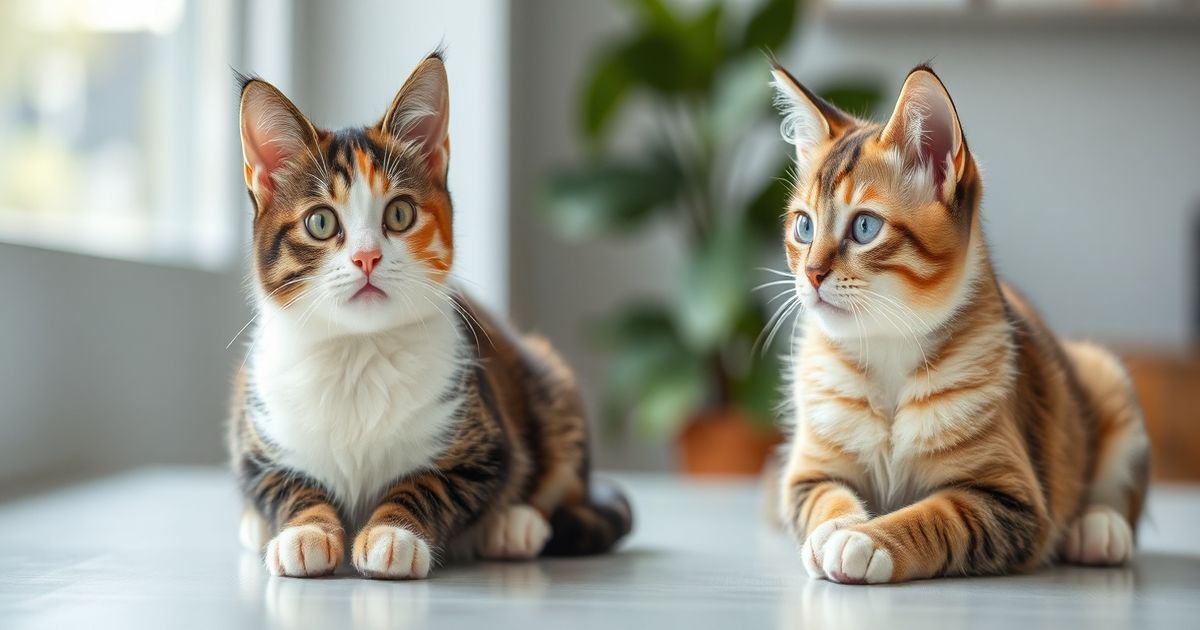
Anime cats hold a uniquely powerful place in global pop culture, transcending language barriers and captivating audiences of all ages. These stylized feline characters—ranging from heroic sidekicks to enigmatic protagonists—embody traits like loyalty, mystery, and playful mischief that resonate deeply with viewers. Their appeal lies in the perfect blend of exaggerated anime aesthetics and relatable cat behaviors, creating instantly memorable icons. Whether they’re guiding protagonists through fantastical worlds or stealing scenes with their charm, anime cats have become indispensable to storytelling in Japanese animation. This guide dives into their origins, cultural impact, and the thriving community of fans who celebrate them. Understanding anime cats means exploring how they reflect societal values, inspire creativity, and drive a multi-billion dollar merchandise industry. Let’s unravel why these digital felines continue to dominate our screens and hearts in 2026 and beyond.
What Are Anime Cats? Defining the Phenomenon
Anime cats refer specifically to cat characters created within the distinct visual and narrative framework of Japanese animation (anime). Unlike realistic depictions, these characters are defined by the exaggerated features characteristic of the anime style: large, expressive eyes, simplified facial structures, dynamic poses, and often anthropomorphized traits. They can be fully human-like in behavior and speech (like Hello Kitty, though technically a character franchise originating in anime/manga aesthetics) or retain more animalistic qualities while displaying heightened intelligence or magical abilities. The term encompasses a vast spectrum, from the mischievous Cheshire Cat-inspired figures in fantasy series to the hyper-realistic yet stylized companions in slice-of-life dramas. According to Wikipedia, the anime art style itself emerged in the early 20th century but gained global prominence post-WWII, with animal characters, particularly cats, becoming recurring motifs due to their inherent expressiveness and cultural symbolism in Japan. Anime cats aren’t just pets within stories; they often serve as crucial narrative devices—guides, comic relief, symbols of good luck (maneki-neko), or even representations of the supernatural. Their design leverages the universal appeal of cats while amplifying specific emotional or thematic elements through the anime lens, making them instantly recognizable and deeply endearing to international audiences. This unique fusion of feline charm and anime artistry is what defines the anime cats phenomenon.
Iconic Anime Cat Characters You Must Know
The world of anime is teeming with unforgettable feline characters, each contributing uniquely to the genre’s legacy. These icons often become synonymous with the shows they inhabit and spawn massive fanbases. Here are some of the most influential:
- Hello Kitty (Sanrio): While originating as a character design, Hello Kitty’s immense popularity is deeply intertwined with anime adaptations and merchandise. Her simple, mouthless design embodies kawaii (cuteness) culture and has made her a global symbol, proving the enduring power of a well-crafted anime cat persona.
- Kero (Cardcaptor Sakura): The guardian of the Clow Cards, Kero (or Keroberos) is a majestic, lion-like spirit beast who transforms into a cute, chibi-style cat for everyday life. His duality—powerful protector and lovable, gluttonous companion—exemplifies the complex roles anime cats often play.
- Mogget (Sabrina the Teenage Witch – Anime Adaptation): Though Sabrina is American, the anime adaptation featured Mogget, a sarcastic, magical cat with a penchant for tuna and sharp wit, showcasing how anime cats can bring unique flavor to international properties.
- Tama (Space Battleship Yamato 2202): A more recent standout, Tama is the loyal, telepathic cat companion to the crew, blending sci-fi elements with classic feline loyalty. Her design and role highlight the versatility of anime cats across genres.
These characters demonstrate the range possible within the anime cats archetype, from cute mascots to powerful guardians, each leaving an indelible mark on fans and influencing character design trends worldwide.
Why Anime Cats Captivate Global Audiences
The universal appeal of anime cats stems from a potent combination of psychological, cultural, and artistic factors. Psychologically, cats naturally evoke positive responses due to their soft features, playful behaviors, and perceived independence—traits amplified through anime’s expressive style. Large, emotive eyes trigger a caregiving instinct in humans, a phenomenon known as “baby schema” or “Kindchenschema,” making anime cats irresistibly cute and approachable. Culturally, cats hold significant meaning in Japan, often seen as bringers of good fortune (maneki-neko) or mystical beings (bakeneko). Anime frequently draws on these traditions, imbuing anime cats with layers of symbolism—mystery, protection, or even trickery—that resonate beyond surface-level cuteness. Artistically, the anime medium allows for unparalleled expressiveness. A simple ear twitch or tail flick can convey complex emotions impossible in live-action, making anime cats exceptionally dynamic characters. They often serve as the emotional core of a story, providing comfort, wisdom, or comic relief precisely when needed. As noted by cultural references like Britannica’s exploration of animal symbolism, cats have long been associated with independence and intuition across many cultures, themes that anime masterfully adapts and exaggerates. This deep-rooted connection, combined with the medium’s visual strengths, ensures anime cats consistently forge powerful emotional bonds with viewers, making them perennial favorites.
Anime Cats in Merchandise and Collectibles
The commercial power of anime cats is staggering, driving a massive segment of the global anime merchandise market. From plush toys and keychains to high-end figures and apparel, these feline icons are ubiquitous. Collectors actively seek out limited-edition releases featuring their favorite anime cats, with items like intricate Nendoroid figures of characters like Kero or Hello Kitty collaborations with luxury brands fetching premium prices. The appeal lies not just in the character itself, but in the emotional connection fans have developed through the series. Owning a piece of merchandise becomes a tangible link to the story and the feelings it evoked. Online marketplaces and dedicated conventions buzz with activity centered around anime cats collectibles. For enthusiasts looking to expand their collections or discover new favorites, explore our resources for curated guides and trusted vendor recommendations. The market also sees innovative integrations, such as anime cats featured in video games (like Neko Atsume), mobile apps, and even themed cafes, further blurring the lines between digital characters and real-world experiences. This commercial ecosystem underscores how deeply ingrained anime cats are in fan culture, transforming beloved characters into valuable assets that sustain the industry and fuel community engagement year after year.
How to Deepen Your Appreciation for Anime Cats
Moving beyond casual viewing to truly understand and appreciate anime cats enriches the experience significantly. Here’s how to engage more deeply:
- Analyze Their Narrative Role: Don’t just enjoy the cuteness. Ask: What purpose does this cat serve? Are they a guide (like Kero), a symbol (like the Cheshire Cat in Alice in Wonderland adaptations), comic relief, or a representation of the protagonist’s inner state? Understanding their function reveals deeper storytelling layers.
- Study the Artistry: Pay attention to how the character is designed. Notice the use of color (calico patterns often denote luck), eye shape (large eyes for innocence, narrow for mischief), and body language. Compare designs across different eras or studios to see evolving styles.
- Explore Cultural Context: Research Japanese cat folklore (bakeneko, nekomata) and how it influences character traits. Understanding concepts like kawaii (cuteness) and tsundere (initially cold, later warm) helps decode behaviors.
- Connect with the Community: Join forums, attend conventions, or participate in online fan art challenges focused on anime cats. Sharing interpretations and creations deepens your insight and appreciation. For a comprehensive database and community hub, visit here.
- Seek Out Diverse Examples: Move beyond the most famous names. Explore lesser-known series where cats play pivotal roles, such as The Cat Returns (Studio Ghibli) or Natsume’s Book of Friends (focusing on spirit cats).
By adopting these approaches, you transform passive viewing into an active exploration of art, culture, and storytelling, unlocking the full magic of anime cats.
Conclusion: The Enduring Magic of Anime Cats
Anime cats are far more than just cute side characters; they are cultural touchstones, artistic marvels, and emotional anchors within the vast universe of Japanese animation. Their journey from simple mascots to complex narrative drivers reflects the evolution and global reach of anime itself. Whether providing levity in tense moments, embodying ancient folklore, or serving as loyal companions on epic journeys, these feline figures consistently capture our imagination and affection. The thriving market for anime cats merchandise and the passionate global community surrounding them prove their lasting impact. As animation techniques advance and storytelling diversifies, the fundamental appeal of the anime cat—rooted in universal feline charm amplified by anime’s unique expressiveness—remains unshakeable. So, the next time you encounter an anime cat, take a moment to appreciate the artistry, cultural depth, and emotional resonance packed into its stylized form. Dive deeper into this captivating world, discover new favorites, and celebrate the enduring magic of these beloved digital felines. Start your journey today by exploring the incredible range of anime cats waiting to be discovered!