
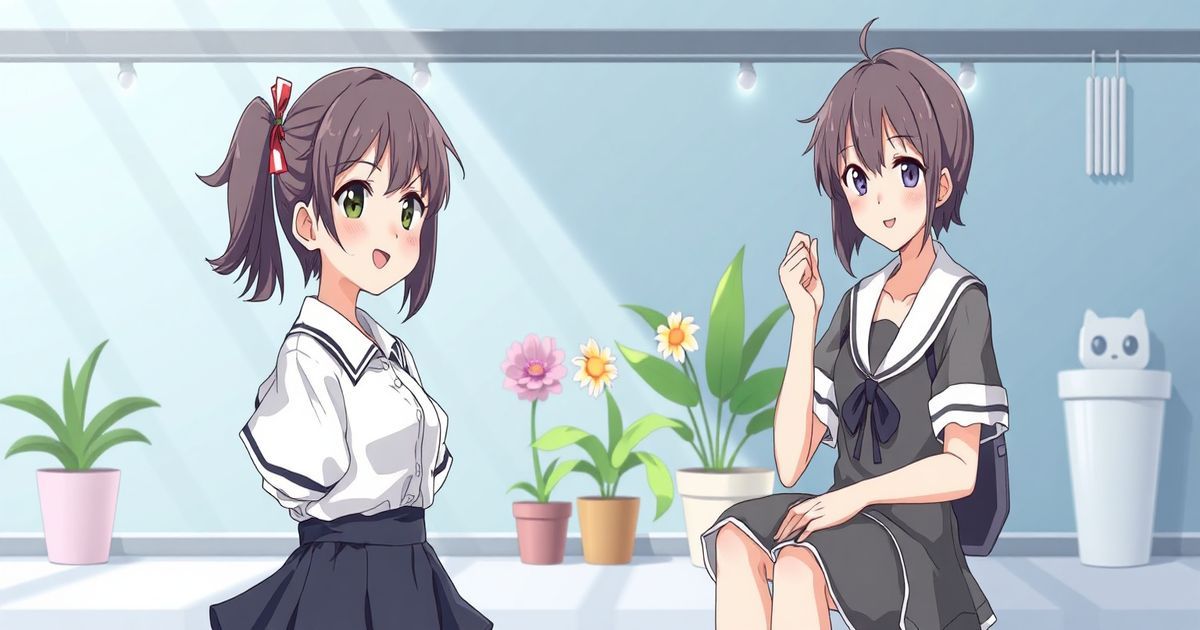
The world of animation is vast, but few styles capture global imagination like anime art styles. Originating in Japan yet embraced worldwide, these visual languages blend tradition with innovation to create emotionally resonant storytelling. From the delicate linework of vintage classics to the hyper-detailed digital creations of today, anime art styles continuously evolve while retaining their distinctive soul. Understanding these styles isn’t just for artists—it’s key to appreciating how animation shapes culture, fashion, and digital art globally. Whether you’re a budding illustrator or a seasoned fan, this guide unpacks the magic behind Japan’s most influential artistic export. Dive in to explore how anime art styles transform simple sketches into unforgettable worlds.
What Are Anime Art Styles?
Anime art styles refer to the visual conventions and techniques defining Japanese animation and comics. Unlike Western cartoons, anime prioritizes expressive character design, symbolic visual cues, and fluid motion to convey emotion and narrative depth. Core elements include exaggerated facial features (like large eyes for emotional transparency), dynamic posing, and symbolic motifs such as cherry blossoms for transience or speed lines for action. These styles aren’t monolithic—they span decades of innovation, from Osamu Tezuka’s “God of Manga” era to contemporary digital workflows. Crucially, anime art styles adapt to genre needs: a psychological thriller might use stark shadows and distorted perspectives, while a slice-of-life series employs soft watercolor aesthetics. According to Wikipedia, anime’s visual language emerged in the 1960s but drew from pre-war Japanese art traditions like ukiyo-e. Today, it’s a $27 billion industry, proving how these styles transcend cultural boundaries. For artists, mastering anime art styles means balancing technical precision with emotional storytelling—a skill that turns static frames into living, breathing experiences.
The Evolution of Anime Art Styles
Anime’s visual journey began in the 1910s with experimental short films, but it truly crystallized in the 1960s when Tezuka’s Astro Boy established cost-saving techniques like limited animation and expressive close-ups. The 1980s “Golden Age” saw styles diversify: Akira (1988) showcased hyper-detailed cyberpunk realism, while Studio Ghibli’s My Neighbor Totoro (1988) embraced painterly, nature-focused aesthetics. The digital revolution of the 2000s accelerated experimentation—Paprika (2006) blended 2D and 3D seamlessly, and Attack on Titan (2013) used gritty, angular designs to mirror its dystopian themes. Today, streaming platforms drive further innovation, with series like Demon Slayer (2019) merging traditional ink wash effects with digital vibrancy. This evolution reflects societal shifts too: post-war optimism birthed hopeful shonen adventures, while modern anxieties fuel darker, more complex visuals. As noted by Britannica, anime’s adaptability ensures its styles remain culturally relevant, constantly absorbing global influences while retaining Japanese identity. For enthusiasts, studying this timeline reveals how technology and society shape art—making anime art styles a living, breathing chronicle of human creativity.
Key Characteristics of Anime Art Styles
What makes anime art styles instantly recognizable? Several signature traits create their unique visual language. First, exaggerated proportions—large, luminous eyes dominate character faces, often reflecting emotions through color shifts (e.g., blue eyes for sadness). Hair is another focal point, with gravity-defying spikes or flowing strands symbolizing personality traits. Second, dynamic motion is conveyed through speed lines, impact frames, and “sakuga” moments (high-budget action sequences). Third, symbolic visual metaphors replace literal depictions: sweat drops for nervousness, cherry blossoms for fleeting beauty, or chibi expressions for comedic relief. These elements aren’t arbitrary—they stem from anime’s roots in Japanese storytelling traditions like kamishibai (street storytelling). Additionally, color psychology plays a vital role; warm palettes signal hope, while desaturated tones evoke melancholy. Artists also leverage negative space to focus attention on emotional beats, a technique borrowed from Zen aesthetics. For creators, mastering these characteristics means understanding how minimal details—like a single tear or clenched fist—can convey volumes. Explore advanced techniques and tutorials on our site to refine your approach to these foundational elements.
- Facial Expressions: Simplified yet potent, using minimal lines to show complex emotions.
- Body Language: Exaggerated poses (e.g., “power stances”) emphasize action or determination.
- Background Art: Often painterly and atmospheric, contrasting with detailed characters to enhance mood.
- Symbolic Motifs: Recurring imagery (e.g., sakura, lightning) that adds narrative layers without dialogue.
Popular Sub-Styles in Anime Art
Within the broad umbrella of anime art styles, distinct sub-genres have emerged, each with visual signatures. Shonen (targeted at young boys) favors bold, angular designs with vibrant colors—think Dragon Ball Z’s muscular heroes and explosive energy effects. Shojo (for girls) leans into delicate features, floral motifs, and soft pastels, as seen in Sailor Moon’s ethereal transformations. Seinen (adult men) often employs grittier, realistic proportions and muted palettes, exemplified by Berserk’s dark, detailed brutality. Meanwhile, Josei (adult women) focuses on nuanced expressions and relatable settings, like Nana’s urban romance. Beyond demographics, mecha anime (Gundam) prioritizes intricate robot designs with technical schematics, while iyashikei (“healing”) styles (Yokohama Kaidashi Kikou) use serene watercolors to evoke tranquility. Even within these categories, studios develop house styles: Kyoto Animation’s luminous, detailed backgrounds differ sharply from MAPPA’s dynamic, high-contrast action sequences. For artists, experimenting with these sub-styles builds versatility—whether you’re crafting a shojo heroine’s flowing gown or a seinen protagonist’s weathered face. Visit our resources page for style-specific guides and inspiration.
Global Influence and Adaptation
Anime’s visual language has reshaped global art far beyond Japan. Western studios now integrate anime art styles into projects like Avatar: The Last Airbender, which blends anime’s expressive characters with American storytelling. Video games (Genshin Impact) and webcomics (Lore Olympus) adopt anime’s signature eyes and motion techniques, proving its cross-medium appeal. Social media amplifies this: TikTok artists use anime filters to animate selfies, while Instagram illustrators merge anime aesthetics with street art. Crucially, this influence isn’t one-way—Japanese creators increasingly draw from global trends, like Cyberpunk: Edgerunners fusing anime with Western cyberpunk grit. Cultural exchange has also sparked debates about appropriation versus appreciation, urging artists to engage respectfully with roots. As National Geographic notes, anime’s rise reflects a broader shift toward visual storytelling in the digital age. For creators, this means anime art styles offer a universal toolkit—one that communicates across languages and cultures. To stay updated on these cross-cultural innovations, check out our website for trend analyses and artist spotlights.
Conclusion
Anime art styles are far more than a visual trend—they’re a dynamic language of emotion, culture, and innovation. From their historical roots to their digital future, these styles demonstrate how art evolves alongside technology and society. Whether you’re analyzing the symbolism in a Ghibli film or sketching your first chibi character, understanding anime art styles unlocks deeper connections to stories and creators worldwide. As animation continues to blur cultural lines, the versatility of anime art styles ensures their relevance for generations. Ready to explore further? Dive into tutorials, style comparisons, and artist interviews on our platform to master these timeless techniques. Your journey into the heart of anime begins now—embrace the art, and let your creativity soar.