
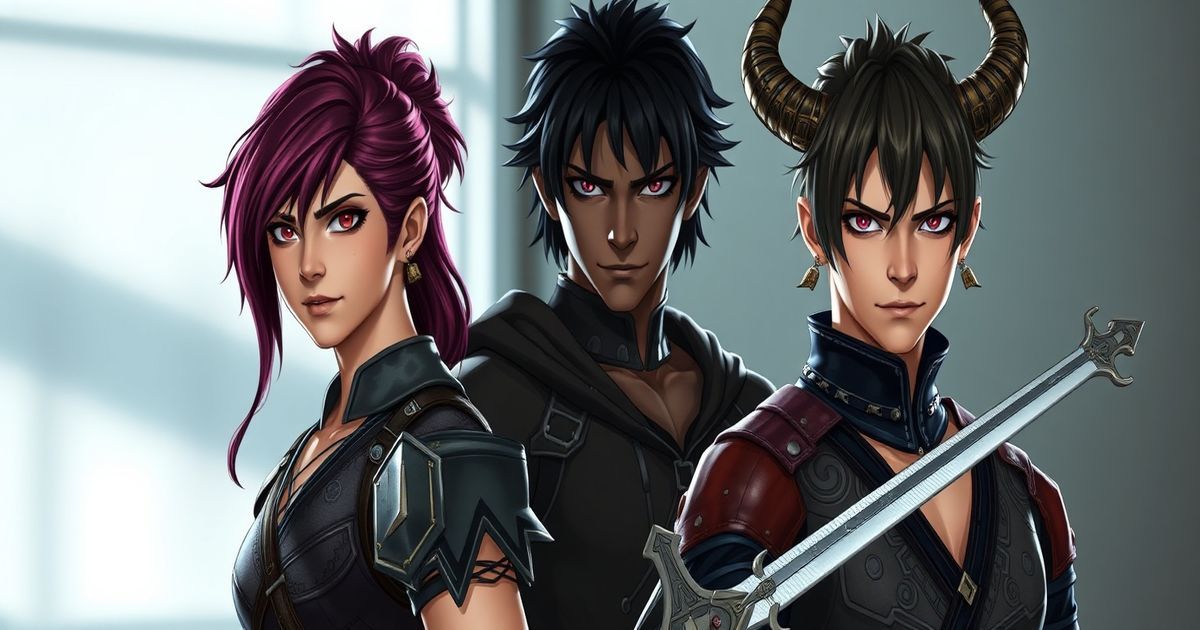
Demon Slayer: Kimetsu no Yaiba has captivated global audiences with its breathtaking animation, emotional storytelling, and unforgettable cast. Since its debut, the series has redefined modern anime, blending intense action with profound character depth. At its heart lies a diverse ensemble of demon slayer characters who drive the narrative forward—each with unique abilities, tragic backstories, and compelling arcs. Whether you’re a longtime fan or new to the world of Taisho-era Japan, understanding these characters is key to appreciating the series’ magic. This guide dives deep into the heroes, villains, and supporting players that make Demon Slayer a cultural phenomenon. We’ll explore their powers, motivations, and why they resonate so powerfully with viewers worldwide. According to Wikipedia, the series has sold over 150 million manga copies, proving its massive appeal. Let’s unravel what makes these demon slayer characters truly extraordinary.
The Core Demon Slayer Characters: Heroes of the Corps
The Hashira (Pillars) and main protagonists form the backbone of the Demon Slayer Corps, each embodying distinct combat styles and personal struggles. Tanjiro Kamado stands as the heart of the story—a compassionate boy transformed into a demon slayer after his family’s massacre. His unwavering empathy, even toward demons, sets him apart. Equipped with Water Breathing techniques and later Hinokami Kagura, Tanjiro’s journey is defined by his quest to cure his sister Nezuko. Speaking of Nezuko Kamado, her transformation into a demon while retaining humanity challenges the series’ moral boundaries. Her childlike innocence and fierce protectiveness make her a fan favorite. Then there’s Zenitsu Agatsuma, whose cowardice masks lightning-fast Thunder Breathing skills when unconscious—a duality that adds humor and depth. Inosuke Hashibira, with his boar-headed mask and dual-wielding swords, brings raw aggression and wild Boar Breathing techniques. Together, this core quartet exemplifies the series’ theme: strength forged through trauma and love. Their dynamic evolves from reluctant allies to a found family, making their battles against demons emotionally charged. For newcomers, grasping these demon slayer characters is essential to understanding the Corps’ mission. Each hero’s breathing style reflects their personality, creating a seamless blend of character development and combat choreography that keeps audiences hooked.
Supporting Characters: Pillars and Allies
Beyond the main trio, the Hashira and supporting allies enrich the narrative with their specialized skills and tragic pasts. The nine Pillars represent the elite warriors of the Demon Slayer Corps, each mastering a unique Breathing Style. Giyu Tomioka, the Water Hashira who saved Tanjiro, embodies stoic professionalism but hides deep guilt over past failures. Shinobu Kocho, the Insect Hashira, uses poison-based techniques and a serene demeanor to mask her vengeful quest for her sister’s killer. Kyojuro Rengoku, the Flame Hashira, radiates infectious enthusiasm and unwavering duty, becoming a mentor figure during the Mugen Train arc. Lesser-known but vital allies like Tengen Uzui (Sound Hashira) and Mitsuri Kanroji (Love Hashira) add layers of humor and emotional complexity. Their interactions with Tanjiro’s group highlight themes of camaraderie and sacrifice. Additionally, characters like Sakonji Urokodaki (Tanjiro’s mentor) and Kagaya Ubuyashiki (the Corps’ leader) provide crucial guidance and moral grounding. These supporting demon slayer characters aren’t just background players—they’re integral to the story’s emotional weight. Their backstories often involve loss and redemption, mirroring Tanjiro’s journey. For deeper analysis of their roles, explore our resources on character dynamics. Without these pillars, the Corps would crumble, making their collective strength a cornerstone of the series’ success.
Iconic Villains: The Demon Threat
Demon Slayer’s antagonists are as compelling as its heroes, with Muzan Kibutsuji’s Twelve Kizuki (Demon Moons) serving as formidable foes. Each demon possesses unique Blood Demon Arts and tragic origins, blurring the line between villain and victim. Muzan Kibutsuji, the progenitor of all demons, embodies pure malice—a centuries-old entity obsessed with immortality and eradicating the sun’s weakness. His cold intellect and shape-shifting abilities make him a terrifying final boss. Among the Upper Moons, Akaza stands out with his explosive strength and twisted honor code, while Doma’s ice-based powers and cult-like charisma create chilling contrast. Lower Moons like Susamaru and Yahaba introduce early challenges with their arrow-manipulating abilities. What elevates these villains is their humanity—many were once victims themselves, corrupted by Muzan’s manipulations. Nezuko’s own struggle against her demon nature adds nuance, proving that demons aren’t inherently evil. This complexity forces viewers to question morality, a rarity in shonen anime. The battles against these foes showcase the Corps’ growth, as each victory comes at great cost. As explored in folklore traditions, demons often symbolize societal fears, and Demon Slayer modernizes this by tying their powers to human emotions. Here’s a quick rundown of the most memorable antagonists:
- Muzan Kibutsuji: The ultimate villain, driven by fear of death and disdain for humanity.
- Akaza: Upper Moon 3, whose strength and tragic past make him a fan-favorite antagonist.
- Doma: Upper Moon 2, whose ice powers and emotional vampirism create psychological horror.
- Gyutaro & Daki: Siblings whose twisted bond and blood techniques challenge Tanjiro’s empathy.
These villains aren’t just obstacles—they’re catalysts for the heroes’ evolution, making every confrontation pivotal.
Character Development and Fan Impact
One of Demon Slayer’s greatest strengths is its commitment to character growth, transforming simple archetypes into multidimensional figures. Tanjiro’s journey from a grieving brother to a symbol of hope exemplifies this, as his empathy evolves into strategic wisdom without losing his core kindness. Nezuko’s silent resilience—fighting her demon instincts to protect humans—adds emotional depth rarely seen in anime sidekicks. Zenitsu and Inosuke undergo dramatic arcs too: Zenitsu confronts his fears to become a confident warrior, while Inosuke learns trust and teamwork. Even villains like Muzan reveal layers, showing vulnerability in his final moments. This depth resonates globally, sparking fan theories, cosplay, and community discussions. Social media platforms buzz with debates over character rankings, breathing styles, and moral dilemmas. The series also tackles heavy themes—trauma, loss, forgiveness—through its characters, making their struggles relatable. For instance, Rengoku’s sacrifice in Mugen Train left fans heartbroken yet inspired, highlighting how loss fuels purpose. Such moments underscore why demon slayer characters transcend typical shonen tropes. They’re not just warriors; they’re mirrors reflecting our own battles with adversity. To see how these arcs unfold visually, check out our website for exclusive art breakdowns. Ultimately, it’s this blend of action and humanity that cements Demon Slayer’s legacy.
Why These Characters Matter in Modern Anime
Demon Slayer’s cast redefined what anime characters can achieve, setting new standards for storytelling and audience connection. Unlike older series where heroes often follow predictable paths, Demon Slayer’s characters thrive on contradictions: Tanjiro’s kindness amid brutality, Zenitsu’s fear masking courage, and Nezuko’s silence speaking volumes. This complexity attracts diverse viewers, from teens to adults, proving that well-crafted characters transcend age barriers. The series also champions emotional intelligence—Tanjiro’s ability to understand demons’ pain humanizes even the most monstrous foes. Such depth has influenced newer anime, encouraging creators to prioritize character-driven narratives over pure action. Moreover, the global fandom’s engagement—through fan art, memes, and cosplay—demonstrates how these demon slayer characters foster community. They’ve become cultural touchstones, referenced in everything from music videos to academic discussions on trauma in media. As anime continues evolving, Demon Slayer’s legacy lies in proving that characters are the heart of any great story. Their journeys remind us that strength isn’t just physical—it’s forged in empathy, resilience, and the courage to face darkness. For fans seeking to explore this world further, the characters offer endless inspiration.
Conclusion: The Enduring Legacy of Demon Slayer Characters
In summary, Demon Slayer’s brilliance lies in its unforgettable demon slayer characters, who blend heart-pounding action with profound emotional depth. From Tanjiro’s unwavering compassion to Muzan’s chilling ambition, each figure contributes to a narrative that resonates across generations. Their struggles with identity, loss, and redemption make the series more than just a battle shonen—it’s a timeless exploration of humanity. As we look ahead, these characters will continue inspiring new fans and creators, cementing Demon Slayer’s place in anime history. Whether you’re revisiting the series or discovering it for the first time, take a moment to appreciate the artistry behind these iconic roles. Their stories remind us that even in darkness, hope and empathy can shine brightest. Ready to dive deeper? Visit here for exclusive character analyses, fan theories, and the latest Demon Slayer updates. Don’t just watch the journey—be part of it!