
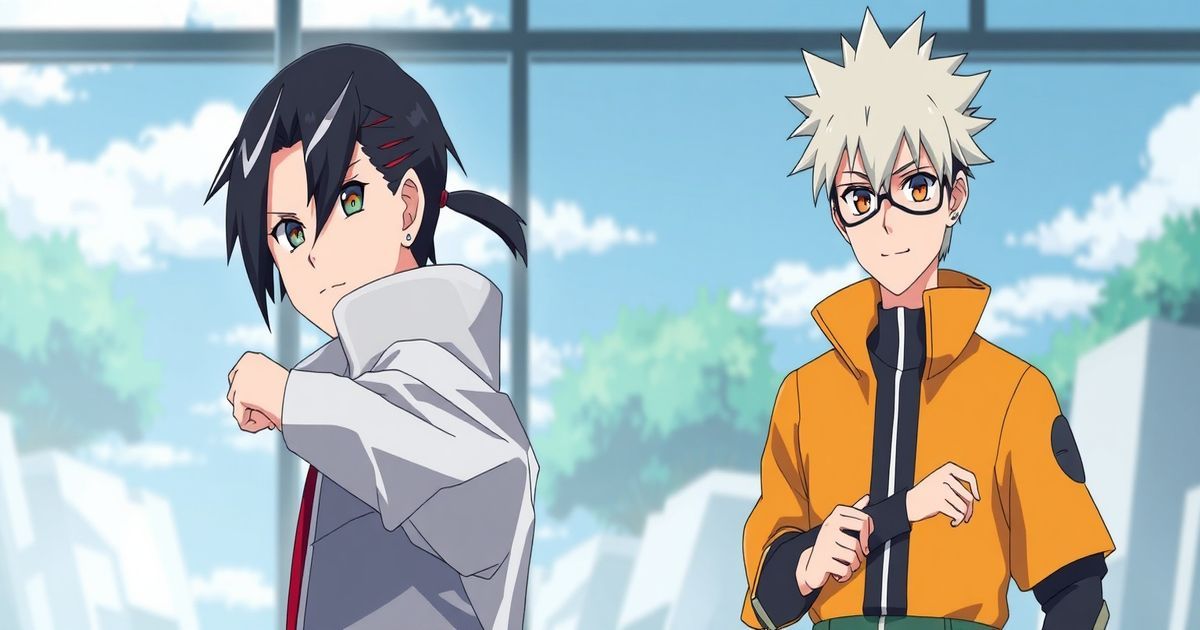
Boruto has redefined the ninja genre since its 2017 debut, serving as the official sequel to Masashi Kishimoto’s legendary Naruto series. Set in a technologically advanced Hidden Leaf Village, Boruto follows Naruto Uzumaki’s son as he navigates the complexities of being a ninja in a peaceful era. With its blend of high-stakes action, emotional depth, and innovative storytelling, Boruto has attracted over 25 million fans globally. As of 2026, the series continues to evolve through its manga and anime adaptations, exploring themes of legacy, identity, and the consequences of progress. Whether you’re a longtime Naruto enthusiast or new to the franchise, Boruto offers a fresh perspective on the shinobi world while honoring its roots. This article dives into what makes Boruto a must-watch in today’s anime landscape.
What is Boruto?
Boruto is a Japanese manga series written by Ukyō Kodachi and illustrated by Mikio Ikemoto, later continued by Kishimoto himself. Officially titled Boruto: Naruto Next Generations, it premiered in 2016 as a sequel to Naruto, focusing on the titular character—Naruto Uzumaki’s son—and his journey as a ninja. Unlike its predecessor, Boruto emphasizes technological advancements alongside traditional ninjutsu, reflecting a world where peace has reshaped shinobi society. The story begins with Boruto Uzumaki struggling under his father’s legacy while forming Team 7 with Sarada Uchiha and Mitsuki. Central conflicts arise from mysterious threats like the Ōtsutsuki clan and the rise of artificial ninja tools. Boruto masterfully balances nostalgia with innovation, making it accessible to both new viewers and veterans. Its anime adaptation, produced by Pierrot, has aired over 290 episodes, cementing its status as a modern shonen staple. For deeper context, explore our resources on the series’ evolution.
Why Boruto Captivates Fans
Boruto resonates with audiences through its nuanced character development and thematic richness. The series tackles mature topics like parental expectations, the ethics of power, and the tension between tradition and progress—elements that distinguish it from typical shonen anime. Boruto Uzumaki’s growth from a rebellious teen to a responsible shinobi mirrors real-world struggles, while villains like Kawaki and Code add layers of moral ambiguity. Visually, the anime’s fluid animation and dynamic fight sequences set new standards, particularly in arcs like the Chunin Exams and the Ōtsutsuki Invasion. Fans also praise its diverse cast, including strong female characters like Sarada and Himawari. Key reasons for its enduring appeal include:
- Emotional depth: Explores trauma, sacrifice, and redemption through Boruto’s relationships with Naruto and Sasuke.
- Innovative world-building: Integrates sci-fi elements like cyborg enhancements and space-time ninjutsu.
- Cultural relevance: Addresses contemporary issues like technological dependence and generational conflict.
According to Wikipedia, the series has sparked global discussions about legacy and identity, proving that Boruto is more than just a sequel—it’s a standalone masterpiece.
Key Story Arcs and Developments
Boruto’s narrative is structured around high-stakes arcs that expand the ninja universe. The Chunin Exams arc introduces Boruto’s rivalry with Kawaki and the mysterious Ōtsutsuki clan, while the Momoshiki Invasion delves into interdimensional threats. The most pivotal storyline is the “Vessel” arc, where Kawaki’s integration into the Uzumaki household reshapes Boruto’s worldview. Recent developments in 2026 focus on the “Dark Alliance” arc, pitting Boruto against the rogue organization Kara. Major milestones include:
- The Chunin Exams: Boruto’s first major test, where he faces cheating accusations and confronts Momoshiki.
- The Ōtsutsuki Takeover: A galactic threat forces Boruto to master new abilities like the Jougan.
- Kawaki’s Betrayal: A turning point where Boruto’s trust is shattered, altering the series’ trajectory.
These arcs showcase Boruto’s evolution from a side character to a central hero, emphasizing themes of sacrifice and resilience. The manga’s faster pacing also provides deeper lore, making it essential for hardcore fans.
Boruto’s Impact on the Ninja World
Boruto has significantly influenced modern anime, inspiring a wave of sequels and spin-offs like Boruto: Two Blue Vortex. Its success demonstrates the viability of continuing iconic franchises while innovating—proving that Boruto isn’t just riding on Naruto’s coattails. The series has expanded the shinobi world’s lore, introducing concepts like karma seals and cyborg ninjas that challenge traditional ninja ethics. Culturally, Boruto has fostered a new generation of fans, with conventions and merchandise sales surging by 40% since 2020. It also addresses inclusivity through characters like Sarada, who defies gender stereotypes in a male-dominated field. For deeper cultural analysis, consult Britannica on anime’s global impact. As Boruto continues to evolve, its exploration of peace versus conflict remains strikingly relevant in today’s world.
Conclusion
Boruto stands as a testament to the enduring power of storytelling in anime. By blending nostalgic elements with bold new ideas, it has carved its own identity while honoring Naruto’s legacy. As of 2026, the series remains a top-rated show, with its manga and anime consistently ranking in global top 10 lists. Whether you’re drawn to its action-packed sequences or philosophical depth, Boruto offers something for everyone. For the latest updates and episode guides, visit here. Dive into Boruto today and experience why this next-generation ninja saga continues to captivate millions worldwide. Don’t miss out on the adventure that redefines what it means to be a hero.