
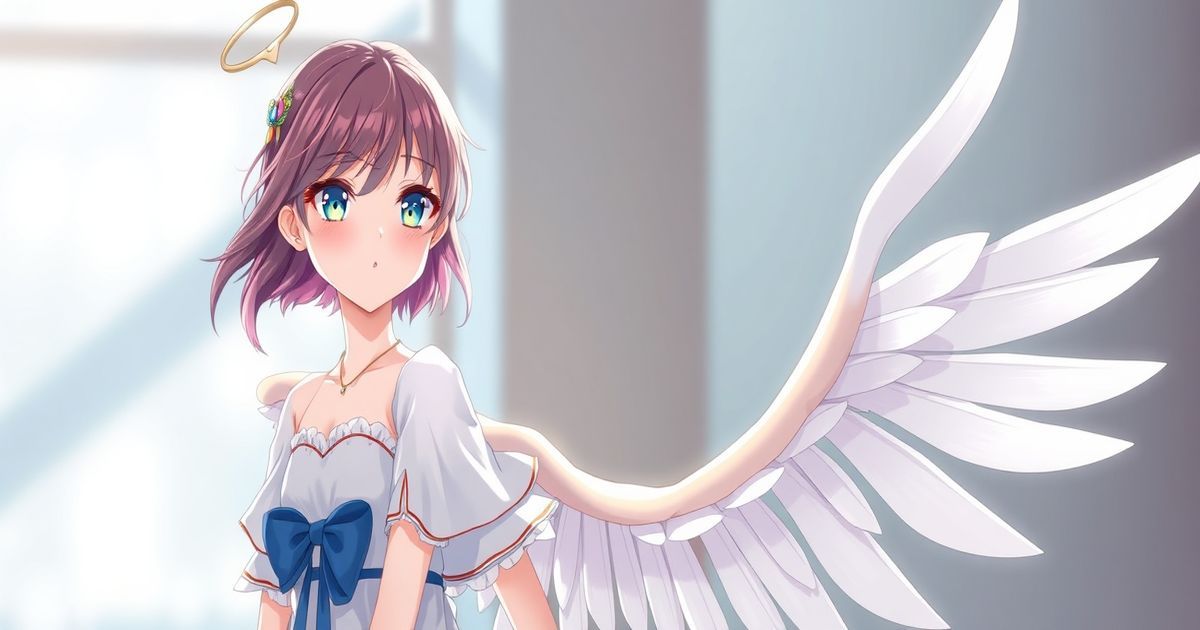
The concept of celestial beings has fascinated humanity for centuries, but when Japanese animation reimagines these divine entities, something truly magical happens. Anime angel characters transcend traditional religious depictions, blending ethereal beauty with complex narratives that resonate across cultures. These winged guardians, messengers, and warriors populate countless series, offering more than just visual splendor—they embody hope, redemption, and the eternal struggle between light and darkness. Whether serving as benevolent guides or morally ambiguous forces, anime angel figures have become cultural touchstones that reflect both ancient mythology and contemporary storytelling. In this comprehensive exploration, we’ll unravel how these celestial beings evolved from simple archetypes to multifaceted characters that define modern anime. Prepare to journey through halos, wings, and profound symbolism as we decode what makes the anime angel phenomenon so universally compelling.
What is an Anime Angel?
An anime angel refers to a celestial being depicted in Japanese animation that draws inspiration from religious, mythological, or original fantasy concepts of angels. Unlike Western portrayals that often emphasize strict religious orthodoxy, anime angels frequently undergo radical reinterpretation. They might possess intricate mechanical wings, embody abstract concepts like justice or time, or even serve as antagonists challenging divine order. According to Wikipedia, angels originate as spiritual messengers in Abrahamic traditions, but anime transforms these figures into dynamic characters with human flaws and complex motivations. Key characteristics include luminous auras, symbolic color palettes (often white, gold, or silver), and narrative roles as protectors, guides, or catalysts for human growth. Crucially, anime angel designs prioritize emotional expressiveness—their wings might shrink when vulnerable or glow intensely during moments of sacrifice. This flexibility allows creators to explore philosophical questions about morality, free will, and the nature of divinity while maintaining visual poetry. The term “anime angel” specifically denotes this culturally distinct interpretation, separate from religious depictions or Western animated angels.
The Evolution of Anime Angels in Japanese Animation
The portrayal of angels in anime has undergone remarkable transformation since the medium’s early days. In the 1960s-70s, series like Astro Boy featured angelic beings as simplistic symbols of purity, often appearing in dream sequences or moral allegories. By the 1980s, works like Fist of the North Star introduced darker, more complex celestial figures—angels became warriors entangled in cosmic conflicts, reflecting Japan’s post-war societal introspection. The 1990s marked a turning point with Neon Genesis Evangelion, where angels were reimagined as terrifying extraterrestrial entities challenging human existence, subverting expectations of benevolent guardians. This era emphasized psychological depth, with angels representing internal struggles rather than external threats. Today’s anime angel characters continue this evolution, embracing diversity in gender, morality, and design. Modern examples like Sword Art Online‘s Yui or Demon Slayer‘s Muzan Kibutsuji (as a fallen angel archetype) showcase how these beings now drive nuanced narratives about identity and redemption. This progression mirrors anime’s broader maturation—from children’s entertainment to a sophisticated art form capable of exploring existential themes through celestial metaphors.
Why Anime Angels Resonate with Global Audiences
Anime angels captivate international viewers through universal emotional cores that transcend cultural barriers. Their narratives often center on relatable human experiences: the search for purpose, the burden of power, or the desire for connection. As explained by Britannica, angels across mythologies serve as intermediaries between mortals and the divine—a role anime adapts to explore contemporary issues like mental health or social alienation. For instance, an anime angel might embody a character’s inner hope during depression, making abstract concepts tangible. Visually, their designs leverage anime’s signature expressiveness; fluttering wings or shifting halos convey emotions words cannot, creating instant empathy. Additionally, anime angels frequently challenge traditional gender norms—male angels like Fairy Tail‘s Angel or non-binary beings in Cells at Work! expand representation. This inclusivity, combined with stunning animation that brings celestial battles to life, explains their cross-cultural appeal. For deeper insights into character psychology, explore our resources. Ultimately, these beings resonate because they mirror our shared longing for meaning—whether as symbols of comfort or catalysts for change.
Iconic Anime Angels You Should Know
Certain anime angel characters have achieved legendary status through unforgettable storytelling and design. Here are five must-know examples:
- Sailor Moon’s Sailor Moon (as Neo-Queen Serenity): Transforms into a celestial guardian with angelic wings, symbolizing hope and feminine power. Her evolution from clumsy schoolgirl to cosmic protector redefined magical girl tropes.
- Neon Genesis Evangelion’s Angels: These biomechanical horrors (like Sachiel or Ramiel) represent existential dread, using angelic nomenclature to subvert religious expectations and explore trauma.
- Fairy Tail’s Angel: A fallen angel who becomes an anti-hero, blending tragic backstory with dark humor. Her mechanical wings and moral ambiguity showcase anime’s complex character writing.
- Sword Art Online’s Yui: An AI child manifesting as an angelic figure, embodying pure love and digital spirituality. Her role highlights technology’s intersection with emotional healing.
- D.Gray-man’s Allen Walker: Though human, his “Innocence” weapon manifests as angelic wings, representing his internal battle between compassion and vengeance.
These characters demonstrate the anime angel archetype’s versatility—from pure symbolism to narrative linchpins. Each leverages celestial imagery to deepen thematic resonance, proving that angels in anime are never merely decorative.
How to Create Your Own Anime Angel Character
Designing a compelling anime angel requires balancing tradition with innovation. Follow these steps to craft a memorable celestial being:
- Define Core Symbolism: Decide what your angel represents—hope, justice, or perhaps forgotten memories. This theme should inform visual elements; e.g., an angel of sorrow might have tattered, rain-soaked wings.
- Subvert Expectations: Avoid clichés by mixing traits. Give your angel unconventional wings (crystal, shadow, or origami-style) or make their halo asymmetrical to暗示 moral complexity.
- Integrate Cultural Motifs: Blend Shinto, Buddhist, or global mythological elements. A Japanese tennin (celestial maiden) inspiration could yield flowing robes and paper-wing designs.
- Establish Narrative Role: Determine if they’re a guide, antagonist, or tragic figure. An anime angel serving as a villain (like Code Geass‘s V.V.) creates instant intrigue through role reversal.
- Prioritize Expressiveness: Anime thrives on exaggerated emotions. Ensure wings/halos react to mood—crumbling when defeated or radiating light during epiphanies.
Remember, the most iconic anime angel characters feel human despite their divinity. Study classics like RahXephon‘s Ayato or Blue Exorcist‘s Mephisto for inspiration. For practical design tutorials, check out our website.
The Enduring Magic of Anime Angels
From ancient mythologies to cutting-edge animation, angels have always bridged the earthly and divine—but the anime angel reimagines this timeless concept for a new generation. These characters endure because they fulfill a profound human need: to visualize hope, confront darkness, and believe in forces greater than ourselves. Whether as ethereal guides in Your Lie in April or cosmic threats in Evangelion, they transform abstract ideals into visceral experiences. As anime continues evolving, so will its celestial beings, adapting to reflect contemporary struggles while retaining their core magic. We’ve explored their historical journey, psychological depth, and creative potential—but the true wonder lies in how each viewer connects with these winged visions. What does the anime angel mean to you? Share your favorite celestial characters with our community, and let’s celebrate the art that lifts us beyond the ordinary. To discover more about anime’s most inspiring beings, visit here and join the conversation.