
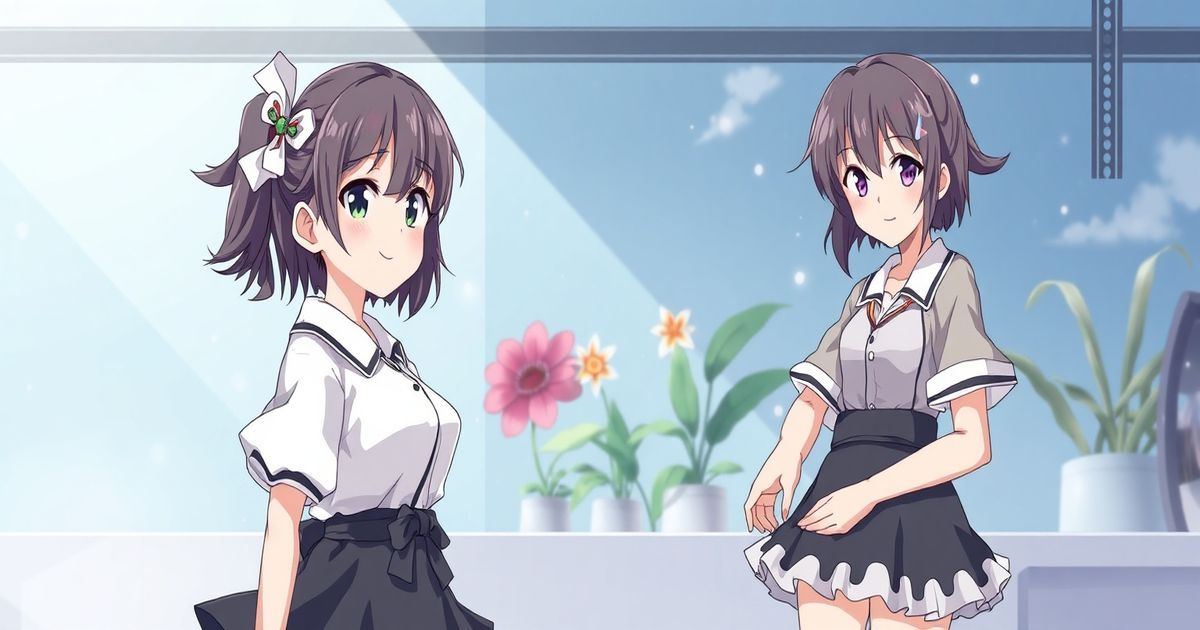
Anime art has transcended its origins to become a dominant force in global visual culture, captivating audiences across generations and continents. More than just a cartoon style, it represents a sophisticated artistic language characterized by expressive characters, dynamic compositions, and emotionally resonant storytelling. From the hand-drawn classics of Studio Ghibli to the cutting-edge digital productions of modern studios, anime art continues to evolve while retaining its distinctive visual identity. This article delves into the rich history, defining features, creative techniques, and profound cultural impact of this beloved art form, offering both newcomers and seasoned fans a deeper appreciation for its enduring appeal. Understanding anime art is key to grasping contemporary visual storytelling.
Defining the Anime Art Aesthetic
Anime art refers specifically to the distinctive visual style originating from Japanese animation and comics (manga). It’s crucial to distinguish it from Western animation, as anime art employs unique conventions developed over decades. The style is instantly recognizable through several key visual traits: large, expressive eyes that convey nuanced emotions; simplified yet dynamic facial features; exaggerated hair designs; and a deliberate use of limited color palettes for emotional effect. According to Wikipedia, the term “anime” itself is a Japanese abbreviation of “animation,” but globally, it signifies this specific aesthetic tradition. This visual language prioritizes emotional storytelling over strict realism, allowing artists to amplify feelings and reactions in ways that resonate powerfully with audiences. The flexibility of anime art enables it to span diverse genres – from the hyper-realistic mecha designs of Gundam to the soft, painterly landscapes of Spirited Away. Its adaptability is a core strength, permitting infinite creative expression while maintaining cohesive stylistic elements that fans instantly identify.
A Journey Through Anime Art History
The roots of anime art trace back to early 20th-century Japanese animation pioneers like Ōten Shimokawa and Jun’ichi Kōuchi, but it was Osamu Tezuka, the “God of Manga,” who truly codified the modern style in the 1960s. Tezuka’s work on Astro Boy established foundational techniques such as the “star system” for character eyes and cinematic panel layouts that emphasized motion. The 1970s and 80s saw explosive growth with studios like Sunrise and Gainax pushing technical boundaries in mecha and sci-fi genres. The 1990s brought global recognition through works like Akira and Sailor Moon, showcasing anime art‘s potential for complex narratives and diverse visual experimentation. The digital revolution of the 2000s transformed production, with tools like Toon Boom and Adobe Animate enabling smoother animation and richer effects. Today, studios like MAPPA and Ufotable blend traditional hand-drawn techniques with advanced CGI, proving anime art remains a dynamic, evolving medium constantly redefining its possibilities while honoring its heritage.
Signature Characteristics of Anime Art
What makes anime art instantly identifiable? Several core elements define its visual language:
- Exaggerated Expressions: Characters display emotions through highly stylized facial features – sweat drops for nervousness, chibi reactions for comedic effect, or dramatic shadowing for intensity.
- Dynamic Angles and Motion Lines: Scenes often use dramatic camera perspectives (dutch angles, extreme close-ups) combined with speed lines to convey action and energy.
- Symbolic Visual Cues: Abstract elements like cherry blossoms for transience, sparkling stars for joy, or dark clouds for sadness convey meaning without dialogue.
- Stylized Anatomy: While proportions vary by genre, anime art typically features elongated limbs, large eyes relative to the face, and simplified body structures that prioritize expressiveness over realism.
- Distinctive Color Theory: Limited palettes create mood – cool blues for melancholy, warm reds for passion, pastels for innocence. Hair and eye colors often defy realism for symbolic or aesthetic impact.
These conventions work synergistically to create a visual shorthand that communicates complex narratives efficiently. As noted in resources from Britannica, Japanese aesthetics like ma (negative space) and wabi-sabi (imperfection) also subtly influence composition and texture in anime art.
Creating Anime Art: From Sketch to Screen
Producing anime art involves a meticulous, collaborative pipeline. While digital tools dominate today, the core principles remain rooted in traditional animation:
- Concept & Storyboarding: Writers and artists develop the narrative and create rough storyboards mapping scenes and camera movements.
- Character & Background Design: Key artists finalize character models (including expressions and costumes) and detailed environment art, establishing visual consistency.
- Key Animation: Senior animators draw the main action frames (“key frames”) defining movement and timing.
- In-Betweening: Junior animators fill in the frames between key animations to create smooth motion.
- Clean-Up: Artists refine sketches into final, consistent line art.
- Coloring & Effects: Digital painters apply colors using established palettes, adding lighting, shadows, and special effects like glows or particle systems.
- Compositing & Editing: All elements are layered together, synchronized with voice acting and sound, and edited into the final sequence.
Modern anime art heavily relies on software like Clip Studio Paint, Photoshop, and 3D modeling tools for complex scenes. For aspiring creators seeking structured learning, explore our resources covering both foundational techniques and digital workflows. The process demands immense skill in both artistic expression and technical execution.
Anime Art’s Global Community and Cultural Impact
Anime art has fostered one of the world’s most passionate and creative fan communities. Conventions like Comic-Con and Anime Expo draw millions annually, where fans showcase original anime art through cosplay, fan comics (doujinshi), and digital illustrations. Online platforms like DeviantArt, ArtStation, and Pixiv have democratized creation, enabling artists globally to share work and develop personal styles inspired by anime art traditions. This cross-pollination has significantly influenced Western animation, video games (e.g., League of Legends, Genshin Impact), and even fine art. The style’s emphasis on emotional storytelling and visual symbolism resonates universally, transcending language barriers. Furthermore, anime art serves as a vital cultural export, shaping international perceptions of Japanese aesthetics and values. Its themes – from environmentalism in Nausicaä to social commentary in Attack on Titan – demonstrate the medium’s capacity for profound narrative depth. To engage with this vibrant community and discover new talent, visit here.
The Future of Anime Art
As technology advances, anime art continues to embrace innovation while staying true to its expressive core. AI-assisted tools are emerging for in-betweening and coloring, potentially streamlining production without replacing artistic vision. Virtual reality experiences and interactive anime narratives represent exciting frontiers. Simultaneously, there’s a growing appreciation for preserving traditional hand-drawn techniques, with studios like Studio Ghibli maintaining their artisanal approach. The global demand for diverse stories ensures anime art will keep evolving, incorporating influences from worldwide cultures while retaining its unique identity. For artists and fans alike, the future promises richer visual storytelling, greater accessibility, and deeper cultural exchange. Anime art is not static; it’s a living, breathing art form constantly redefining itself for new generations.
The journey of anime art from niche Japanese medium to global cultural powerhouse is a testament to its universal emotional resonance and artistic versatility. Its distinctive visual language – marked by expressive characters, dynamic compositions, and symbolic depth – continues to inspire creators and captivate audiences worldwide. Whether you’re an aspiring artist seeking to master its techniques or a fan appreciating its narrative power, understanding anime art enriches your connection to contemporary visual culture. Dive deeper into tutorials, community projects, and the latest trends by checking out our website. Embrace the creativity, explore the styles, and become part of the ever-expanding world of anime art – where every frame tells a story waiting to be seen.