
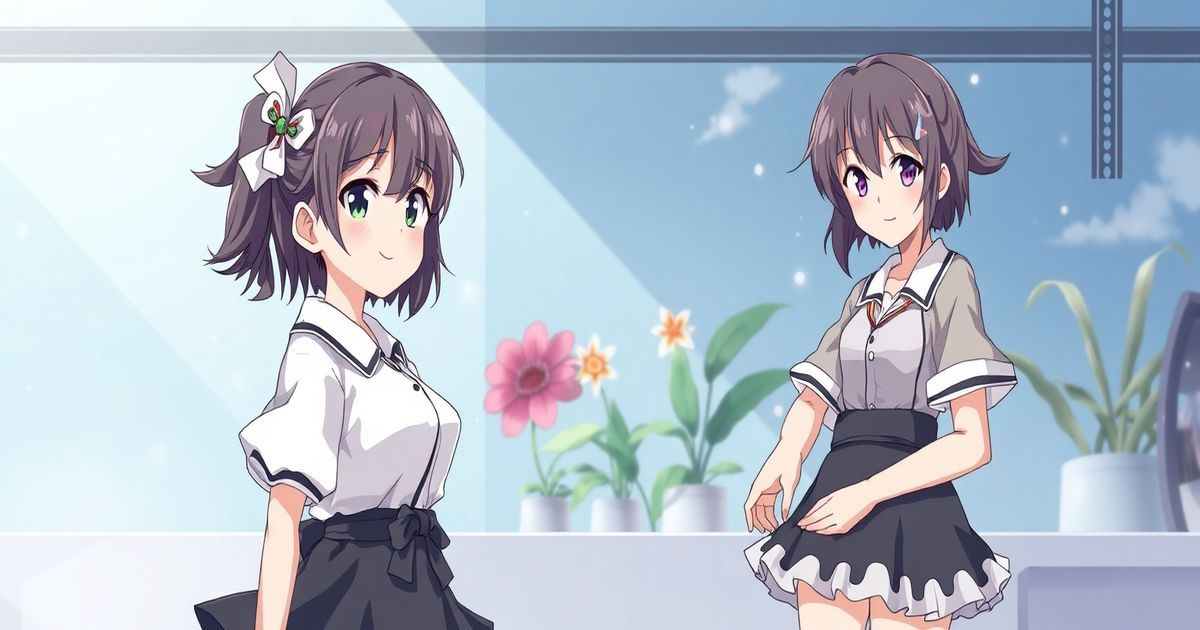
Introduction: The Global Phenomenon of Anime Art
Anime art has transcended its Japanese origins to become a dominant force in global visual culture, captivating millions with its expressive characters, dynamic storytelling, and unique aesthetic. Far more than just cartoons, anime art encompasses a vast spectrum of styles and techniques, from the meticulously detailed works of Studio Ghibli to the bold, simplified designs popular in modern webcomics. Its appeal lies in its ability to convey deep emotion, complex narratives, and fantastical worlds through a distinct visual language. Whether you’re an aspiring artist seeking to master the craft or simply a fan appreciating its beauty, understanding the fundamentals and evolution of anime art is essential. This guide delves into the core elements, historical journey, practical techniques, and exciting future directions of this dynamic art form, providing a comprehensive resource for enthusiasts and creators alike in 2026 and beyond.
Defining Anime Art: More Than Just Cartoons
Anime art is fundamentally characterized by its specific visual conventions, setting it apart from Western animation and other global art styles. While definitions can vary, core traits include highly stylized human features – particularly large, expressive eyes that convey a wide range of emotions, often with intricate highlights and reflections. Hair is typically drawn with bold, flowing lines and vibrant, sometimes unrealistic colors, serving as a key identifier of character personality. Facial expressions are exaggerated for dramatic effect, and body proportions often follow specific archetypes (like the “bishōjo” or beautiful girl style). Movement is frequently depicted through speed lines, motion blurs, and dynamic posing that emphasizes action and energy. Crucially, anime art is not a monolith; it spans diverse genres (shonen, shojo, seinen, josei) each with its own visual nuances, from the gritty realism of Berserk to the whimsical charm of My Neighbor Totoro. Understanding these foundational elements is the first step to appreciating or creating authentic anime art. According to Wikipedia, the term “anime” specifically refers to animation produced in Japan or by Japanese creators, though the style has been widely adopted globally.
Key Characteristics of Iconic Anime Art Styles
The enduring appeal of anime art stems from its instantly recognizable visual language. Several key characteristics define its aesthetic:
- Expressive Eyes: Large, detailed eyes are arguably the most iconic feature. They often dominate the face, with multiple highlights, intricate iris patterns, and varying shapes (round for innocence, sharp for intensity) used to convey subtle and extreme emotions instantly.
- Stylized Hair: Hair is rarely realistic. It’s drawn in distinct, flowing sections with sharp edges, vibrant solid colors (or dramatic gradients), and often defies gravity, acting as a visual signature for the character.
- Exaggerated Expressions & Poses: Anime utilizes highly exaggerated facial expressions (sweat drops, chibi reactions, dramatic blushing) and dynamic, sometimes anatomically improbable, poses to emphasize action, emotion, or comedic timing.
- Simplified yet Detailed Approach: While backgrounds or certain elements might be simplified, key focal points (like eyes, intricate costumes, or specific props) often receive meticulous detail, creating a compelling contrast.
- Distinct Line Work: Clean, confident outlines are prevalent, though the weight and style of lines can vary significantly between artists and eras – from the soft, sketchy lines of early works to the crisp, digital lines common today. This line work defines form and separates elements clearly.
Mastering the balance and interplay of these elements is crucial for creating compelling anime art that resonates with audiences.
The Evolution of Anime Art: From Hand-Drawn to Digital Mastery
Anime art has undergone a remarkable transformation since its inception in the early 20th century. Pioneered by artists like Ōten Shimokawa and Seitarō Kitayama, early anime was heavily influenced by Western cartoons but quickly developed its own identity. The post-WWII era, spearheaded by Osamu Tezuka (often called the “God of Manga”), established many foundational conventions still used today, particularly the large-eyed style. The 1970s and 80s saw technical advancements with cel animation, allowing for more complex movement and vibrant colors, showcased in classics like Mobile Suit Gundam and Dragon Ball. The digital revolution, accelerating in the 1990s and 2000s, fundamentally changed anime art production. Software like Adobe Photoshop, Clip Studio Paint, and Toon Boom Harmony replaced physical cels and paints, offering unprecedented flexibility, layering capabilities, and non-destructive editing. This shift democratized creation, enabling independent artists to produce professional-quality work from home. Today, anime art seamlessly blends traditional hand-drawn aesthetics with digital tools, incorporating 3D modeling for complex scenes and backgrounds while retaining its core 2D charm. For a deeper dive into art history context, Britannica offers excellent resources on artistic evolution.
Essential Techniques for Creating Anime Art
Creating compelling anime art requires mastering both fundamental drawing skills and style-specific techniques. Start with strong basics: understand human anatomy (even when stylized), perspective, and composition. Key techniques include:
- Character Design: Focus on creating unique silhouettes, defining personality through visual cues (hairstyle, clothing, posture), and establishing clear color palettes. Consider the character’s role and backstory.
- Linework Mastery: Practice achieving clean, confident lines. Vary line weight – thicker for outlines and shadows, thinner for details – to add depth and dimension. Digital artists often use stabilization tools for smoother curves.
- Shading and Lighting: Anime shading (cel-shading or gradient-based) is crucial for volume and mood. Understand core light sources, cast shadows, and how to use highlights effectively, especially in eyes. Avoid overly complex realistic shading unless it suits the specific style.
- Background Integration: While characters are focal, well-rendered backgrounds enhance storytelling. Learn perspective (1-point, 2-point, 3-point) and how to simplify complex scenes to maintain the anime aesthetic without overwhelming the character.
- Expression Drawing: Study how subtle changes in eyebrow position, mouth shape, and eye direction convey vastly different emotions. Reference real life and other anime for inspiration.
Consistent practice, studying master artists, and understanding the “why” behind stylistic choices are paramount for growth in anime art.
Digital Tools Powering Modern Anime Art Creation
The digital age has revolutionized anime art production, making professional tools accessible to creators worldwide. Essential software includes:
- Clip Studio Paint: The industry standard for many anime and manga artists, renowned for its exceptional pen tools, perspective rulers, 3D poseable mannequins, and vast brush library tailored for inking and painting.
- Adobe Photoshop: A versatile powerhouse used for painting, photo manipulation, and complex compositing, favored by many professional illustrators for its robust layer system and filters.
- Procreate: A popular choice for iPad users, offering an intuitive interface, powerful brushes, and portability, ideal for sketching and painting on the go.
- Krita: A free, open-source alternative with strong painting capabilities and animation features, gaining significant traction among budget-conscious artists.
- Blender: Increasingly used for creating 3D models of characters, props, or complex backgrounds that are then integrated into 2D scenes, adding depth and dynamic camera angles.
Hardware like graphics tablets (Wacom, Huion, XP-Pen) or iPad Pros are essential for precise control. Mastering these tools allows artists to efficiently execute the intricate linework, vibrant colors, and smooth gradients characteristic of high-quality anime art. For those seeking structured learning, explore our resources for tutorials and community support.
Emerging Trends in Anime Art for 2026
As we move through 2026, anime art continues to evolve, reflecting technological advancements and shifting audience tastes. Key trends include:
- Hybrid Styles: Blending traditional anime aesthetics with influences from Western comics, concept art, and even fine art movements, creating richer, more diverse visual palettes.
- Enhanced Realism (Selectively): While core stylization remains, there’s a trend towards more nuanced anatomy, realistic fabric textures, and sophisticated lighting effects within the anime framework, particularly in seinen/josei genres.
- AI-Assisted Workflows: Artists are increasingly using AI tools for specific tasks like generating background concepts, color palettes, or texture variations, augmenting (not replacing) their core creative skills and speeding up production.
- Diverse Representation: A growing emphasis on creating characters with a wider range of body types, ethnicities, gender expressions, and abilities, moving beyond traditional archetypes.
- Webcomic & Social Media Optimization: Art styles are adapting for vertical scrolling formats and quick consumption on platforms like Instagram and TikTok, often featuring simpler compositions and bold, immediate visual hooks.
Staying attuned to these trends while developing a unique voice is key for contemporary anime art creators.
Learning and Mastering Anime Art: Resources and Community
Embarking on your anime art journey requires dedication, but abundant resources exist. Start with foundational drawing books (e.g., Figure Drawing for All It’s Worth by Andrew Loomis) before specializing. Online platforms like Skillshare, Domestika, and YouTube offer countless tutorials on specific techniques – search for “anime eye drawing” or “cel shading tutorial.” Studying the work of masters like Hayao Miyazaki, Akira Toriyama, or contemporary digital artists is invaluable; analyze how they achieve their effects. Join online communities (Discord servers, ArtStation, DeviantArt) for feedback, motivation, and to see diverse interpretations of anime art. Participate in challenges like Inktober or specific anime-themed events. Remember, consistent practice is non-negotiable – draw daily, even if only for 15 minutes. Focus on understanding principles rather than just copying. For curated learning paths and community engagement, visit here to connect with fellow enthusiasts and access specialized guides.
Conclusion: The Enduring Power and Future of Anime Art
Anime art stands as a testament to the power of visual storytelling, continuously evolving while retaining its core ability to connect deeply with audiences across cultures and generations. From its historical roots to its current digital renaissance, the art form demonstrates remarkable adaptability and enduring appeal. Mastering anime art involves not just technical skill with lines and colors, but also an understanding of narrative, emotion, and the unique visual language that defines it. As technology advances and global perspectives broaden, the future of anime art in 2026 and beyond promises even greater diversity, innovation, and accessibility for creators and fans alike. Whether you aspire to create the next iconic series or simply wish to appreciate the craft on a deeper level, engaging with anime art offers a rich and rewarding journey. Start drawing, keep learning, and become part of this vibrant, ever-expanding artistic universe. Explore the possibilities and find your unique voice within the world of anime art today!