
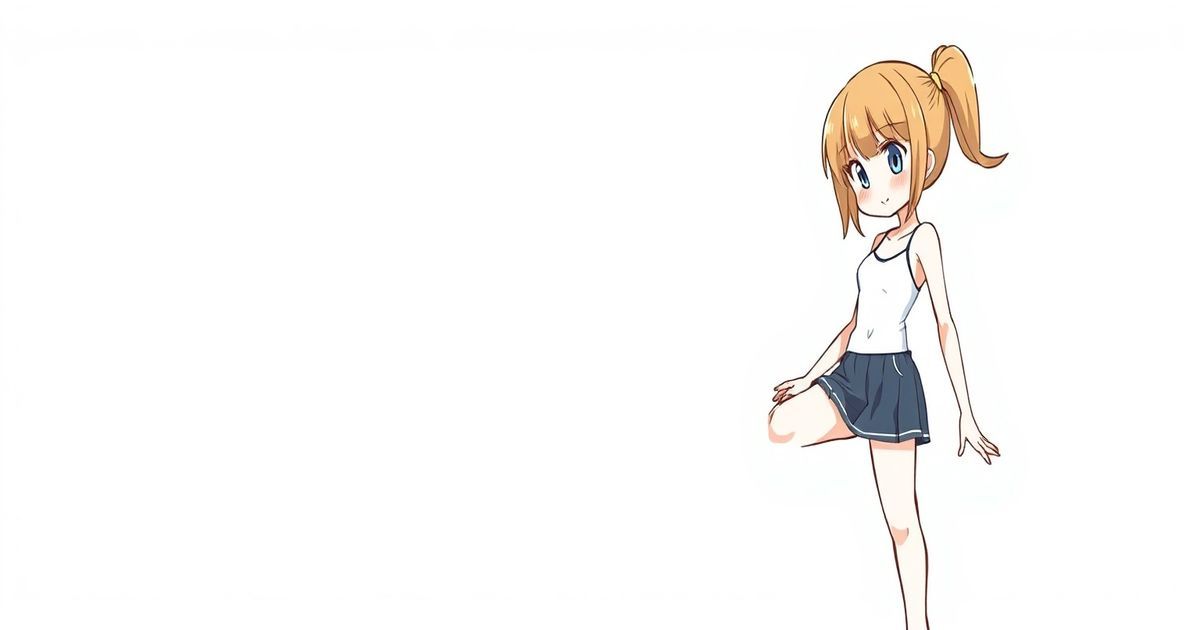
Creating compelling anime characters hinges on mastering anime body drawing. While expressive faces capture attention, it’s the body that conveys movement, emotion, and personality. Many aspiring artists focus intensely on the head and ignore the foundational structure below, resulting in stiff, unnatural figures. This comprehensive guide dives deep into the anatomy, proportions, and techniques required to draw believable and dynamic anime bodies. Whether you’re a beginner starting your artistic journey or an intermediate artist looking to refine your skills, understanding the nuances of anime body drawing is non-negotiable for creating characters that leap off the page. Forget generic templates; true mastery comes from grasping the underlying principles that make anime bodies uniquely expressive yet grounded in simplified reality. Let’s unlock the secrets to bringing your characters to life with confidence and fluidity.
Understanding Anime Body Drawing Fundamentals
Anime body drawing differs significantly from realistic human anatomy, yet it still relies on core structural principles. Anime stylization involves deliberate exaggeration and simplification. Key features include elongated limbs, larger heads relative to body size (especially in shojo styles), and highly expressive poses. However, even with these exaggerations, the body must maintain internal logic and weight. Understanding the basic skeletal structure and major muscle groups is crucial, even if you simplify them drastically. Think of the spine as the central axis – its curve dictates the entire pose’s dynamism. The ribcage and pelvis form the primary masses that rotate and tilt. Ignoring these fundamentals leads to figures that look flat or disconnected. According to Wikipedia, the visual language of anime often prioritizes emotional expression through body language, making accurate anime body drawing essential for storytelling. Start by practicing simple gesture drawings to capture the essence of a pose quickly, focusing on the flow and energy rather than details. This foundational step trains your eye to see the body as a series of interconnected lines and shapes, not isolated parts. Remember, every line you draw should contribute to the overall impression of weight, balance, and movement. Mastering these basics transforms your characters from static illustrations into vibrant, living entities.
Mastering Proportions: The Anime Body Blueprint
Proportions are the skeleton of your anime body drawing. While styles vary (shonen characters often have more realistic proportions than shojo), a consistent system is vital. A common starting point is the “head-to-body” ratio. For many anime styles, the body is approximately 6 to 7.5 heads tall. The first head height covers the head itself. The second head height typically reaches the shoulders. The third head height is around the bottom of the ribcage. The fourth head height hits the waist. The fifth head height is at the pelvis/groin. The sixth head height reaches mid-thigh. The seventh head height is around the knees, and the eighth (if used) reaches the feet. However, anime frequently exaggerates leg length, making the lower body proportionally longer – sometimes 4 heads from pelvis to feet instead of 3.5. Key landmarks are essential:
- Shoulders are usually 1.5 to 2 head widths wide.
- The waist is significantly narrower than the shoulders, especially for female characters.
- Hips are often wider than the waist but narrower than the shoulders for males, and wider than shoulders for females.
- Hands typically reach mid-thigh, and feet are roughly the length of the shin.
Consistently measuring these relationships ensures your figures look cohesive. Practice drawing bodies using these head units as a guide before adding stylistic flair. For deeper anatomical understanding, resources like Britannica offer reliable references on human structure, which you can then adapt to anime stylization. Don’t just copy; analyze why certain proportions evoke specific feelings – longer legs suggest elegance or speed, while broader shoulders imply strength.
Dynamic Posing: Bringing Bodies to Life
Static, standing poses are the enemy of engaging anime body drawing. Anime thrives on dynamic energy, and the body is the primary vehicle for this. To create compelling poses, focus on the concept of “line of action.” This is a single, flowing curve that runs through the entire figure, suggesting movement and direction. A strong line of action makes even a simple pose feel alive. Consider the forces acting on the body: gravity, momentum, tension. How does a character leaning forward shift their weight? Where is the center of gravity? Exaggerate contrapposto (the natural S-curve where weight shifts onto one leg) for a more relaxed stance. For action poses, think about the sequence of movement – the wind-up before a punch, the follow-through of a jump. Use reference photos of real people or other artists’ work, but always adapt them to the anime aesthetic. Pay close attention to how clothing interacts with the body in motion; fabric flows and drapes based on the underlying form and movement. Avoid “floaty” limbs; every part should feel connected and purposeful. Experiment with extreme perspectives (low angles for power, high angles for vulnerability) to add drama. Remember, the pose should always serve the character’s emotion and the scene’s narrative. A slumped posture conveys defeat, while an open, expansive stance radiates confidence. Mastering dynamic posing transforms your anime body drawing from technical exercise into compelling visual storytelling.
Essential Practice Techniques for Improvement
Consistent, focused practice is the only path to mastery in anime body drawing. Move beyond tracing or copying static images. Implement these targeted exercises:
- Gesture Drawing Drills: Set a timer for 30 seconds to 2 minutes. Rapidly sketch the essence of a pose – the line of action, major masses (head, ribcage, pelvis), and weight distribution. Do dozens daily using sites like Line of Action or Quickposes. This builds your ability to capture movement instantly.
- Proportion Studies: Find reference images (photos or other art) and draw the figure using head units. Measure key points: how many heads to the waist? To the knees? Compare your drawing to the reference. This ingrains proportional accuracy.
- Anatomy Overlays: Draw a simple mannequin figure first, then add simplified muscle groups or clothing on top of it. This reinforces how surface details relate to the underlying structure.
- Pose Construction: Start with basic 3D shapes (spheres for joints, boxes for ribcage/pelvis) to build the pose in space. This helps with perspective and volume.
- Clothing Integration: Practice drawing clothing over a posed figure, not as separate elements. How does a jacket fold over a bent arm? How does a skirt flow from a twisting torso?
Don’t get discouraged by early attempts; every sketch builds neural pathways. Analyze your work critically: Where does the weight feel off? Is the line of action clear? For structured learning and community feedback, explore our resources dedicated to anime art development. Supplement your practice with studying master animators and manga artists known for dynamic figures, like Akira Toriyama or CLAMP. Remember, improvement is incremental – celebrate small victories and persist.
Conclusion: Your Journey in Anime Body Drawing
Mastering anime body drawing is a continuous journey of observation, understanding, and dedicated practice. It’s not merely about replicating styles but internalizing the principles of structure, proportion, and movement that make anime bodies uniquely expressive. By focusing on the fundamentals – the underlying anatomy, the critical head-to-body ratios, the power of the line of action, and the dynamics of posing – you build a solid foundation that allows for confident stylization. Remember that even the most exaggerated anime figures rely on a believable sense of weight and physics. Consistent practice using the techniques outlined, especially gesture drawing and proportion studies, will steadily transform your ability to create characters that feel alive and convey emotion through their very posture. Embrace the process, learn from every sketch, and don’t fear experimentation. Your unique voice in anime body drawing will emerge as you deepen your understanding. Ready to take your skills further? Visit here for advanced tutorials, community challenges, and inspiration to keep your artistic journey vibrant and dynamic. Start drawing today – your next iconic character awaits!