
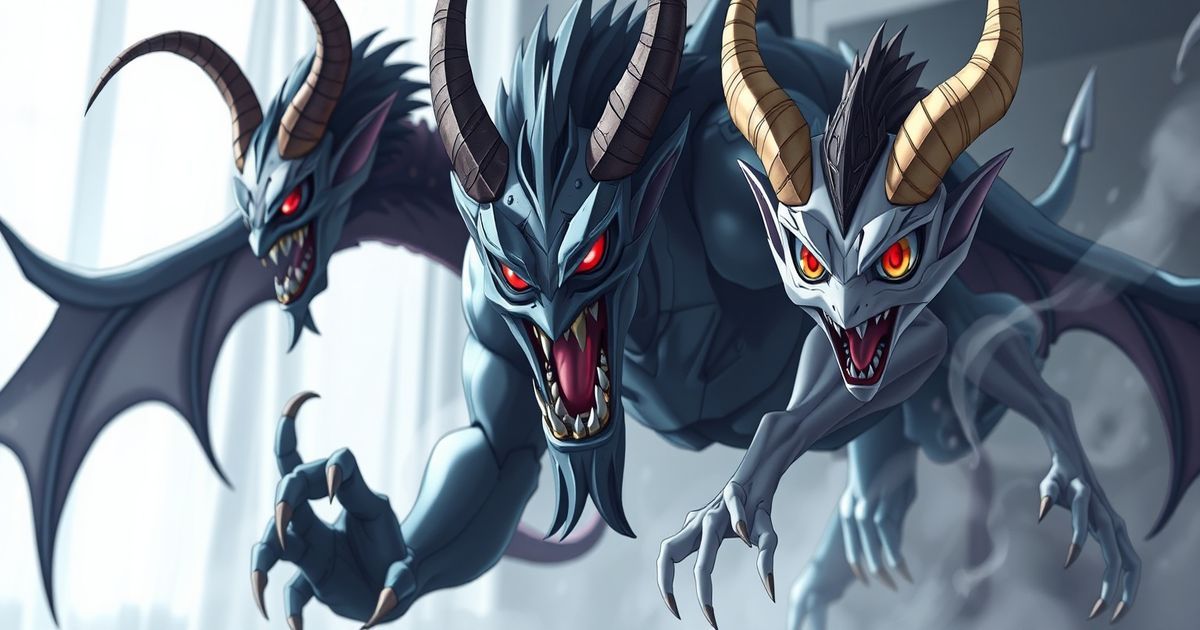
The realm of Japanese animation has long fascinated global audiences with its rich tapestry of supernatural entities, and few archetypes command as much intrigue as anime demons. These beings—ranging from ancient yōkai spirits to modern reinterpretations of hellish entities—transcend simple villainy to embody complex themes of morality, trauma, and cultural identity. Whether depicted as terrifying adversaries or tragically sympathetic figures, anime demons serve as powerful narrative vessels that reflect societal anxieties and philosophical questions. Their visual diversity—from grotesque oni with razor-sharp horns to elegant, otherworldly spirits—showcases anime’s unique ability to blend traditional folklore with contemporary storytelling. As we delve into this captivating subject, we’ll uncover why these creatures remain central to anime’s global appeal and how they continue to evolve in 2026’s creative landscape. Understanding anime demons isn’t just about appreciating their menace; it’s about decoding the cultural DNA of Japanese animation itself.
Defining Anime Demons: Roots in Folklore and Fantasy
Anime demons draw deeply from Japan’s centuries-old mythological traditions, particularly the concept of yōkai—supernatural creatures originating in Shinto and Buddhist beliefs. Unlike Western demons often tied to religious damnation, Japanese yōkai embody natural phenomena, human emotions, or moral lessons. For instance, the kappa (a water demon) warns against greed, while the tengu (a mountain spirit) represents martial pride. Anime creators reinterpret these entities through modern lenses, amplifying their symbolic weight. Series like GeGeGe no Kitarō (1968) pioneered this fusion, transforming folklore into accessible narratives. Today, anime demons frequently subvert expectations: they may be protectors rather than destroyers, as seen in Demon Slayer’s Nezuko, whose demonic powers stem from tragedy rather than evil. According to Wikipedia, yōkai lore has over 1,000 documented entities, providing endless inspiration. This foundation allows anime to explore universal themes—like the struggle between humanity and monstrosity—through culturally specific imagery. The adaptability of these beings ensures they remain relevant, whether reimagined in cyberpunk settings (Cyberpunk: Edgerunners) or historical epics (The Tale of Genji adaptations).
Iconic Anime Demons That Shaped the Genre
Certain anime demons have achieved legendary status, leaving indelible marks on pop culture. Their designs and narratives often define entire series, showcasing how these entities evolve beyond mere antagonists. Consider these groundbreaking examples:
- Sukuna (Jujutsu Kaisen): A 1,000-year-old cursed spirit embodying pure malice, Sukuna’s four arms and mouth-covered face make him visually unforgettable. His philosophical nihilism challenges protagonists’ moral frameworks.
- Muzan Kibutsuji (Demon Slayer): As the first demon, Muzan represents toxic privilege and fear of mortality. His aristocratic demeanor contrasts sharply with his brutal actions, highlighting anime’s nuanced villainy.
- Alucard (Hellsing Ultimate): This vampire demon merges Western lore with anime flair, his chaotic power and dark humor redefining supernatural antiheroes.
- Kagura (Gintama): Though technically an alien, Kagura’s yōkai-like strength and insatiable appetite parody traditional demon tropes, proving anime demons can be both fearsome and comedic.
- The Ogre (Berserk): A manifestation of Griffith’s ambition, this demonic entity symbolizes the corrosive nature of unchecked desire in dark fantasy.
These characters demonstrate how anime demons serve as narrative engines—driving conflict while exploring psychological depth. Their enduring popularity underscores anime’s ability to humanize the monstrous, inviting audiences to empathize with even the most terrifying beings.
Cultural Significance: Why Demons Resonate in Japanese Storytelling
The prominence of anime demons reflects deeper cultural currents unique to Japan. Historically, yōkai were seen as manifestations of musubi—the interconnected energy of all things—blurring lines between natural and supernatural. This worldview permeates anime, where demons often symbolize societal issues: Attack on Titan’s Titans represent collective trauma, while Devilman Crybaby uses demons to critique xenophobia. Unlike Western narratives that typically frame demons as irredeemable evil, Japanese storytelling embraces ambiguity. A demon might be a victim of circumstance (like Naruto’s Kurama), challenging black-and-white morality. This complexity resonates globally, as modern audiences seek layered characters. According to Britannica, Japan’s Shinto roots emphasize harmony with spiritual forces, explaining why demons coexist with humans rather than being banished. For deeper analysis of these themes, explore our resources on cultural symbolism in anime. Ultimately, anime demons act as mirrors, reflecting humanity’s dual capacity for creation and destruction—a timeless theme that transcends cultural boundaries.
Why Anime Demons Captivate Global Audiences
The universal appeal of anime demons lies in their multifaceted roles across genres. They are not confined to horror; they appear in shonen battles (Black Clover), psychological thrillers (Perfect Blue), and even slice-of-life comedies (Daily Lives of High School Boys). Several factors drive their popularity:
- Visual Innovation: Anime’s artistic freedom allows demons to be designed with breathtaking creativity—think Chainsaw Man’s hybrid horror or Jujutsu Kaisen’s cursed energy manifestations.
- Emotional Complexity: Demons often embody internal struggles, making them relatable. Tanjiro’s quest to cure his demon sister in Demon Slayer tugs at heartstrings while delivering action.
- Cultural Hybridity: Series like Noragami blend Shinto spirits with urban fantasy, appealing to international viewers curious about Japanese traditions.
- Moral Ambiguity: Characters like Tokyo Ghoul’s Kaneki—caught between human and ghoul identities—challenge simplistic hero/villain dichotomies.
This versatility ensures anime demons remain central to anime’s identity. As streaming platforms expand access, these creatures introduce global audiences to Japan’s mythological heritage, fostering cross-cultural dialogue. For enthusiasts seeking curated recommendations, visit here to discover top demon-centric series.
Conclusion: The Enduring Power of Anime Demons
From ancient folklore to cutting-edge animation, anime demons continue to evolve while retaining their core allure. They are more than monstrous adversaries; they are storytellers’ tools for examining power, identity, and the shadows within us all. As anime production advances in 2026—with AI-assisted animation and immersive VR experiences—these entities will likely gain even greater depth, pushing creative boundaries while honoring tradition. Whether you’re a longtime fan or new to the genre, exploring anime demons offers a gateway into anime’s philosophical richness and artistic brilliance. Their stories remind us that true monsters often reflect our own fears, making them perpetually relevant. Ready to dive deeper? Learn more on our site about how these iconic beings shape the future of animation. Embrace the darkness, and discover the light within it.