
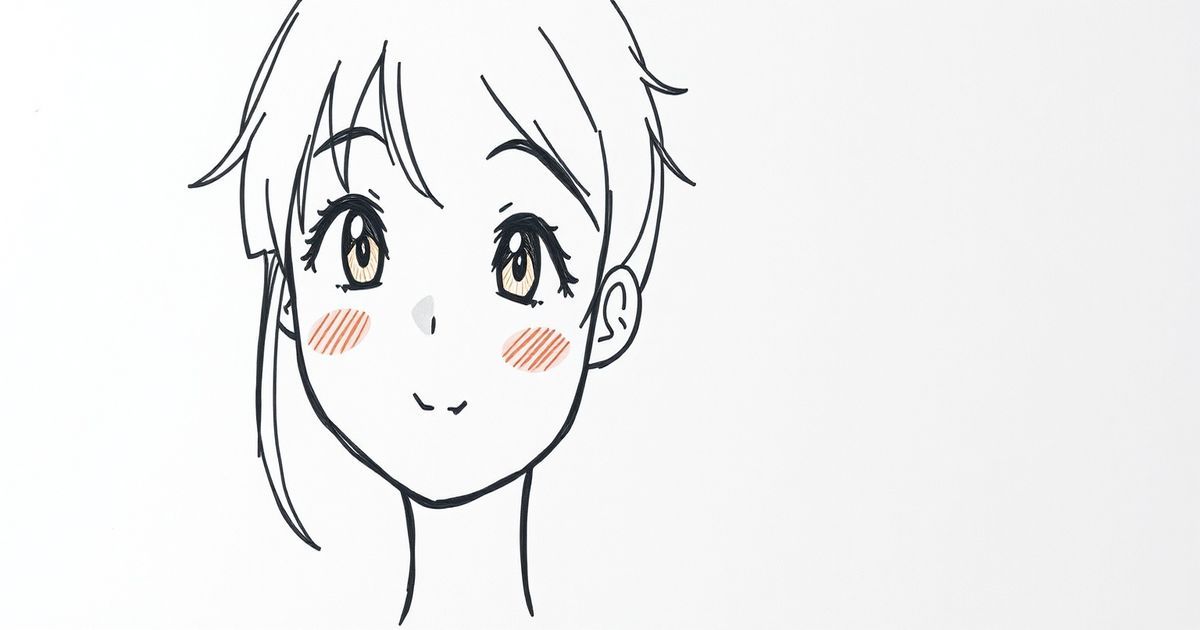
Unlock the captivating world of Japanese animation by mastering the art of anime face drawing. Whether you’re a complete beginner fascinated by the expressive styles of Studio Ghibli or an intermediate artist aiming to refine your character design skills, understanding the unique proportions and features of anime faces is fundamental. This distinctive art form blends simplified realism with exaggerated emotional cues, creating instantly recognizable and deeply expressive characters. In 2026, with digital tools making creation more accessible than ever, learning anime face drawing opens doors to personal creativity, professional opportunities in illustration and animation, or simply a rewarding hobby. This comprehensive guide breaks down the process into manageable steps, demystifying the techniques behind those iconic large eyes, dynamic hairstyles, and emotive expressions. Get ready to transform your sketches from basic shapes into compelling anime personas.
Essential Elements of Anime Face Drawing
The foundation of compelling anime face drawing lies in understanding its core stylistic conventions, which differ significantly from realistic portraiture. Anime faces prioritize emotional clarity and visual appeal through specific exaggerations and simplifications. The most defining feature is undoubtedly the eyes – they are dramatically enlarged, often taking up a third or more of the face’s height, serving as the primary vessel for conveying complex emotions like joy, sorrow, anger, or determination. Pupils are frequently large and detailed, sometimes incorporating shimmering highlights or intricate patterns. The nose is typically minimal, often just a subtle line or dot, while the mouth is small and expressive, capable of shifting from a tiny dot to a wide, dynamic grin. Facial structure is generally softer and more rounded than realistic proportions, especially for younger characters, with a smaller chin and higher cheekbones contributing to the youthful aesthetic. Hair is another crucial element, usually voluminous, stylized, and flowing, often defying gravity and physics to create dramatic silhouettes and frame the face effectively. Mastering the balance between these exaggerated features and maintaining a sense of harmony is key. According to Wikipedia, the term “anime” encompasses a diverse range of styles, but the facial characteristics described remain remarkably consistent across most mainstream productions, forming a visual language understood globally. Understanding these core elements provides the essential vocabulary for your anime face drawing journey.
Step-by-Step Guide to Drawing an Anime Face
Creating a believable anime face involves a structured approach, starting with basic shapes and gradually refining details. Follow these steps to build a solid foundation:
- Sketch the Basic Head Shape: Begin with a simple oval or egg shape. Lightly mark the centerline vertically down the face and horizontal lines for the eyes, nose, and mouth. In anime, the eyes are usually positioned halfway down the head (unlike realistic art where they are lower), and the nose/mouth area is often compressed.
- Define the Eye Placement and Shape: Draw large, almond-shaped or circular eyes along the upper horizontal guideline. Ensure they are symmetrical and appropriately spaced – often about one eye-width apart. Add the iris, leaving space for highlights, and define the upper and lower eyelids with smooth curves.
- Add Nose and Mouth: Place the nose lightly – a small triangle, dot, or simple line just below the eyes. The mouth is typically small; draw a subtle curve or line for a neutral expression, positioning it roughly one-third of the way down from the nose to the chin.
- Outline the Jawline and Ears: Define the sides of the face, creating a soft jawline that tapers towards the chin. Ears are usually small and positioned level with the nose and eyes. Refine the overall head shape, ensuring it flows smoothly.
- Draw the Hair: Block in the main volume and direction of the hair. Anime hair often consists of distinct, flowing sections or “spikes.” Start with the hairline, then build up layers, paying attention to how it frames the face and interacts with the head shape.
- Refine Features and Add Details: Darken the final outlines of the eyes (including eyelashes if desired), refine the shape of the mouth, and add subtle details like blush marks or skin texture. Define the hair strands more precisely, adding highlights and shadows.
- Finalize and Clean Up: Erase unnecessary construction lines. Consider adding final touches like catchlights in the eyes, subtle shading to indicate form (especially under the chin and around the eyes), or background elements. For digital artists, this is the stage for coloring and rendering.
This methodical process ensures proportionate and expressive results. For more structured practice and reference materials, explore our resources designed specifically for anime artists.
Common Mistakes to Avoid in Anime Face Drawing
Even experienced artists can stumble when focusing on anime face drawing. Being aware of frequent pitfalls helps accelerate your learning curve:
- Inconsistent Proportions: Placing the eyes too low (realistic position) or too close together/far apart disrupts the anime aesthetic. Always refer back to the guideline that eyes sit roughly halfway down the head.
- Overcomplicating the Nose and Mouth: Trying to draw realistic noses or large mouths often clashes with the stylized look. Remember, simplicity is key – a minimal nose and small, expressive mouth are hallmarks.
- Ignoring the Hairline and Forehead: Anime characters often have higher foreheads. Drawing the hairline too low or making the forehead too small makes the face look cramped and unnatural for the style.
- Symmetry Issues: While anime faces aren’t perfectly symmetrical (especially in dynamic poses), major imbalances in eye size, placement, or jawline angle look like errors rather than stylistic choices. Use light guidelines to check symmetry during construction.
- Neglecting Emotional Cues: The eyes and mouth are primary emotion carriers. Drawing neutral features when aiming for a specific feeling (like sadness or excitement) results in a flat character. Study how different eye shapes (teardrop, narrowed, sparkling) and mouth curves convey mood.
- Poor Hair Flow and Volume: Hair that looks flat, static, or glued to the head lacks the dynamic energy of anime. Focus on the overall shape and direction of hair sections first, then add strands within that volume. Understanding basic hair physics, even in stylized form, adds believability. For foundational knowledge on human anatomy relevant to stylization, consult Britannica.
Avoiding these errors significantly improves the professionalism and appeal of your anime face drawing.
Tools and Techniques for Modern Anime Artists
The tools you use can greatly influence your anime face drawing experience and results. Traditional media like pencils (HB-2B for sketching, 4B-6B for shading), fine liners (0.1, 0.3, 0.5 for inking), and markers or watercolors remain popular for their tactile feel and unique textures. However, digital art has become the dominant force in professional anime production and is incredibly accessible for hobbyists. Tablets (like Wacom, Huion, or iPad Pro) paired with software such as Clip Studio Paint (highly recommended for manga/anime), Photoshop, or Krita offer immense advantages: unlimited undo, layers for non-destructive editing, easy color correction, and a vast array of brushes mimicking traditional media. Key digital techniques include using reference layers, leveraging symmetry tools for initial sketching (then breaking symmetry for life), and mastering layer masks for clean coloring. Whether traditional or digital, consistent practice is paramount. Dedicate time to studying real human faces to understand underlying structure, then consciously apply the anime stylization rules. Analyze your favorite anime series – pause frames to observe how different studios handle facial features during various expressions. Experiment with different line weights; thicker lines for outlines and shadows, thinner lines for details, add depth and professionalism. Remember, the best tool is the one you enjoy using and practice with regularly.
Conclusion: Your Anime Face Drawing Journey Begins Now
Mastering anime face drawing is a rewarding journey that blends technical skill with creative expression. By understanding the core stylistic elements – the expansive eyes, simplified nose and mouth, soft jawlines, and dynamic hair – and following a structured step-by-step approach, you can consistently create captivating characters. Avoiding common pitfalls like inconsistent proportions or overcomplicating features ensures your work aligns with the beloved anime aesthetic. Embrace the tools that suit your style, whether traditional pencils or a digital tablet, and prioritize consistent practice and observation. Remember, even the most renowned anime artists started with basic shapes and dedicated countless hours to refinement. The unique ability of anime faces to convey profound emotion through stylized features is what makes this art form so powerful and enduring. Don’t be discouraged by early attempts; every sketch is a step forward. Equip yourself with patience, study references diligently, and most importantly, enjoy the process of bringing your imaginative characters to life. Ready to dive deeper and access specialized tutorials? visit here to elevate your anime face drawing skills today. Start sketching, keep learning, and unleash your inner character designer!