
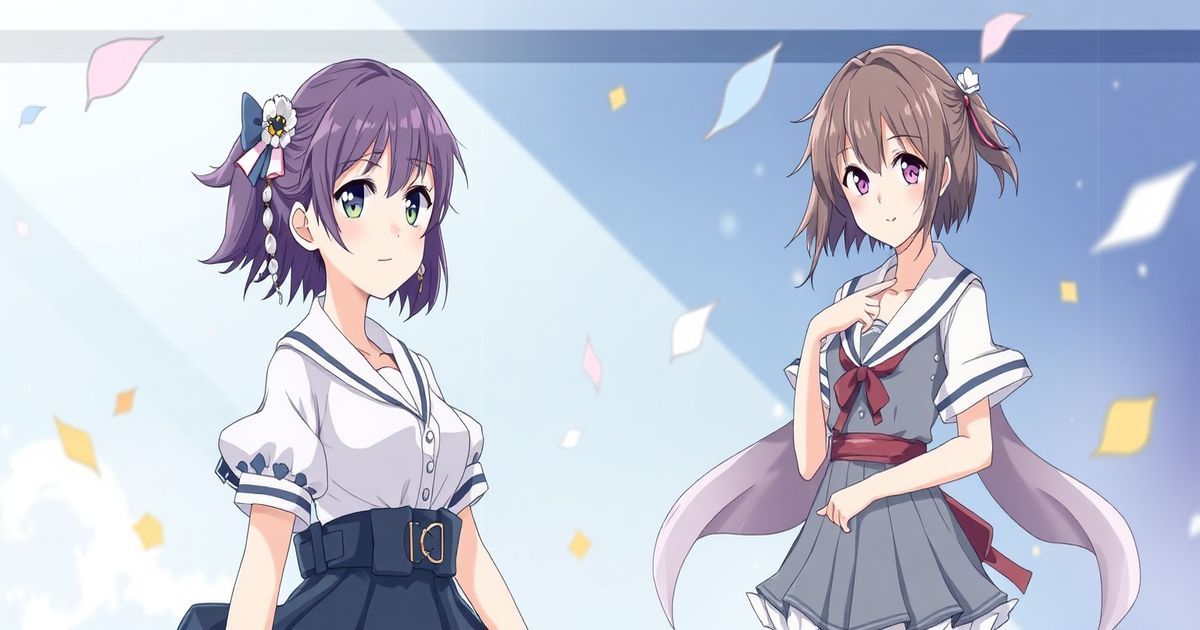
The vibrant, ever-evolving world of anime fan art represents one of the most passionate and creative expressions within global pop culture. Far more than simple imitation, it’s a dynamic dialogue between creators and the beloved characters and worlds they adore. From breathtaking digital paintings capturing the essence of a favorite hero to intricate traditional sketches reimagining iconic scenes, anime fan art fuels online communities, inspires professional artists, and keeps the spirit of beloved series alive long after the final episode. In 2026, with anime’s global popularity reaching unprecedented heights, the fan art landscape is more diverse and accessible than ever, powered by sophisticated tools and interconnected platforms. This guide dives deep into what makes anime fan art such a vital and joyful part of the anime ecosystem, exploring its definition, creation process, community impact, and the crucial legal considerations every creator should know.
What Exactly is Anime Fan Art?
Anime fan art is any original artwork created by fans, inspired by existing anime series, characters, settings, or storylines. It exists outside the official production by studios like Studio Ghibli, MAPPA, or Crunchyroll Originals. The core essence lies in the fan’s personal interpretation and creative expression. This could mean drawing Goku from Dragon Ball in a completely new costume, crafting a romantic scene between characters who never interacted in the canon (Shipping), reimagining a character in a different art style (like turning a cel-shaded character into a watercolor painting), or creating entirely new “Original Characters” (OCs) that fit seamlessly into the established universe. Crucially, anime fan art is distinct from official merchandise or studio-produced content; it originates from the community itself. According to Wikipedia, the global anime market’s explosive growth directly fuels this fan-driven creativity, providing an endless wellspring of inspiration. Fan art serves multiple purposes: it’s a form of tribute, a practice ground for aspiring artists, a vehicle for exploring “what if?” scenarios, and a powerful bonding tool within fandoms. The sheer volume and variety found across platforms like DeviantArt, Pixiv, and Twitter/X demonstrate its significance as a cultural phenomenon, not just a niche hobby. Understanding this foundation is key to appreciating its role and navigating the space responsibly.
Why Create Anime Fan Art? The Powerful Benefits
The motivations behind creating anime fan art are as diverse as the art itself, but several core benefits consistently emerge for both casual doodlers and dedicated artists:
Skill Development & Artistic Growth: Working from established characters provides a structured framework to practice anatomy, perspective, color theory, and specific styles. Recreating the distinctive eyes of a shonen protagonist or the flowing hair of a shojo* heroine hones technical abilities applicable to original work. It’s a low-stakes environment to experiment with new techniques, digital brushes, or traditional media.
- Emotional Connection & Catharsis: Fan art allows creators to process their feelings about a story or character. Drawing a comforting scene after a sad episode, expressing joy over a victory, or visualizing unresolved plot points provides a powerful emotional outlet. It deepens the personal bond with the source material.
- Community Building & Belonging: Sharing anime fan art is the primary way fans connect. Receiving likes, comments, and commissions from fellow enthusiasts fosters a sense of belonging and validation. Collaborating on projects, participating in art trades, or joining fandom-specific groups creates strong social ties centered around shared passion.
- Creative Exploration & Storytelling: Fan art is a sandbox for imagination. Artists explore “AUs” (Alternate Universes), develop backstories for minor characters, or visualize scenes the canon left ambiguous. It’s a way to contribute personal narratives to a larger story world, satisfying a deep creative itch.
- Portfolio Building & Career Pathways: For many professional illustrators and concept artists, anime fan art serves as a crucial portfolio piece. It demonstrates style, understanding of character, and ability to work within established aesthetics – highly valuable skills in the animation and gaming industries. Studios often scout talent from vibrant fan communities.
These benefits highlight why anime fan art transcends mere copying; it’s a multifaceted practice integral to personal growth and community vitality within the anime sphere.
How to Create Your Own Anime Fan Art: A Step-by-Step Guide
Creating compelling anime fan art is accessible to anyone willing to learn and practice. While talent helps, dedication and the right approach matter more. Here’s a practical guide:
- Choose Your Source & Concept: Start with a character or scene you genuinely love. What inspires you? A specific moment, a character dynamic, or just their design? Decide on your concept: a direct recreation, a stylistic reinterpretation, an AU scenario, or an OC insertion. Having a clear vision guides your process.
- Gather References Meticulously: Don’t rely on memory alone. Collect official screenshots, character sheets (if available), and high-quality images of the character from multiple angles. Study their proportions, costume details, signature expressions, and the show’s overall color palette. This ensures accuracy and captures the essence.
- Sketch & Refine: Begin with loose, rough sketches to explore composition and poses. Focus on capturing the character’s spirit and the intended mood. Refine your sketch, paying close attention to anatomy (especially tricky areas like hands and feet) and perspective. Don’t rush this foundational stage.
- Choose Your Medium & Tools: Will you use traditional media (pencils, paints) or digital (tablet + software like Clip Studio Paint, Procreate, or Krita)? Digital offers immense flexibility with layers, undo, and editing. Ensure your tools are set up comfortably. Explore free resources and tutorials online to master your chosen software.
- Line Art & Coloring: Create clean line art (digitally or by inking traditionally). Then, apply color. Pay attention to lighting, shadows, and how colors interact. Use reference images for the character’s specific color scheme. Experiment with blending modes and textures for depth.
- Final Touches & Sharing: Add details like highlights, special effects (energy auras, sparkles), and background elements if desired. Step back, review critically, and make final adjustments. Once satisfied, share your anime fan art on your preferred platform! Engage with comments and be open to constructive feedback. For more structured learning and community support, explore our resources dedicated to aspiring anime artists.
Remember, the goal isn’t perfection on the first try, but consistent practice and enjoyment of the process. Every piece you create improves your skills.
Navigating the Anime Fan Art Community & Platforms
The online anime fan art community is vast, diverse, and incredibly supportive, but knowing where to go and how to engage is key. Different platforms cater to different needs:
- DeviantArt: A long-standing hub with massive collections, groups for specific fandoms, and robust tagging. Great for discovery and connecting with a broad art community.
- Pixiv: The dominant platform in Japan and hugely popular globally, especially among Japanese and Asian artists. Features sophisticated tagging, rankings, and a strong focus on manga/anime art. Essential for finding trending styles and connecting with international creators.
- Twitter/X: Ideal for real-time sharing, quick interactions, participating in art challenges (like #Inktober or fandom-specific tags), and direct communication with artists. Use relevant hashtags (#AnimeFanArt, #[SeriesName]FanArt) for visibility.
- Instagram: Focuses on visual appeal and aesthetics. Popular for showcasing finished pieces, process videos (Reels), and building a personal brand. Strong emphasis on high-quality presentation.
- Tumblr: Known for its strong fandom communities, reblogging culture, and niche content. Great for finding specific AU art or deep dives into character dynamics.
- ArtStation: While broader, it’s used by professional and semi-professional artists showcasing high-quality anime fan art, often as portfolio pieces demonstrating style and skill for potential employers.
Engaging positively is crucial: credit original creators if sharing others’ work (even fan art), be respectful in comments, participate in art trades fairly, and understand each platform’s culture. Building genuine connections within these spaces enriches the experience far more than just chasing likes. Understanding community norms, as outlined on resources like Wikipedia’s Fan Art page, helps navigate this vibrant ecosystem respectfully.
Understanding Copyright & Fair Use in Anime Fan Art
This is arguably the most critical aspect for any anime fan art creator. While fan art is ubiquitous and often encouraged by studios (as free promotion), it exists in a complex legal gray area. Crucially, creating and sharing fan art is almost never a license to profit from it directly using the original copyright holder’s characters and worlds.
Copyright Basics: The original anime series, characters, designs, and storylines are protected by copyright owned by the production studio, publisher, or licensor (e.g., Toei Animation for One Piece, Kyoto Animation for Violet Evergarden*). This gives them exclusive rights to reproduce, distribute, and create derivative works.
- Fair Use Doctrine (US) / Fair Dealing (Other Countries): This is the primary legal argument used to justify non-commercial fan art. It allows limited use of copyrighted material without permission for purposes like criticism, comment, news reporting, teaching, scholarship, or research. Key factors considered are:
* Purpose & Character: Non-profit, transformative (adds new expression/message), educational uses are favored. Purely commercial use weighs against fair use.
* Nature of Work: Using highly creative/fictional works (like anime characters) offers less fair use protection than factual works.
* Amount Used: Using only what’s necessary (e.g., one character vs. entire scenes) is better.
* Effect on Market: If the fan art harms the potential market for the original (e.g., substitutes for official merchandise), it’s less likely to be fair use.
- The Reality for Creators: Studios generally tolerate non-commercial fan art shared online as it promotes their IP. However, they can (and sometimes do) issue takedowns for specific works, especially if they are highly commercialized, poorly done (damaging the brand), or directly compete with official products. Selling prints, stickers, or other merchandise featuring copyrighted anime characters without a license is almost always infringement and risky. Always prioritize sharing your art for fun and community within the understood norms, not for profit. When in doubt, assume it’s not allowed for commercial use. Respecting the creators’ rights ensures the fan art ecosystem remains healthy and tolerated.
The Future of Anime Fan Art: Trends to Watch in 2026
As we move through 2026, several exciting trends are shaping the anime fan art landscape:
AI-Assisted Creation: Tools like Stable Diffusion and MidJourney are being used alongside* traditional skills. Artists use AI for brainstorming concepts, generating base sketches, or creating unique textures, but the final piece remains a human-directed, edited work. The debate around AI’s role in art continues, but integration is growing.
- Hyper-Personalization & Niche AUs: Fans are diving deeper into incredibly specific Alternate Universes – “What if Character X was a baker in a cozy fantasy town?” or “Character Y in a cyberpunk dystopia.” This reflects a desire for highly personalized storytelling within familiar frameworks.
- Cross-Media Fusion: Blending anime aesthetics with other art forms is booming. Expect to see more anime fan art incorporating elements of Western comics, classical painting techniques, pixel art, or even 3D sculpting, creating unique hybrid styles.
- Enhanced Interactivity: Platforms are experimenting with features allowing fans to interact with fan art – simple animations, choose-your-own-adventure style visual stories, or AR filters bringing fan art characters into the real world via smartphones.
- Focus on Diversity & Representation: There’s a growing push within the community to create fan art that reflects a wider range of ethnicities, body types, gender expressions, and abilities for both existing characters and OCs, moving beyond the sometimes-limited representation in source material.
These trends highlight the enduring creativity and adaptability of the anime fan art community, constantly finding new ways to engage with and reinterpret the stories they love.
Conclusion: Embrace Your Inner Creator
Anime fan art is far more than just drawing your favorite characters; it’s a vibrant, essential thread in the fabric of global anime culture. It empowers fans to become active participants, fostering incredible creativity, building supportive communities, and keeping the spirit of beloved series alive in fresh, personal ways. Whether you’re picking up a pencil for the first time or are a seasoned digital artist, the world of anime fan art offers endless opportunities for expression, growth, and connection. Remember to create with passion, share with respect, and always be mindful of the legal landscape surrounding copyright. The most important thing is to enjoy the process and celebrate the stories that inspire you. Ready to share your unique vision? Dive into the community, start creating, and let your love for anime shine through your art. For ongoing inspiration, tutorials, and to connect with fellow creators, visit here and become part of the journey! Your next masterpiece awaits.