
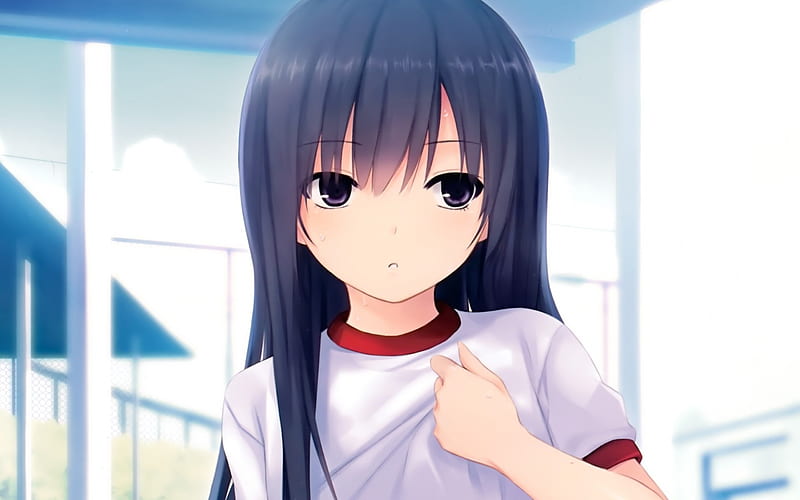
The world of anime is a vibrant tapestry of evolving art styles, but the period before 2015 holds a special place for enthusiasts. This era, often nostalgically referred to as the “Golden Age” or “Classic Era” by many fans, laid the essential groundwork for modern character design. Understanding the anime girl before 2015 isn’t just about looking back; it’s about appreciating the roots of a global phenomenon. Forget the hyper-detailed, often overly sexualized, or digitally smoothed characters dominating recent years. The pre-2015 aesthetic was characterized by a distinct blend of simplicity, expressive charm, and a strong connection to traditional hand-drawn animation techniques. This article dives deep into what made these characters so enduringly captivating.
Defining the Pre-2015 Anime Girl Aesthetic
What truly set the anime girl before 2015 apart? It wasn’t just one style, but a confluence of artistic choices shaped by technological limitations, cultural trends, and the mastery of pioneers. Key characteristics included:
- Emphasis on Expressive Simplicity: Large, emotive eyes were paramount, but they often featured less intricate detailing than modern counterparts. The focus was on conveying a wide range of emotions – joy, sorrow, determination – through clean lines and strategic highlights, not hyper-realistic textures. Think *Sailor Moon*’s Usagi or *Cardcaptor Sakura*’s titular character.
- Hand-Drawn Authenticity: While digital coloring was emerging, the core animation process remained heavily reliant on physical cels and pencil sketches. This resulted in a certain “warmth” and slight imperfection – visible line work, subtle color variations – that many fans associate with authenticity. The anime girl before 2015 often carried the tangible mark of the artist’s hand.
- Diverse Body Proportions (Relative to Today): While stylized, body proportions were generally less exaggerated than in some contemporary trends. Characters like *Fullmetal Alchemist*’s Winry Rockbell or *Fruits Basket*’s Tohru Honda possessed relatable, albeit idealized, physiques that served the story rather than solely catering to specific fetishes.
- Costume Design Rooted in Story: Outfits were frequently practical extensions of the character’s role, personality, or setting (school uniforms, fantasy armor, everyday wear). Elaborate, impractical costumes existed (especially in magical girl genres), but they were usually tied to a narrative purpose, not just visual spectacle.
The Cultural and Narrative Powerhouse
These aesthetic choices weren’t arbitrary; they served powerful narrative and cultural functions:
- Enhanced Relatability: The simpler designs and focus on core emotions made characters feel more accessible and easier for a global audience to connect with on a fundamental level. You didn’t need to decode hyper-detailed visuals to understand a character’s state of mind.
- Focus on Character Development: With less visual noise, storytelling could shine. Series like *Neon Genesis Evangelion* (Rei Ayanami) or *Revolutionary Girl Utena* used their distinct visual styles to deepen psychological complexity and thematic exploration, proving the anime girl before 2015 could be a vessel for profound ideas.
- Foundation for Global Appeal: The clarity and expressiveness of pre-2015 designs were crucial in breaking anime into international markets. Iconic characters became universal symbols, transcending language barriers through their visual language.
Iconic Examples That Defined an Era
Countless memorable characters emerged before 2015, but a few stand out as quintessential representations of the era’s aesthetic and spirit:
- Sailor Moon (Usagi Tsukino) – *Sailor Moon* (1992): The archetypal magical girl. Her large, sparkling eyes, simple color palette (pink!), and transformation sequences defined a generation. She embodied the blend of innocence, courage, and girl-power that resonated globally.
- Sakura Kinomoto – *Cardcaptor Sakura* (1998): CLAMP’s masterpiece showcased incredibly detailed (for the time) yet charmingly expressive character design. Sakura’s wide-eyed wonder, diverse and creative costumes, and relatable school-life struggles made her universally beloved.
- Motoko Kusanagi – *Ghost in the Shell* (1995): Representing the cyberpunk edge, Major Kusanagi’s design was sleek, minimalist, and deeply philosophical. Her iconic thermoptic camo suit and contemplative expressions explored identity in a digital age, proving anime girls could be complex action heroes.
- Revvy – *Black Lagoon* (2006): A stark contrast, Revvy embodied the gritty, hyper-stylized action of the mid-2000s. Her design, while more detailed, retained the bold linework and expressive intensity characteristic of the pre-digital-dominance era.
Why the Pre-2015 Era Still Resonates
The legacy of the anime girl before 2015 is undeniable. Modern creators frequently draw direct inspiration from these classics, and fan communities actively celebrate the aesthetics of shows like *Neon Genesis Evangelion* or *FLCL*. This enduring appeal stems from:
1. Nostalgia: For many, these characters represent the gateway into anime fandom, evoking powerful memories of discovery.
2. Artistic Purity: The hand-crafted feel and focus on core design principles are seen by some as a purer form of animation artistry, less diluted by digital homogenization.
3. Narrative Focus: The era demonstrated that compelling stories and deep characters could thrive alongside, not be overshadowed by, visual spectacle.
Conclusion: A Foundation Worth Celebrating
The anime girl before 2015 wasn’t defined by a single look, but by a shared commitment to expressive storytelling through distinctive, often hand-crafted, visual language. From the magical transformations of *Sailor Moon* to the philosophical depths of *Ghost in the Shell*, these characters paved the way for the diverse anime landscape we enjoy today. Their charm lies in their authenticity, relatability, and the undeniable skill of the artists who brought them to life. While animation continues to evolve, the timeless appeal of pre-2015 aesthetics serves as a powerful reminder of anime’s artistic roots. Rediscover the classics – revisit *Cardcaptor Sakura*, dive into *Revolutionary Girl Utena*, or simply appreciate the clean lines of a well-drawn character. The magic of the anime girl before 2015 is a legacy worth preserving and celebrating. Explore these foundational works and experience the origin story of modern anime’s heart.