
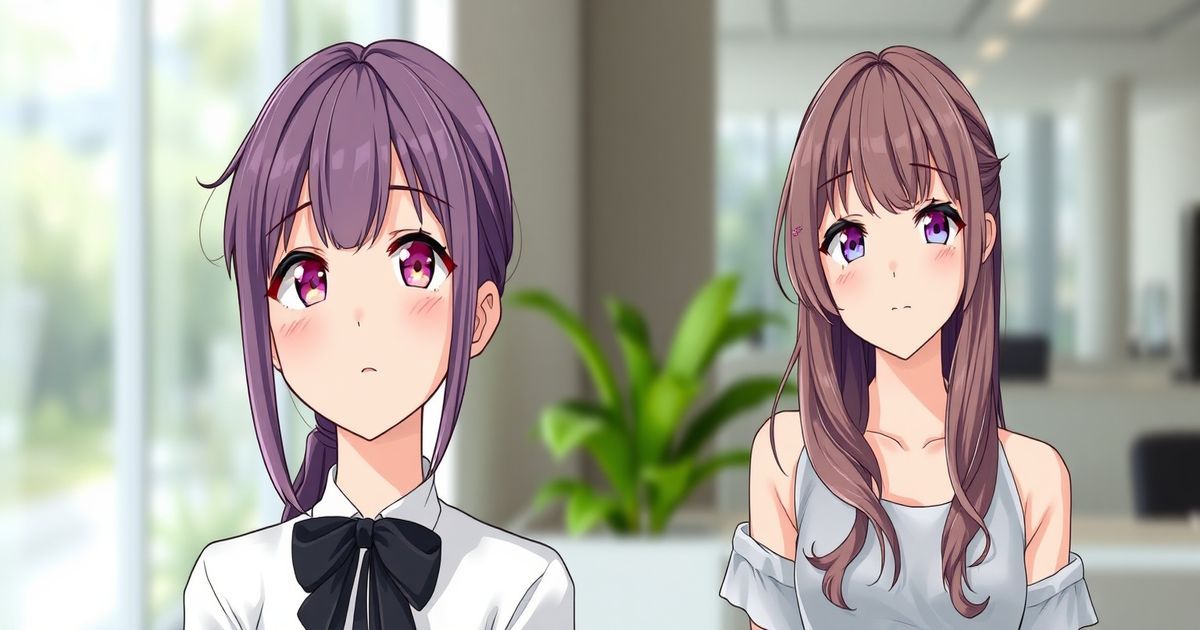
Anime has captivated global audiences for decades, and a significant part of its enduring appeal lies in its visually striking character designs. Among the most memorable elements are the anime hairstyles – those vibrant, gravity-defying, and often symbolic coiffures that instantly communicate a character’s personality, background, and narrative role. Far from being mere aesthetic choices, these hairstyles are fundamental storytelling tools, blending artistic exaggeration with cultural symbolism to create instantly recognizable icons. Whether it’s the spiky determination of a shonen hero, the elegant cascade of a shojo heroine, or the wild, colorful mane signifying otherworldly power, anime hairstyles are a cornerstone of the medium’s visual language. This article delves deep into the world of anime hairstyles, exploring their design principles, cultural roots, most iconic examples, and how fans can draw inspiration for their own looks or cosplay endeavors. Understanding these elements reveals a fascinating intersection of art, culture, and identity within Japanese animation.
The Art and Function of Anime Hair Design
Anime hairstyles are rarely realistic; they are deliberate artistic constructs designed to maximize visual impact and narrative efficiency within the constraints of animation. Key characteristics define this unique style. Exaggeration is paramount – hair is often impossibly voluminous, flows with unnatural grace, or defies physics with sharp, geometric spikes. Color plays a crucial symbolic role, moving far beyond natural hues. Bright blues, vibrant pinks, electric greens, and pure whites are commonplace, each color often carrying specific connotations: blue for calmness or otherworldliness, red for passion or danger, silver for wisdom or alien nature. The shape and movement of the hair are equally important. Sharp angles might indicate aggression or intensity, while soft, flowing locks suggest gentleness or grace. Hair can also serve as a visual metaphor; wild, untamed hair often signifies a free spirit or chaotic energy, while meticulously styled hair might denote discipline or social status. According to Wikipedia’s entry on anime, the distinct visual style, including exaggerated features like hair, evolved partly from post-war economic constraints, favoring bold lines and simplified forms that were cheaper to animate, but ultimately became a defining artistic signature. This intentional stylization allows creators to convey complex character traits and emotions at a single glance, making anime hairstyles an indispensable element of visual storytelling. The design process often involves considering how the hair interacts with the character’s silhouette, costume, and the overall mood of the scene, ensuring it contributes cohesively to the narrative.
Iconic Examples and Their Meaning
Countless anime hairstyles have become ingrained in popular culture, instantly evoking the characters they belong to. These styles are rarely arbitrary; they are carefully chosen to reflect the character’s journey, personality, or thematic role. Consider these legendary examples:
- Son Goku (Dragon Ball Series): The quintessential spiky, gravity-defying black hair is synonymous with boundless energy, untamed potential, and relentless determination. Its constant state of “spikiness” visually represents his never-give-up attitude and immense power, especially when charged with energy (like during Super Saiyan transformations where it turns golden and stands even more rigidly).
- Sailor Moon (Sailor Moon): Usagi Tsukino’s iconic odango (buns) are more than cute; they symbolize her initial childishness and clumsiness. As she matures into the heroic Sailor Moon, the buns remain, but their presentation becomes more polished, reflecting her growth while retaining her core innocence and approachability. The bright yellow color signifies hope and optimism.
- Lelouch vi Britannia (Code Geass): Lelouch’s sharp, dark purple hair, often styled with a distinctive forelock, perfectly mirrors his calculated intellect, strategic brilliance, and hidden intensity. The color purple traditionally denotes nobility and mystery, fitting his dual identity as a prince and revolutionary leader. The precise style reflects his controlled exterior, masking deep emotional turmoil.
- Spike Spiegel (Cowboy Bebop): Spike’s messy, dark greenish hair, often partially obscuring one eye, embodies his laid-back, mysterious, and slightly melancholic persona. It suggests a carefree attitude masking a troubled past, fitting the show’s noir and jazz influences. The unconventional color adds to his unique, slightly offbeat charm.
These examples showcase how anime hairstyles function as visual shorthand. They immediately tell the audience about the character before a single line of dialogue is spoken, leveraging color psychology, shape language, and cultural associations. For deeper insights into character design evolution, explore our resources.
Cultural Significance and Evolution
The roots of anime hairstyles extend beyond pure artistic whimsy into Japanese cultural traditions and societal norms. Traditional Japanese aesthetics, such as wabi-sabi (finding beauty in imperfection) and ma (the use of negative space), influence the overall composition, but the hair itself often draws from historical periods like the Edo era, where elaborate hairstyles denoted social status and marital status (e.g., the nihongami style). Modern anime hairstyles frequently reinterpret these historical elements with a fantastical twist. Furthermore, the concept of kawaii (cuteness) heavily influences styles, particularly in shojo and slice-of-life genres, leading to soft, rounded shapes, pastel colors, and decorative accessories like ribbons or hairpins. The evolution of anime hairstyles also mirrors technological advancements in animation. Early cel animation favored simpler, solid-color styles for ease of production, while the digital age allows for incredibly intricate details, gradients, and dynamic movement, enabling more complex and expressive hair designs. As noted by Britannica’s overview of Japanese art, Japanese visual culture has a long history of stylization and symbolic representation, principles deeply embedded in anime’s DNA. The global spread of anime has also led to a fascinating cross-pollination, where Western audiences interpret these styles through their own cultural lenses, sometimes leading to new trends or misunderstandings about the original symbolism. Understanding this cultural context is key to appreciating the depth behind seemingly fantastical hair.
Bringing Anime Inspiration to Reality
While replicating the exact physics-defying styles of anime hairstyles is impossible, fans can draw significant inspiration for real-world looks or cosplay. The key is focusing on the essence – the color palette, the shape, the texture, and the overall feeling – rather than literal duplication. Here’s how to adapt the magic:
- Embrace Bold Color (Strategically): Instead of full neon green, consider vibrant highlights, pastel dyes, or temporary color sprays in shades inspired by your favorite character. Ombre effects can mimic the gradient looks common in anime.
- Focus on Shape and Volume: Use teasing, backcombing, volumizing products, or strategic layering to create the illusion of height, width, or specific geometric shapes (like soft spikes or rounded buns). Hair extensions can add necessary length or volume for dramatic styles.
- Texture is Key: Anime hair often has a distinct texture – super smooth, wildly frizzy, or impossibly shiny. Use gels, mousses, or texturizing sprays to achieve a similar effect, even if scaled down. For cosplay, wigs are invaluable for achieving the precise shape and color.
- Accessorize Thoughtfully: Ribbons, hairpins, headbands, and even small props (like Goku’s Power Pole hair tie) are crucial details that instantly signal the character reference. Choose accessories that complement the color scheme and style.
Remember, the goal isn’t perfection but capturing the spirit. Experimentation is encouraged! For practical wig styling tips and product recommendations, visit here.
Conclusion: More Than Just Hair
Anime hairstyles are a vital, dynamic component of the medium’s visual storytelling power. They transcend simple decoration, serving as potent symbols of character identity, emotional state, and cultural context. From the symbolic use of color and shape to the deep roots in Japanese aesthetics and their evolution alongside animation technology, these styles offer a rich field for appreciation. Whether you’re an avid fan seeking to understand the artistry behind your favorite characters, a cosplayer aiming for authentic replication, or simply someone drawn to bold fashion statements, the world of anime hairstyles provides endless inspiration. They remind us that in the realm of animation, even the most fantastical elements are often grounded in deliberate artistic choices meant to communicate something profound. So next time you watch an anime, take a moment to truly see the hair – it’s telling you a story all its own. Ready to explore your favorite styles in more detail? Dive deeper into the art of character design and find your perfect inspiration on our site today.