
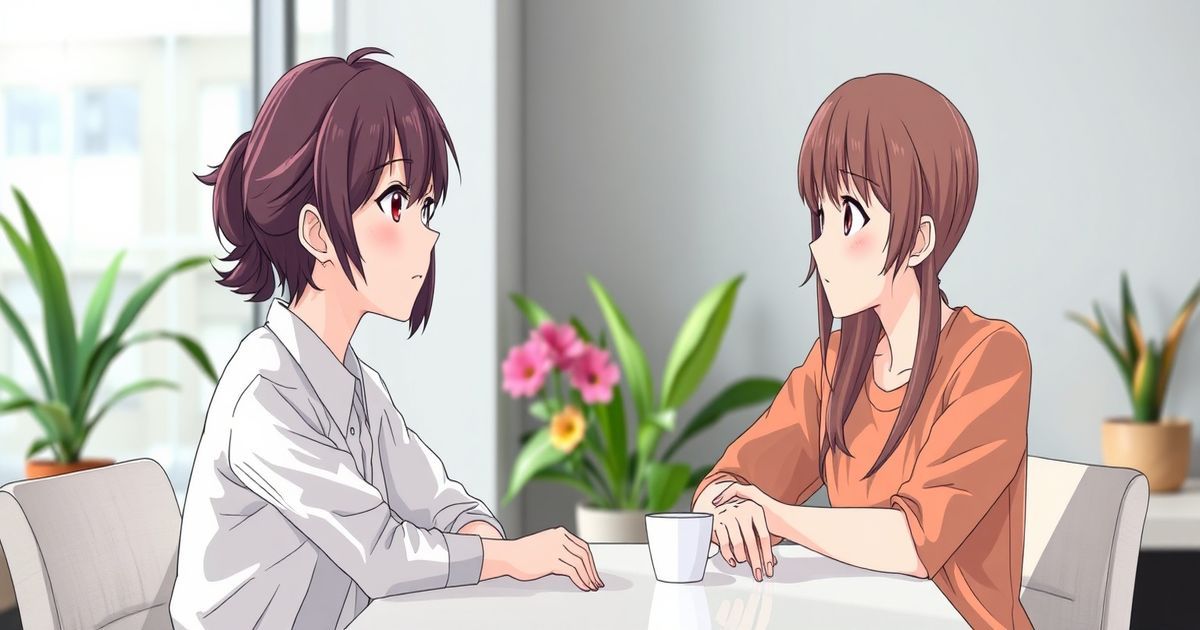
The world of Japanese animation has gifted us countless unforgettable stories, but few genres resonate as deeply as anime love. This captivating category transcends cultural barriers, offering viewers emotionally charged narratives about connection, vulnerability, and the universal search for companionship. From innocent high school crushes to epic, soul-stirring romances spanning galaxies, anime love masterfully blends artistic expression with raw human emotion. What makes these stories so compelling? They transform abstract feelings into visual poetry—using cherry blossoms to symbolize fleeting moments, lingering glances to convey unspoken longing, and dramatic confrontations to explore love’s complexities. Whether you’re new to anime or a seasoned fan, understanding anime love unlocks a richer appreciation for how animation can mirror our deepest desires. In this guide, we’ll explore why these narratives endure, spotlight iconic series, and help you navigate the heartwarming (and heart-wrenching) world of animated romance.
What Defines Anime Love? More Than Just Romance
Anime love isn’t merely about grand gestures or fairy-tale endings—it’s a nuanced exploration of human connection that often prioritizes emotional authenticity over cliché. Unlike Western romantic comedies, anime frequently delves into the process of falling in love: the awkward first encounters, the internal struggles of self-doubt, and the quiet moments where love quietly takes root. This genre thrives on mono no aware—a Japanese concept appreciating life’s ephemeral beauty—making even bittersweet endings profoundly moving. For instance, a simple scene of characters sharing umbrella in the rain might convey more intimacy than a lavish proposal in live-action. Crucially, anime love often challenges societal norms, featuring LGBTQ+ relationships in series like Bloom Into You or unconventional bonds in Your Lie in April, where music becomes a language of affection. According to Wikipedia, romance anime has evolved from 1970s shoujo classics to today’s diverse narratives, reflecting shifting cultural attitudes toward love and identity. What unites them all is a commitment to emotional honesty—whether exploring unrequited love in Kimi ni Todoke or the healing power of partnership in Clannad: After Story. This depth transforms anime love from entertainment into a mirror for our own experiences.
Why Anime Love Resonates Across Cultures
The global appeal of anime love lies in its ability to universalize intimate emotions through distinctive artistic techniques. Anime creators amplify feelings through visual metaphors: cherry blossoms representing transient beauty, rain symbolizing emotional cleansing, or exaggerated facial expressions conveying joy so intense it borders on tears. These stylistic choices bypass language barriers, making stories accessible worldwide. Psychologically, viewers often project their own experiences onto these narratives—a phenomenon called parasocial interaction—where fictional relationships feel personally meaningful. Research from institutions like the National Institutes of Health suggests that emotionally resonant stories can reduce loneliness by providing safe spaces to process complex feelings. Furthermore, anime love frequently centers on growth through relationships, as seen in Toradora! where two socially awkward teens help each other mature. This focus on mutual support rather than “soulmate” tropes offers healthier relationship models. The genre also excels at balancing humor and heartbreak—like My Love Story!!‘s oafish protagonist expressing devotion through grand, clumsy gestures—proving that anime love isn’t about perfection but authenticity. Ultimately, these stories validate our vulnerabilities, reminding us that love’s journey matters more than its destination.
Top 5 Anime Love Stories That Define the Genre
Certain series have become cultural touchstones for their masterful portrayal of romance. Here are essential titles that showcase anime love at its most compelling:
- Your Lie in April – A pianist rediscovers his passion through a free-spirited violinist, blending music with a love story about healing from grief. Its emotional climax redefines how animation conveys sorrow and hope.
- Bloom Into You – A groundbreaking yuri series exploring a girl’s journey to understand her sexuality while navigating high school romance, praised for its sensitive handling of LGBTQ+ themes.
- Clannad: After Story – Transitions from high school romance to adult parenthood, delivering one of anime’s most devastating yet beautiful portrayals of enduring love amid life’s hardships.
- Kaguya-sama: Love is War – A comedic battle of wits between two geniuses too proud to confess their feelings, proving anime love thrives on intellectual chemistry as much as passion.
- A Silent Voice – Though a film, its exploration of redemption through love—connecting a former bully with a deaf classmate—showcases how anime love can drive profound personal change.
These works demonstrate the genre’s range, from tear-jerking dramas to laugh-out-loud rom-coms. For deeper analysis of character dynamics and thematic depth, explore our resources at AnimeCX.
The Evolution of Romance in Anime: From Tropes to Transformation
Romance in anime has undergone remarkable shifts since Rose of Versailles (1979) established shoujo conventions. Early works often featured passive heroines and idealized “prince charmings,” but modern series increasingly subvert these tropes. The 2000s saw Fruits Basket challenge gender norms with its zodiac-based relationships, while recent hits like Horimiya emphasize realistic, equal partnerships. Technological advancements also transformed storytelling: digital animation allows for subtler emotional cues—like the trembling of a hand during a confession scene—that hand-drawn eras couldn’t achieve. Culturally, globalization influenced narratives; My Dress-Up Darling (2022) blends traditional craftsmanship with contemporary dating culture, reflecting Japan’s evolving social landscape. Crucially, anime love now embraces diversity: Wotakoi: Love is Hard for Otaku normalizes nerdy relationships, and Given explores queer love with unprecedented tenderness. This progression mirrors real-world conversations about consent, communication, and emotional labor—proving the genre’s relevance. As noted by scholars on Britannica, anime’s adaptability ensures anime love remains a dynamic reflection of societal change, continually redefining what romance can look like.
How to Deepen Your Appreciation of Anime Love
Fully experiencing anime love requires more than passive viewing—it invites active emotional engagement. Start by analyzing visual storytelling: notice how color palettes shift during romantic moments (soft pinks for tenderness, cool blues for longing) or how camera angles emphasize vulnerability. Pay attention to ma—the intentional use of silence—which often speaks louder than dialogue in scenes of unspoken affection. Contextual knowledge also enriches understanding; learning about amae (dependence on another’s goodwill) explains why characters in Nana cling to toxic relationships. For newcomers, we recommend:
- Start with genre hybrids like Your Name (romance/fantasy) to ease into emotional complexity
- Join fan communities to discuss symbolism—Reddit threads often decode hidden metaphors in shows like Rascal Does Not Dream of Bunny Girl Senpai
- Compare adaptations—manga source material versus anime can reveal creative choices amplifying romantic tension
Remember, anime love thrives on patience. Unlike fast-paced Western rom-coms, it often builds connections gradually, rewarding viewers who savor small moments. To discover curated recommendations tailored to your preferences, visit here.
Conclusion: Why Anime Love Endures in Our Hearts
Anime love continues to captivate global audiences because it transforms abstract emotions into tangible, visual poetry. These stories remind us that love isn’t just about grand declarations—it’s found in shared silences, supportive gestures, and the courage to be vulnerable. As societal norms evolve, so does the genre, embracing diverse identities and redefining romance with each new series. Whether you’re moved by the tragic beauty of Your Lie in April or the comedic charm of Kaguya-sama, anime love offers a unique lens to examine our own relationships. In a world often dominated by cynicism, these narratives reaffirm love’s transformative power—proving that even animated characters can teach us profound truths about the human heart. Ready to embark on your own journey? Explore timeless classics and emerging hits to find the anime love story that speaks to you. Start watching today, and let these unforgettable tales remind you why love, in all its forms, remains animation’s most enduring magic.