
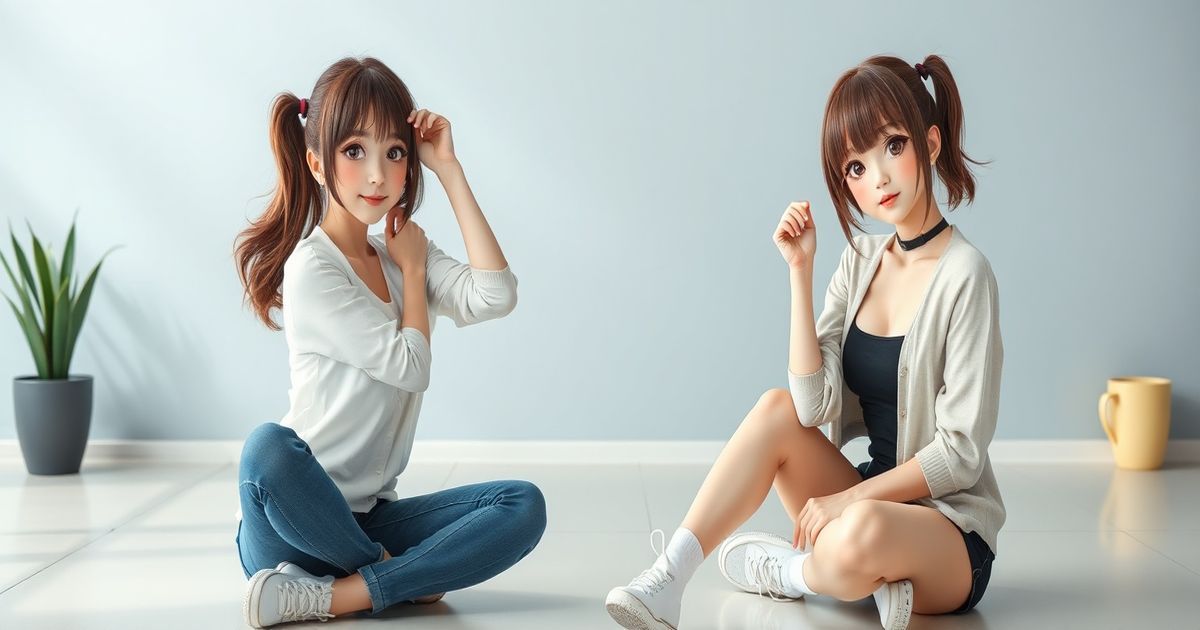
Creating compelling anime characters hinges on one often underestimated element: anime poses. These aren’t just static positions; they’re dynamic storytelling tools that convey emotion, power, vulnerability, and narrative momentum. Whether you’re a budding mangaka, a digital artist, or an anime enthusiast diving into fan art, understanding how to craft and utilize effective anime poses transforms flat illustrations into living, breathing characters that leap off the page. In 2026, as anime’s global influence continues to surge, mastering pose design is more crucial than ever for standing out in a saturated creative landscape. This guide dives deep into the anatomy, psychology, and practical application of anime poses, providing you with the knowledge to elevate your artistry from good to unforgettable.
Understanding Anime Poses: The Foundation of Character Expression
Anime poses are far more than simple body positions; they are the visual language through which characters communicate without words. Rooted in the exaggerated aesthetics of Japanese animation and manga, these poses leverage principles like ma (negative space), dynamic angles, and symbolic gestures to amplify emotional resonance. Unlike realistic art, where subtlety often reigns, anime poses embrace theatricality—think of Goku’s iconic “Kamehameha” stance or Sailor Moon’s transformation sequence. These moments aren’t just visually striking; they encode cultural narratives and character archetypes. For instance, a character standing with hands on hips radiates confidence (a “power pose”), while slumped shoulders and downward gaze signal defeat. Understanding this symbolism is key to intentional pose design. According to Wikipedia, anime’s visual language evolved from early 20th-century Japanese art and Western animation, creating a unique hybrid style where poses serve as emotional shorthand. When crafting anime poses, artists must consider how each angle, limb placement, and facial expression works synergistically to tell a micro-story. Ignoring this holistic approach results in stiff, lifeless characters that fail to engage viewers. Mastery begins with recognizing that every pose is a deliberate choice in service of the narrative.
Why Anime Poses Matter: Beyond Aesthetic Appeal
The impact of well-executed anime poses extends far beyond visual appeal—they are fundamental to character development and audience connection. In fast-paced anime series, where screen time is limited, a single pose can instantly communicate a character’s personality, status, or emotional state. Consider how Lelouch vi Britannia’s calculated hand gestures in Code Geass telegraph his strategic genius, or how Naruto’s energetic, forward-leaning stances embody his relentless optimism. These poses become visual motifs that audiences associate with the character’s essence. Poorly designed poses, conversely, can undermine even the strongest storylines. A hero standing rigidly during a climactic battle feels unconvincing, while a villain’s menacing posture loses impact if it lacks weight or intentionality. Furthermore, anime poses drive viewer immersion. Dynamic angles—like Dutch tilts or extreme low/high perspectives—create kinetic energy that mimics the motion of animation, making static illustrations feel alive. This is especially vital in 2026, as digital platforms demand art that captures attention within seconds. Artists who treat poses as mere afterthoughts risk creating forgettable work, while those who prioritize pose design build characters that resonate culturally. As the Encyclopædia Britannica notes, manga’s global success hinges on its ability to convey complex emotions through economical visual cues—a principle that directly applies to pose construction.
Key Elements of Dynamic Anime Poses
Creating memorable anime poses requires balancing multiple technical and artistic elements. Below are the non-negotiable components that transform basic sketches into compelling compositions:
- Line of Action: A single, flowing curve that guides the eye through the pose (e.g., a diagonal spine in an action stance). This creates movement and prevents stiffness.
- Weight Distribution: How the character’s center of gravity is positioned—leaning forward suggests urgency, while balanced weight implies calm. Ignoring this makes poses feel “floaty” and unrealistic.
- Exaggerated Proportions: Anime often elongates limbs or enlarges eyes for emotional impact. A running pose might feature oversized strides to emphasize speed.
- Negative Space: Intentional emptiness around the character (e.g., wind effects or dynamic hair) that enhances focus on the pose’s energy.
- Facial Synchronization: The expression must align with the body language. A clenched fist paired with a smile creates dissonance that confuses viewers.
Mastering these elements allows artists to craft poses that feel intentional and alive. For example, a “defeated” pose might combine a curved line of action (slumped shoulders), uneven weight distribution (leaning on one leg), and tear-shaped negative space. Practice breaking down iconic scenes from series like Attack on Titan or My Hero Academia to see these principles in action. Remember, anime poses thrive on controlled exaggeration—push boundaries, but maintain internal logic. If you’re struggling, explore our resources for pose reference libraries and breakdowns of professional works.
Step-by-Step Guide to Creating Your Own Anime Poses
Developing original anime poses doesn’t require innate talent—it’s a learnable process. Follow these steps to build confidence and creativity:
- Define the Emotion/Action: Start with a clear intent. Is your character triumphant, fearful, or curious? Write a one-sentence narrative (e.g., “A warrior bracing for impact”).
- Sketch the Line of Action: Draw a loose, dynamic curve representing the pose’s core movement. This is your structural backbone.
- Block in Major Masses: Use simple shapes (ovals for heads, cylinders for limbs) to establish proportions and weight. Exaggerate key features—e.g., longer legs for speed.
- Refine Gesture and Flow: Add secondary curves to limbs and torso to enhance fluidity. Ensure no body part feels “stuck” or disconnected.
- Incorporate Exaggeration: Amplify one element for impact—sweeping hair, oversized hands, or dramatic foreshortening. Avoid overdoing it; subtlety in one area balances boldness elsewhere.
- Add Details and Context: Finalize facial expressions, clothing folds, and environmental cues (e.g., wind lines) that support the pose’s story.
This methodical approach prevents common pitfalls like “floating” characters or disjointed anatomy. Practice by redrawing poses from your favorite anime, then gradually introduce original elements. For instance, take Sailor Moon’s “Moon Tiara Action” stance and modify it for a shy character—softening the line of action and adding hesitant hand gestures. Consistent iteration is key; even professionals create dozens of thumbnails before finalizing a pose. As you progress, study how industry leaders like Demon Slayer’s character designers use poses to telegraph personality traits within seconds.
Common Mistakes to Avoid in Anime Pose Design
Even experienced artists stumble with anime poses. Awareness of these pitfalls prevents frustrating plateaus in your development:
- Over-Reliance on References Without Adaptation: Copying poses verbatim stifles originality. Always modify references to serve your unique narrative.
- Ignoring Perspective: Flat, front-facing poses lack depth. Practice 3/4 views or worm’s-eye angles to add dynamism.
- Stiff Joints and Symmetry: Anime thrives on asymmetry. Avoid “T-pose” rigidity by bending elbows/knees and tilting the head.
- Mismatched Emotion and Body Language: A “happy” pose with crossed arms feels contradictory. Audit each element for emotional consistency.
- Neglecting Clothing Dynamics: Flowing robes or tight suits alter how poses read. Sketch fabric movement early in the process.
These errors often stem from rushing the foundational steps outlined earlier. For example, skipping the line of action sketch leads to poses that feel “off” despite accurate anatomy. Another frequent issue is underestimating how anime poses interact with panel composition—in manga, a pose must guide the reader’s eye across the page. Analyze pages from Berserk or One Piece to see how poses create visual pathways. Remember, every great pose balances technical precision with emotional authenticity. If you hit a wall, revisit your initial emotion statement—sometimes the solution lies in clarifying the character’s intent rather than tweaking anatomy.
Elevate Your Skills with Practice and Community
Consistent practice is the ultimate catalyst for mastering anime poses. Dedicate 15 minutes daily to gesture drawing using timed references (apps like Line of Action offer great prompts). Focus on capturing the essence of a pose in 30 seconds before refining details. Join online communities like DeviantArt or ArtStation to share work and receive critiques—constructive feedback exposes blind spots in your approach. Additionally, study real-life movement through dance or sports; the physics of a basketball player’s jump informs believable action poses. For structured learning, consider courses on platforms like Skillshare that break down pose construction. Don’t forget to analyze how anime poses evolve across genres: a shonen battle pose differs radically from a shoujo romance stance in its energy and symbolism. As you grow, experiment with blending styles—perhaps merging JoJo’s Bizarre Adventure’s flamboyance with Your Lie in April’s subtlety. The goal isn’t imitation but developing a personal visual vocabulary. For curated references and advanced techniques, visit here to access our growing library of pose studies and artist interviews.
Conclusion: Your Journey with Anime Poses Starts Now
Mastering anime poses is a transformative skill that bridges technical artistry and emotional storytelling. By understanding their foundational elements—line of action, weight distribution, and intentional exaggeration—you unlock the ability to create characters that resonate deeply with audiences. Remember, every great anime moment relies on poses that feel both dynamic and meaningful, whether it’s a hero’s triumphant leap or a quiet, introspective pause. As you practice, embrace experimentation: push boundaries, learn from mistakes, and infuse your unique perspective into each sketch. The anime landscape in 2026 thrives on innovation, and your mastery of pose design will set your work apart. Start small—redraw a favorite scene, then reimagine it with your twist. With dedication, you’ll move beyond imitation to create poses that tell stories only you can tell. Ready to bring your characters to life? Dive into our exclusive pose tutorials and join a community of artists redefining anime artistry today. Your next iconic pose awaits.