
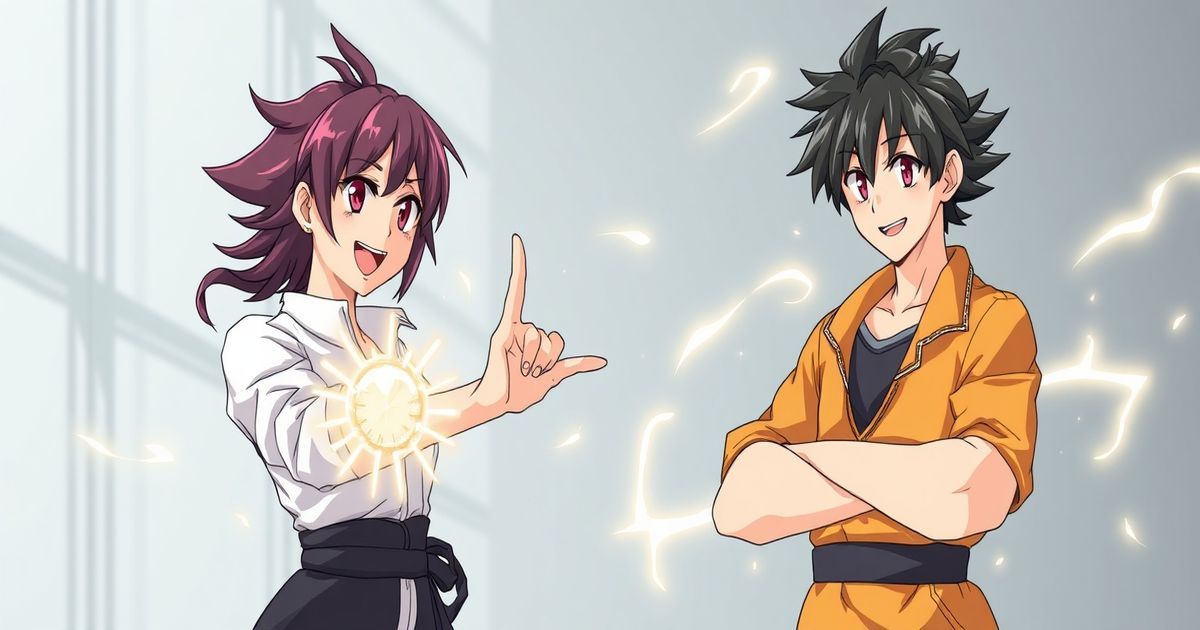
The world of anime captivates millions globally, largely due to its imaginative depiction of extraordinary abilities. Anime powers—superhuman skills, magical energies, or unique combat techniques—serve as the backbone of countless stories, transforming ordinary characters into legendary heroes or formidable villains. These powers aren’t just flashy spectacles; they drive narratives, symbolize personal growth, and reflect cultural philosophies. In 2026, as anime continues to evolve with groundbreaking animation and storytelling, understanding these abilities becomes essential for fans and newcomers alike. Whether it’s Naruto’s chakra manipulation or Goku’s Super Saiyan transformations, anime powers create emotional connections and philosophical depth. This guide dives deep into their mechanics, significance, and enduring appeal, offering fresh insights for the modern era. Prepare to explore how these supernatural elements redefine imagination and resonate across generations.
Understanding Anime Powers: Definition and Core Concepts
Anime powers refer to extraordinary abilities possessed by characters in Japanese animation, often defying real-world physics or biology. Unlike Western superhero tropes, these powers frequently intertwine with spiritual, emotional, or cultural elements unique to Japanese storytelling. For instance, chakra in Naruto combines physical energy with spiritual essence, while One Piece‘s Devil Fruits grant surreal, often ironic abilities rooted in mythical folklore. According to Wikipedia), superpowers in fiction typically serve as metaphors for human potential, and anime amplifies this by embedding powers in themes like perseverance (Naruto), justice (My Hero Academia), or inner conflict (Attack on Titan). Crucially, anime powers rarely exist in isolation—they’re tied to character arcs, moral dilemmas, and world-building. A power’s limitations (e.g., exhaustion, emotional triggers) create tension, making victories hard-earned. This depth transforms simple “super strength” into narratives about responsibility, sacrifice, and identity. As anime grows more global, these powers also adapt, blending traditional Japanese concepts with universal struggles, ensuring their relevance in 2026 and beyond. Understanding this foundation is key to appreciating why anime powers remain central to the medium’s magic.
Iconic Types of Anime Powers and Their Mechanics
Anime powers span a vast spectrum, each with distinct rules and visual flair. These abilities often fall into recognizable categories, though innovative series constantly redefine them. Below are some dominant types:
- Energy Manipulation: Characters harness internal or external energy sources (e.g., Dragon Ball‘s ki, Bleach‘s reiryoku). These powers emphasize control, training, and emotional states—anger might amplify strength but risk loss of focus.
- Elemental Affinities: Control over natural forces like fire (FMA: Brotherhood‘s Alchemy), water (Avatar: The Last Airbender influences), or lightning (Jujutsu Kaisen‘s Gojo Satoru). These often symbolize balance or harmony with nature.
- Reality Warping: Extreme abilities that alter space, time, or perception (e.g., Steins;Gate‘s time travel, JoJo’s Bizarre Adventure‘s Stand powers). These challenge narrative logic, requiring intricate rules to avoid plot holes.
- Physical Enhancement: Superhuman speed, strength, or durability (My Hero Academia‘s One For All). These highlight the body-mind connection, where mental resolve often unlocks greater potential.
- Cursed Techniques: Dark,代价-heavy powers tied to trauma or sacrifice (Jujutsu Kaisen). These explore moral ambiguity, showing how power can corrupt or redeem.
The mechanics behind anime powers are equally vital. Series like Hunter x Hunter meticulously define Nen types (Enhancement, Emission, etc.), creating strategic battles where understanding an opponent’s ability is half the fight. This systematization prevents powers from feeling arbitrary, grounding the fantastical in relatable stakes. For deeper analysis of power systems, explore our resources on narrative design.
Cultural Significance and Symbolism in Anime Powers
Anime powers are rarely mere entertainment—they’re vessels for cultural commentary and philosophical inquiry. Rooted in Shinto, Buddhist, and samurai traditions, many abilities reflect Japanese values like gambaru (perseverance) and wa (harmony). For example, Naruto‘s Rasengan symbolizes the fusion of effort and compassion, while Demon Slayer‘s Breathing Techniques draw from kata (martial forms) that emphasize mindfulness. These powers also address modern societal issues: Attack on Titan uses Titan abilities to explore cycles of violence and propaganda, and Psycho-Pass links psychic powers to critiques of surveillance capitalism. Globally, anime powers resonate because they universalize emotions—fear, hope, ambition—through supernatural metaphors. A character gaining wings (Sailor Moon) might represent self-acceptance, while time manipulation (Your Name) mirrors grief and connection. As noted by Britannica, Japanese animation often uses visual metaphors to convey complex ideas, and powers are prime examples. In 2026, as anime tackles themes like AI ethics (Pluto) or climate anxiety (Weathering With You), anime powers will continue evolving as tools for empathy and reflection, proving their cultural staying power far beyond flashy battles.
The Evolution of Anime Powers in Modern Storytelling (2026)
The landscape of anime powers has shifted dramatically in recent years, driven by technological advances and changing audience expectations. Early classics like Dragon Ball focused on linear power escalation (e.g., Super Saiyan grades), but contemporary series prioritize nuanced, character-driven abilities. Jujutsu Kaisen (2020–present) exemplifies this: its cursed energy system ties power directly to emotional trauma, making battles psychological as much as physical. Similarly, Chainsaw Man subverts expectations by linking power to self-destructive impulses, reflecting Gen Z’s anxieties about burnout. Animation techniques also play a role—2026’s Solo Leveling uses cinematic CGI to visualize “power levels” as immersive, almost tangible forces. Another trend is the deconstruction of power fantasies: series like The Eminence in Shadow mock overpowered protagonists, while Spy x Family balances Anya’s telepathy with childlike vulnerability. These shifts respond to viewers craving depth over spectacle. As streaming platforms globalize anime, creators blend Eastern and Western influences—Dorohedoro mixes body horror with dark comedy, proving anime powers can thrive in hybrid genres. Looking ahead, expect powers to integrate real-world tech metaphors (e.g., neural interfaces in Ghost in the Shell), ensuring they remain dynamic storytelling tools. For trend analyses, visit here to stay updated.
How to Analyze and Appreciate Anime Powers Like a Pro
Fully grasping anime powers requires moving beyond surface-level excitement to examine their narrative and thematic roles. Here’s a step-by-step approach to deepen your appreciation:
- Identify the Power’s Rules and Limitations: Every ability has constraints (e.g., My Hero Academia‘s “quirk” drawbacks). Ask: How do these limits create conflict? What do they reveal about the character’s journey?
- Trace Symbolic Connections: Link powers to broader themes. In Fullmetal Alchemist, equivalent exchange mirrors real-world ethics—power demands sacrifice. Does the ability represent hope, trauma, or societal critique?
- Compare Cross-Series Mechanics: Contrast similar powers across anime. Naruto‘s shadow clones (tactical) vs. One Piece‘s Haki (spiritual resolve) shows how cultural context shapes ability design.
- Evaluate Character Arcs: Powers should evolve with the protagonist. Goku’s growth from Dragon Ball to Super reflects maturity—his strength now protects rather than conquers.
- Consider Visual Storytelling: How is the power animated? Attack on Titan‘s ODM gear sequences use dynamic angles to convey freedom, while Jujutsu Kaisen‘s Domain Expansions are surreal, disorienting experiences.
By applying this framework, you’ll uncover layers that casual viewers miss. Remember, the best anime powers aren’t just cool—they’re integral to why we root for these characters. As anime pushes creative boundaries in 2026, this analytical lens ensures you experience the full emotional and intellectual impact of every battle, transformation, and triumph.
Conclusion: Why Anime Powers Endure in Global Culture
Anime powers transcend mere fantasy—they are cultural artifacts that mirror humanity’s deepest aspirations and fears. From the spiritual depth of Naruto to the psychological complexity of Jujutsu Kaisen, these abilities transform animation into a medium for exploring identity, morality, and resilience. In 2026, as anime dominates global streaming and inspires real-world innovations (like VR training simulations), their influence only grows stronger. The true magic lies in how anime powers make the impossible feel personal: a viewer might see their own struggles in a character’s journey to master their abilities. As storytelling evolves, so will these powers, but their core purpose remains—to challenge, inspire, and connect us across borders. Whether you’re a lifelong fan or new to anime, take a moment to reflect on the powers that moved you. Which ability resonates with your story? Share your favorites with the community, and keep exploring the limitless potential of imagination. For more insights into anime’s evolving landscape, learn more on our site. The adventure never ends—embrace your power today.