
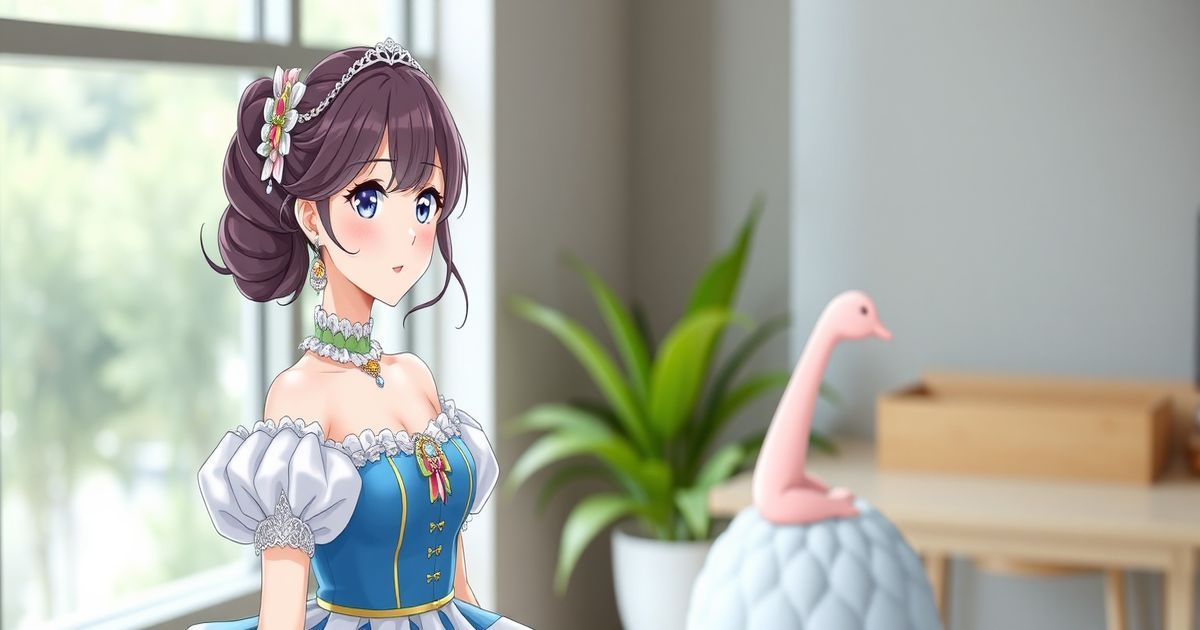
The realm of anime princess characters has captivated global audiences for decades, blending fantasy, emotion, and artistry into unforgettable narratives. These royal figures transcend traditional fairy-tale tropes, evolving from passive damsels to complex heroines who redefine leadership, resilience, and identity. In 2026, the anime princess archetype continues to thrive, reflecting societal shifts and creative innovation across studios worldwide. Whether you’re a lifelong otaku or a newcomer exploring Japanese animation, understanding these characters offers a window into storytelling that balances escapism with profound cultural commentary. This article delves into the essence of the anime princess, tracing their journey from classic tropes to modern masterpieces, and highlighting why they remain indispensable to the anime landscape. Prepare to explore how these royal figures shape dreams, challenge norms, and inspire generations.
Defining the Anime Princess Archetype
An anime princess is far more than a crown-bearing figure confined to palaces. Unlike Western fairy-tale counterparts, these characters often embody multifaceted roles: warriors, leaders, rebels, or even cosmic entities. The core traits include a connection to royalty (birthright, adopted status, or symbolic leadership), a journey of self-discovery, and narrative significance that drives plot and theme. Crucially, the anime princess frequently subverts expectations—think Sailor Moon’s Usagi Tsukino, who transforms from a clumsy schoolgirl into a galaxy-saving leader, or Attack on Titan’s Historia Reiss, whose royal lineage fuels her fight for humanity’s survival. According to Wikipedia, the term “princess” historically denotes nobility, but in anime, it’s reimagined to emphasize agency and growth. Modern iterations prioritize emotional depth over ornamentation, with storylines exploring trauma, duty, and empowerment. This evolution reflects broader cultural conversations about gender roles, making the anime princess a dynamic symbol of change. For deeper analysis of character tropes, explore our resources on narrative design.
Evolution of the Anime Princess Through Decades
The portrayal of anime princess characters has undergone radical transformation since the 1960s. Early examples like Princess Knight (1967) featured gender-bending heroines in corseted adventures, laying groundwork for future complexity. The 1980s–90s “magical girl” boom (Sailor Moon, Cardcaptor Sakura) redefined royalty as accessible power, where ordinary girls inherited celestial duties. By the 2000s, series like Revolutionary Girl Utena deconstructed princess myths entirely, using surreal symbolism to critique societal expectations. Today’s anime princess narratives prioritize intersectionality—Demon Slayer’s Nezuko Kamado, though not royalty, embodies regal resilience through her quiet strength, while The Apothecary Diaries’ Maomao uses intellect over lineage to navigate palace intrigue. This progression mirrors global shifts toward inclusive storytelling, where “princess” signifies inner sovereignty rather than birthright. Studios now collaborate with cultural consultants to avoid stereotypes, ensuring characters like Moana (though Disney) inspire anime’s own royal heroines. The anime princess has evolved from decorative figures to architects of their destinies, proving that true royalty lies in authenticity.
Iconic Anime Princess Characters You Must Know
Certain anime princess figures have left indelible marks on pop culture. Their influence extends beyond animation, shaping fashion, fan art, and social movements. Here are five timeless examples:
- Sailor Moon (Usagi Tsukino): The quintessential magical girl princess who popularized the “fighting royalty” trope globally. Her journey from crybaby to guardian of love redefined female heroism in the 90s.
- **Cinderella (from Cinderella Boy): A gender-flipped twist where a prince assumes a princess’s identity, exploring themes of identity and empathy rarely seen in classic retellings.
- Hime (from Princess Tutu): A duck transformed into a human princess, symbolizing how true nobility stems from compassion—not crowns. Her ballet-inspired battles blend artistry with emotional depth.
- Elsa (from Frozen, though Disney, heavily anime-influenced)**: While not strictly anime, Elsa’s design and narrative resonated deeply with Japanese creators, inspiring series like Snow White with the Red Hair.
- **Kaguya-sama (from Kaguya-sama: Love Is War): A modern take where “princess” denotes intellectual supremacy. Her strategic mind challenges romantic tropes, proving royalty can be cerebral.
These characters showcase the anime princess’s versatility—from cosmic warriors to psychological masterminds. Their enduring appeal lies in balancing fantasy with relatable struggles, making them role models for diverse audiences. For character deep dives, visit here to join our community discussions.
Cultural Impact Beyond the Screen
The anime princess** phenomenon extends far beyond entertainment, influencing real-world conversations about leadership and representation. Cosplay communities worldwide celebrate these characters through intricate costumes, while conventions like Anime Expo feature panels on “royalty in anime” that draw thousands. Academically, scholars analyze how figures like Spirited Away’s Chihiro (a de facto princess of the spirit world) reflect Japanese mono no aware—the beauty of transience. Globally, the anime princess has become a symbol of soft power; Japan’s government even appointed Doraemon as a cultural ambassador, highlighting how animated royalty fosters international goodwill. According to Britannica, mythology often uses royalty to explore societal values, and anime modernizes this tradition for digital natives. Brands leverage this appeal too—Sanrio’s Hello Kitty embodies “kawaii royalty,” driving a $10B merchandise empire. Crucially, the anime princess challenges Western-centric beauty standards, promoting diversity in features, body types, and narratives. This cultural resonance proves that these characters are not mere escapism but mirrors reflecting our evolving ideals.
How to Appreciate Anime Princess Narratives in 2026
Engaging with anime princess stories today requires mindful viewing to fully grasp their layered messages. Follow these steps to deepen your appreciation:
- Contextualize Historically: Research the era a series was created. Revolutionary Girl Utena (1997) critiqued 90s gender norms, while 2026’s The Demon Prince’s Harem explores polyamory through royal dynamics.
- Analyze Symbolism: Note recurring motifs—crowns representing burden, gardens symbolizing growth. In Snow White with the Red Hair, the protagonist’s hair color signifies defiance against societal expectations.
- Compare Cross-Cultural Tropes: Contrast anime princesses with Disney counterparts. Where Cinderella waits for rescue, Sailor Moon rescues others, highlighting divergent cultural values.
- Engage with Fandom: Join forums or attend virtual panels to discuss character arcs. Sites like MyAnimeList offer episode analyses that reveal hidden depths.
- Support Diverse Creators: Seek out works by female and LGBTQ+ directors, such as Yona of the Dawn’s Mizuho Kusanagi, whose princess narratives prioritize emotional intelligence over romance.
By approaching anime princess content critically, you uncover how these stories address universal themes—courage, identity, and justice—through a uniquely Japanese lens. This mindful engagement transforms passive viewing into an enriching cultural dialogue.
Conclusion: The Timeless Allure of Anime Princess Characters
The anime princess remains a cornerstone of Japanese animation, continuously adapting to resonate with new generations. From their roots in folklore to their current status as symbols of empowerment, these characters prove that royalty in anime is less about thrones and more about the strength to rise. As we navigate 2026, the anime princess continues to inspire through stories that balance spectacle with substance, reminding us that true leadership stems from vulnerability and vision. Whether you’re revisiting classics like Sailor Moon or discovering fresh takes in The Apothecary Diaries, there’s never been a better time to embrace this enchanting archetype. Dive into your next adventure, and let these royal heroines guide you toward your own moment of transformation. Ready to explore more? Check out our website for curated recommendations and exclusive content!