
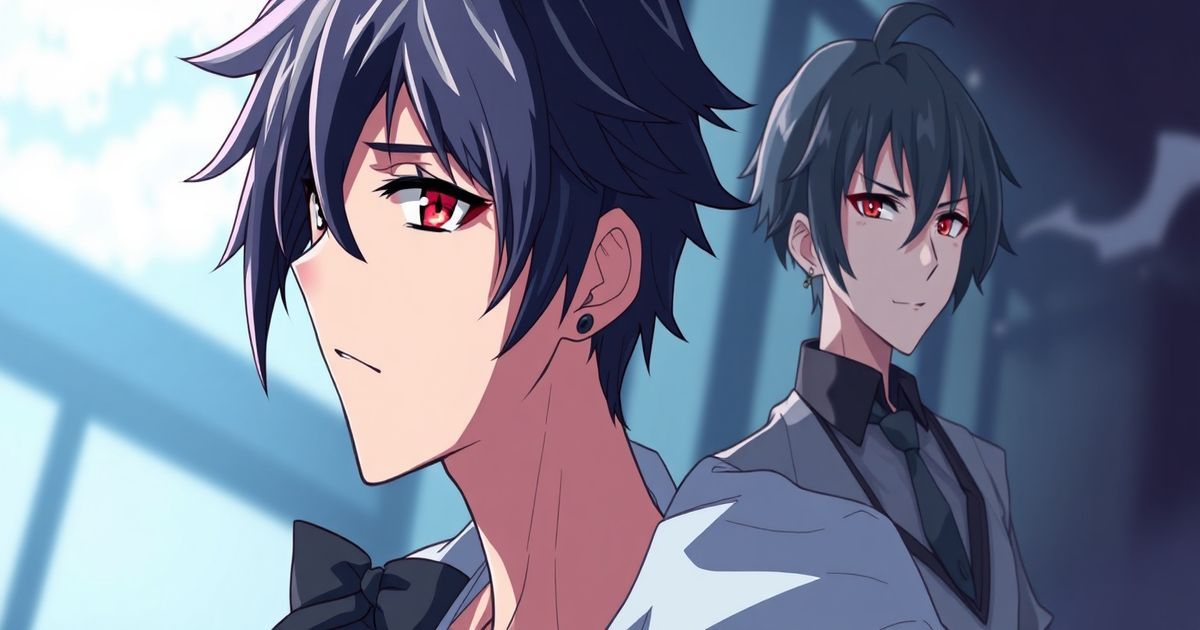
The allure of the anime vampire has transcended mere horror tropes to become a cornerstone of Japanese storytelling, blending gothic romance, psychological depth, and visceral action. Unlike their Western counterparts often bound by rigid folklore, anime vampires are dynamic, complex figures reflecting societal anxieties, desires, and moral ambiguities. From tragic anti-heroes to seductive predators, they inhabit narratives that explore immortality’s curse, the thirst for power, and the struggle between humanity and monstrous nature. In 2026, the genre continues to evolve, offering fresh takes on timeless themes that resonate with global audiences seeking more than just supernatural scares. This article dives deep into the captivating world of the anime vampire, examining its unique characteristics, evolution, must-watch series, and enduring cultural impact. Whether you’re a seasoned fan or new to the genre, understanding the anime vampire is key to appreciating modern anime’s richness.
Defining the Anime Vampire: Beyond the Fangs
The anime vampire is a distinct archetype, often diverging significantly from traditional Bram Stoker-inspired lore. While retaining core elements like blood consumption and aversion to sunlight, anime frequently reimagines weaknesses, origins, and societal structures. Sunlight might cause severe burns rather than instant death, holy symbols could be irrelevant, and bloodlust is often portrayed as a profound psychological struggle rather than a simple biological imperative. Crucially, anime vampires are rarely one-dimensional monsters. They are frequently protagonists or deeply nuanced antagonists, burdened by centuries of existence, grappling with loneliness, guilt, or the ethical implications of their nature. Series like Hellsing present vampires as powerful, almost god-like beings, while Vampire Knight explores the intricate politics and emotional turmoil within vampire societies coexisting with humans. This complexity allows creators to use the vampire metaphor to tackle themes like addiction, discrimination, the search for identity, and the cost of power. According to Wikipedia, the core concept remains, but anime liberates it from strict historical constraints, fostering unique narrative possibilities. The anime vampire thrives on this ambiguity, making them perpetually fascinating subjects for character-driven stories.
Evolution of Vampire Tropes in Japanese Animation
The portrayal of vampires in anime has undergone a remarkable transformation since their early appearances. Pioneering works like Dororon Enma-kun (1970s) featured more traditional, monstrous vampires. However, the 1980s and 1990s saw a shift towards greater complexity, influenced by both global gothic literature and Japan’s own yokai folklore. Vampire Hunter D (1985) set a high bar with its brooding, aristocratic dhampir protagonist and lush, atmospheric world-building, establishing the template for the tragic, stylish vampire hero. The late 1990s and 2000s exploded with diverse interpretations: Trinity Blood offered a sci-fi twist with genetically engineered vampires in a post-apocalyptic Europe, Black Blood Brothers focused on clan warfare and sibling bonds, and Shiki delivered a slow-burn, psychologically intense horror experience centered around a village infestation. This era solidified the trend of vampires as central, relatable figures rather than mere background monsters. The 2010s and beyond have seen further diversification, incorporating elements of romance (Vampire Knight), action-comedy (Rosario + Vampire), and even slice-of-life (Karakai Jouzu no Takagi-san features a vampire character in a comedic context). This evolution reflects changing audience tastes and a willingness to subvert expectations, ensuring the anime vampire remains a vibrant and adaptable genre staple. For deeper historical context, Wikipedia’s anime entry provides valuable insights into the medium’s development.
Must-Watch Anime Vampire Series for 2026
With countless titles available, pinpointing the essential anime vampire experiences can be daunting. Here are standout series that define the genre’s breadth and depth, perfect for both newcomers and seasoned fans seeking quality in 2026:
- Hellsing Ultimate (2006): An absolute masterpiece of dark fantasy action. Follow the Hellsing Organization and its ultimate weapon, the vampire Alucard, as they battle Nazi vampire legions. Renowned for its brutal violence, complex characters (especially the terrifyingly powerful Alucard), and unflinching exploration of violence and morality. A cornerstone of the anime vampire pantheon.
- Vampire Knight (2008): A gothic romance centered on Yuki Cross, caught between the human and vampire worlds at Cross Academy. Explores themes of love, identity, and prejudice through intricate relationships and a compelling love triangle. Its focus on emotional drama and vampire society politics makes it a quintessential entry point.
- Shiki (2010): A slow-burn psychological horror masterpiece. When a mysterious family moves into a secluded village, residents begin dying under strange circumstances. Shiki masterfully builds dread, questions the nature of humanity versus monstrosity, and delivers profound philosophical undertones alongside its horror. A must for fans of cerebral anime vampire narratives.
- Seraph of the End (2015): Set in a post-apocalyptic world where vampires rule over surviving humans, this series follows Yuichiro Hyakuya, a human slave who joins the Japanese Imperial Demon Army to fight back. Blends intense action, complex world-building, and explores themes of rebellion, loyalty, and the blurred lines between oppressor and oppressed within the anime vampire framework.
- The Vampire Dies in No Time (2021): A refreshing comedic take. A legendary vampire hunter, Ronald, is constantly thwarted by the incredibly resilient (and dim-witted) vampire Draluc, who regenerates from almost any injury. Offers hilarious slapstick and heartwarming odd-couple dynamics, proving the anime vampire genre can excel in comedy.
These series showcase the incredible range possible within the anime vampire concept. For more curated recommendations and deep dives into character analyses, explore our resources at AnimeCX.
Why Anime Vampires Captivate Global Audiences
The enduring global popularity of the anime vampire stems from several key factors. Firstly, the genre’s inherent flexibility allows creators to embed profound social commentary. Vampires can symbolize the “other,” exploring themes of xenophobia, discrimination, and the fear of difference – resonating powerfully in our interconnected yet often divided world. The struggle against one’s own monstrous nature mirrors real human battles with addiction, mental health, or societal pressures. Secondly, the aesthetic appeal is undeniable. Anime’s visual style lends itself perfectly to the gothic, the ethereal, and the grotesque. Flowing capes, sharp fangs contrasted against pale skin, dramatic lighting, and stylized action sequences create iconic, memorable imagery that transcends language barriers. Thirdly, the focus on complex character psychology is paramount. Audiences connect with vampires like Alucard (Hellsing), Kaname (Vampire Knight), or Sunako (The Embarrassed Vampire) because their internal conflicts – loneliness, guilt, the thirst for power versus the desire for connection – are deeply human. This emotional depth transforms them from simple monsters into compelling figures we empathize with or fear for understandable reasons. Finally, the blend of genres – horror, romance, action, drama, comedy – ensures there’s an anime vampire story for virtually every taste, constantly reinventing itself to stay relevant. This potent combination of visual style, thematic depth, and character complexity secures the anime vampire‘s place as a beloved and enduring icon of anime culture.
The Enduring Allure of the Bloodsucker
The anime vampire is far more than a creature of the night; it’s a versatile narrative vessel carrying the weight of human experience. From the tragic nobility of Vampire Hunter D to the chaotic energy of The Vampire Dies in No Time, these characters continue to evolve, reflecting contemporary anxieties and desires while retaining their core mystique. Their ability to embody both terror and tenderness, power and vulnerability, makes them uniquely compelling across cultures and generations. As anime production techniques advance and storytelling becomes even more nuanced, we can expect the anime vampire to sink its fangs into new themes and aesthetics, ensuring its relevance for years to come. Whether you seek pulse-pounding action, heart-wrenching romance, or profound philosophical inquiry, the world of anime offers a vampire story perfectly tailored to your thirst. Dive into these timeless tales and discover why the anime vampire remains an undying force in global entertainment. Ready to explore the best selections? Check out our website for the latest reviews, character spotlights, and curated watchlists to fuel your vampire obsession in 2026 and beyond. The night is young, and the stories are waiting.