
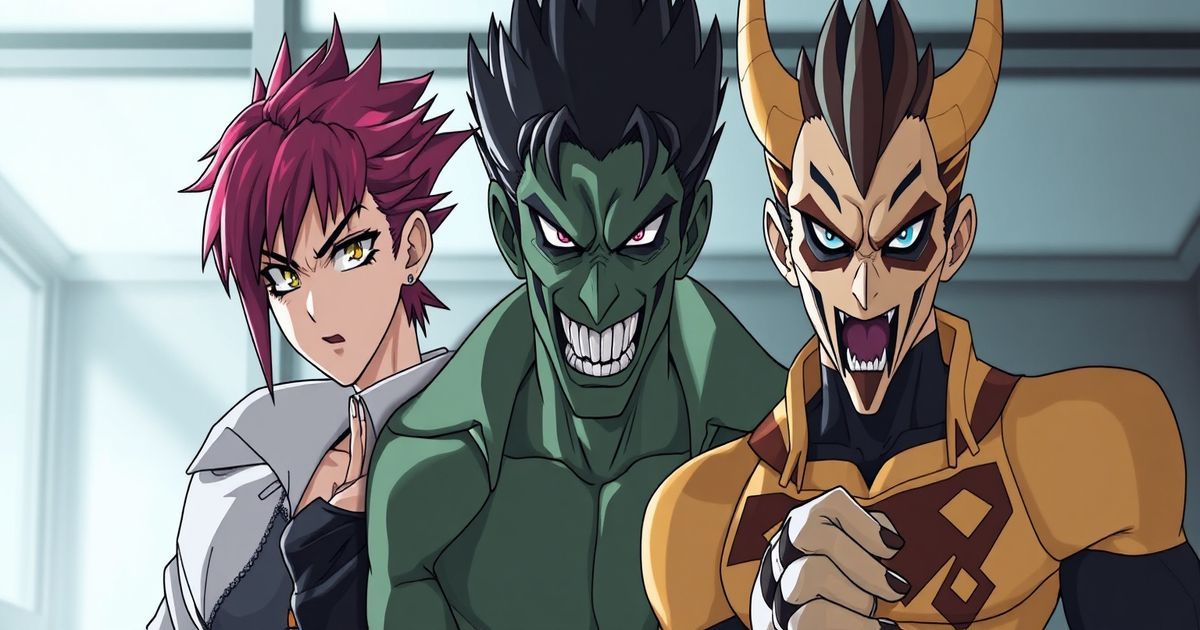
Anime villains are far more than mere obstacles for heroes to overcome. They are the dark mirrors reflecting societal fears, complex psychological explorations, and narrative engines that propel some of the most beloved stories in global pop culture. From cunning masterminds to tragic figures consumed by their own ideals, these antagonists possess depth and charisma that often overshadow the protagonists themselves. Their motivations, backstories, and sheer presence elevate storytelling beyond simple good-versus-evil tropes, creating unforgettable moments that resonate with fans worldwide. Understanding what makes these characters tick isn’t just about appreciating animation—it’s about unraveling the intricate art of narrative design that keeps audiences glued to their screens. This guide delves into the evolution, psychology, and cultural impact of anime villains, proving why they remain central to the medium’s enduring appeal.
The Evolution of Anime Villains: From Simple Foes to Complex Antagonists
The journey of anime villains reflects the maturation of the entire anime industry. Early anime often featured one-dimensional antagonists—cartoonish evil-doers like Dr. Eggman in Astro Boy or the simplistic warlords of 1960s mecha series. Their primary function was to provide clear conflict, embodying pure malice without nuance. However, as anime storytelling grew more sophisticated in the 1980s and 1990s, villains began evolving into multifaceted characters. Take Frieza from Dragon Ball Z: initially a terrifying tyrant, his later exploration of Saiyan history added layers to his cruelty. This shift accelerated with works like Neon Genesis Evangelion, where antagonists like the Angels and even human characters grappled with existential dread rather than mustache-twirling evil.
The 2000s ushered in an era of psychological complexity. Characters like Light Yagami (Death Note) or Johan Liebert (Monster) weren’t just “bad guys”—they were intellectual equals to the protagonists, driven by twisted philosophies that challenged viewers’ morals. This trend continues today, with villains like All For One (My Hero Academia) representing systemic corruption, or the nuanced antagonists in Attack on Titan whose actions stem from understandable, if extreme, traumas. According to Wikipedia, this evolution mirrors global audiences’ growing appetite for morally gray narratives, where the line between hero and villain blurs compellingly. Modern anime villains often force us to question our own values, making their conflicts deeply personal and philosophically rich.
Why Anime Villains Captivate: The Psychology Behind Iconic Antagonists
What transforms a standard antagonist into a legendary anime villain? It’s rarely just about power or menace. Truly iconic villains possess psychological depth that resonates on a human level. Many draw from universal fears: the loss of control (Madara Uchiha’s Infinite Tsukuyomi plan in Naruto), the corruption of idealism (Orochimaru’s pursuit of immortality), or the seduction of absolute order (Aizen’s god complex in Bleach). Their motivations often stem from relatable pain—trauma, betrayal, or a desperate need for recognition—making their descent into darkness tragically understandable.
Crucially, the best villains challenge the protagonist’s worldview, not just their physical safety. Light Yagami forces L to confront the ethics of justice itself, while Hisoka’s (Hunter x Hunter) chaotic games push Gon to question the cost of vengeance. This intellectual and emotional sparring creates dynamic storytelling where victories feel earned and losses carry weight. Furthermore, memorable villains often possess distinct aesthetics and mannerisms—Sesshomaru’s icy elegance, Dio Brando’s flamboyant menace—that cement their place in pop culture. For deeper insights into character archetypes, explore our resources on narrative design. Ultimately, these antagonists endure because they reflect our own inner conflicts, making their battles not just external, but deeply internal struggles we recognize within ourselves.
The Narrative Power: How Villains Shape Storytelling and Character Growth
Anime villains are indispensable narrative engines. Without a compelling antagonist, even the most heroic protagonist can feel directionless. Villains define the stakes, escalate tension, and catalyze the hero’s transformation. Consider how Vegeta’s initial role as a villain in Dragon Ball Z forces Goku to evolve beyond a simple fighter into a strategic warrior. Similarly, the relentless pursuit by the Akatsuki in Naruto pushes the title character to master his inner demon and redefine his understanding of peace. A well-crafted villain doesn’t just create conflict—they create meaningful conflict that drives character arcs forward.
The relationship between hero and villain often reveals core themes of the series. In Fullmetal Alchemist: Brotherhood, Father’s quest for godhood contrasts directly with the Elrics’ belief in human connection and sacrifice, crystallizing the show’s message about the value of imperfection. Villains also serve as dark reflections of the protagonist; All Might and All For One in My Hero Academia represent opposing ideologies about power and society, making their clash emblematic of the series’ central debate. When a villain’s philosophy directly challenges the hero’s, the resolution becomes a profound statement about the narrative’s worldview. This symbiotic relationship ensures that anime villains aren’t just obstacles—they’re essential collaborators in the storytelling process, shaping journeys that resonate long after the final episode.
Top 5 Most Influential Anime Villains of All Time
Certain antagonists transcend their series to become cultural touchstones. Here are five whose impact reshaped the medium:
- Light Yagami (Death Note): A genius whose god complex and belief in “cleansing” the world redefined psychological thrillers in anime. His intellectual duel with L remains a masterclass in cat-and-mouse storytelling.
- Madara Uchiha (Naruto): Embodying the cycle of hatred, Madara’s quest for the “Eye of the Moon” plan forced Naruto to confront the roots of conflict, elevating the series’ thematic depth.
- Aizen Sousuke (Bleach): His calm demeanor, godlike powers, and manipulation of entire organizations made him a benchmark for strategic, cerebral antagonists in shonen anime.
- Johan Liebert (Monster): A villain defined by absence rather than action, Johan’s psychological torment of Tenma explored the nature of evil with chilling subtlety.
- Dio Brando (JoJo’s Bizarre Adventure): With his iconic “WRYYYYY” and flamboyant menace, Dio set the standard for charismatic, over-the-top villains who dominate every scene they inhabit.
These characters endure because they challenge conventions, whether through philosophical depth, visual design, or narrative function. Their influence is evident in countless successors, proving that great villains are timeless.
Essential Traits of a Memorable Anime Villain
What separates forgettable foes from legendary antagonists? While every great villain is unique, several key traits consistently emerge:
- Compelling Motivation: Whether rooted in trauma (Sasuke Uchiha), ideology (Orochimaru), or sheer ego (Frieza), their driving force must feel authentic and relatable, even if extreme.
- Intellectual or Emotional Parity: They should challenge the hero on a level beyond physical combat—forcing moral dilemmas, strategic thinking, or emotional confrontations.
- Distinct Identity: From voice acting to visual design (e.g., Hisoka’s playful menace, All For One’s shadowy presence), their uniqueness makes them instantly recognizable.
- Narrative Necessity: They must serve the story’s themes, not just exist as cannon fodder. A villain like the Titans in Attack on Titan symbolize humanity’s self-destructive nature, making them integral to the plot’s message.
- Charisma and Presence: Even in defeat, they should leave a lasting impression—whether through iconic lines (“Killing you is my happiness,” Dio) or unforgettable moments (Madara’s “Wake up to reality!”).
Villains who master these elements don’t just threaten the hero; they elevate the entire narrative, transforming simple battles into profound explorations of humanity. For more on character development, visit here to analyze storytelling techniques.
Conclusion: The Enduring Allure of Darkness in Animation
Anime villains are the shadowy heartbeat of the medium, proving that true storytelling mastery lies not just in celebrating heroes, but in understanding the darkness they oppose. From their evolution from simplistic foes to psychologically intricate forces, these antagonists have shaped anime into a space where moral ambiguity, philosophical depth, and emotional complexity thrive. They challenge us, reflect our fears, and ultimately make the victories of our favorite heroes meaningful. As anime continues to evolve in 2026 and beyond, the most compelling stories will undoubtedly feature villains who push boundaries and captivate imaginations. Whether you’re revisiting classics or exploring new series, pay close attention to the antagonists—they’re often the true architects of unforgettable journeys. Ready to dive deeper? Check out our website for curated analyses of the greatest villains across anime history and discover why these dark icons remain essential to the art form’s global success.