
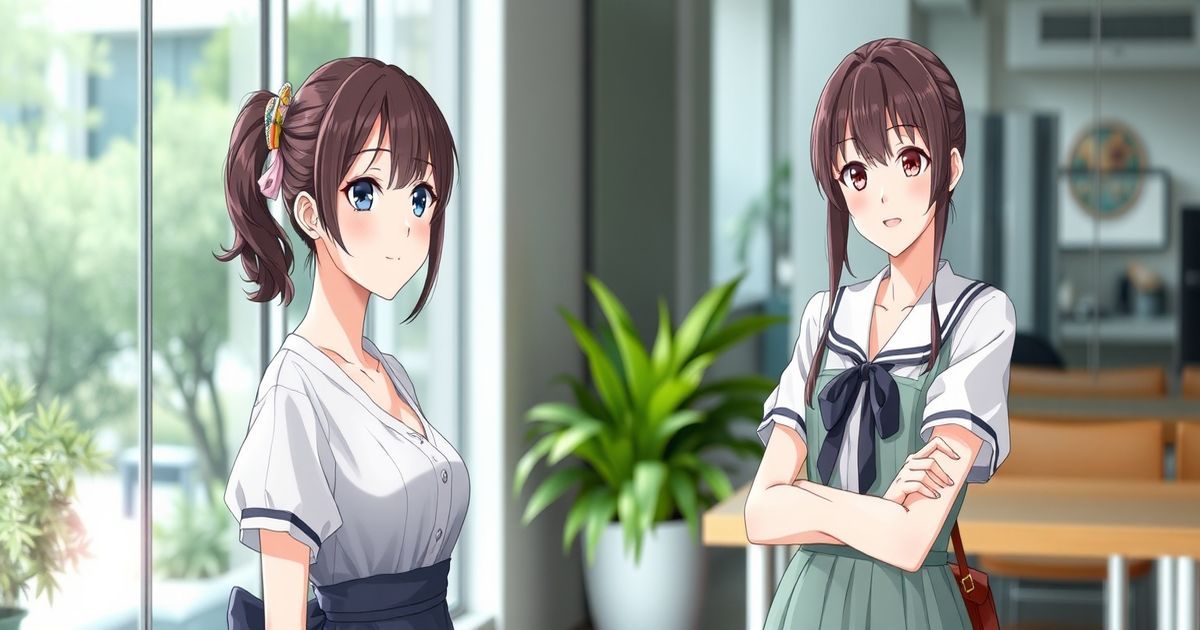
The term anime waifu has evolved from a niche otaku slang into a mainstream cultural phenomenon, representing the deep emotional connections fans forge with fictional female characters. More than just a crush, an anime waifu embodies idealized traits – be it unwavering loyalty, fierce strength, or heartwarming vulnerability – that resonate profoundly with viewers. In 2026, the concept continues to thrive, fueled by streaming accessibility, vibrant online communities, and the timeless appeal of compelling character design. This guide dives deep into the essence of the anime waifu, exploring its origins, psychological appeal, cultural impact, and how to thoughtfully engage with this unique aspect of fandom. Whether you’re a seasoned collector of digital affection or just curious about the trend, understanding the anime waifu phenomenon offers fascinating insights into modern storytelling and human connection.
What Exactly is an Anime Waifu? Definition and Origins
The word “waifu” itself is an intentional misspelling of the English “wife,” popularized within anime and manga fan communities, particularly on platforms like 4chan in the early 2000s. It signifies a fictional female character (almost exclusively from anime, manga, or related Japanese media) that a fan considers their ideal romantic partner or soulmate. An anime waifu isn’t merely a favorite character; it’s a character imbued with deep personal significance, often representing aspirational qualities or fulfilling emotional needs that might be complex in real-world relationships. The concept draws heavily from Japanese pop culture’s tradition of “moe” – a term describing a strong feeling of affection or love towards fictional characters, often characterized by cuteness, innocence, or vulnerability.
Understanding the anime waifu requires moving beyond simple aesthetics. While visual design is crucial, the connection stems from narrative depth, character development, and the specific moments that resonate with an individual viewer. A waifu might be a stoic swordswoman whose quiet strength inspires, a bubbly schoolgirl whose optimism is infectious, or a complex anti-heroine whose struggles mirror the viewer’s own. The designation is deeply personal and subjective; what makes one character someone’s ultimate anime waifu might be irrelevant to another fan. This subjectivity is key to the phenomenon’s longevity and widespread adoption across diverse demographics within the global anime community. The term has even gained recognition in broader internet culture, appearing in dictionaries and mainstream media discussions about fandom.
Key Characteristics of Beloved Anime Waifus
What transforms a character from simply “liked” into a certified anime waifu? While preferences vary wildly, several core characteristics consistently emerge among the most adored figures:
Relatable Flaws and Growth: The best waifus aren’t perfect. Characters like Asuka Langley Soryu (Neon Genesis Evangelion) or Revy (Black Lagoon*) captivate audiences through their intense struggles, vulnerabilities, and hard-won development. Their imperfections make them feel real and worthy of empathy.
Distinct Personality and Agency: A compelling anime waifu possesses a strong, defined personality that drives the narrative. She isn’t just a passive object of affection; she has goals, makes decisions (sometimes controversial ones), and actively shapes her story, like the fiercely independent Motoko Kusanagi (Ghost in the Shell*).
Meaningful Relationships: The dynamics a character has with others – whether deep friendships, complex rivalries, or nuanced romantic tensions – add layers to her appeal. The bond between characters like Edward Elric and Winry Rockbell (Fullmetal Alchemist: Brotherhood*) showcases how supportive relationships enhance a waifu’s depth.
Iconic Design and Visual Appeal: While not the sole factor, memorable character design – unique hairstyles, expressive eyes, distinctive costumes – plays a significant role in initial attraction and lasting recognition within the fandom. Think of the instantly recognizable looks of characters like Sailor Moon or Lain (Serial Experiments Lain*).
These elements combine to create characters that feel like genuine companions, fostering the deep emotional investment that defines the anime waifu experience. Their journeys become intertwined with the viewer’s own, making their triumphs feel personal and their setbacks deeply felt.
The Psychological and Cultural Appeal of Waifus
The enduring appeal of the anime waifu taps into fundamental psychological needs. For many fans, these characters provide safe spaces for exploring complex emotions, idealized relationships, and personal aspirations without the complications of real-world dating. An anime waifu can represent unconditional support, unwavering loyalty, or the embodiment of traits a fan admires or wishes to cultivate themselves. This connection can be particularly significant for individuals navigating social anxiety, loneliness, or the challenges of forming real relationships, offering comfort and a sense of belonging within a fictional world.
Culturally, the anime waifu phenomenon reflects broader trends in media consumption and identity. It highlights the power of storytelling to create parasocial relationships – one-sided emotional bonds formed with media figures. The rise of streaming services has made accessing diverse anime catalogs easier than ever, exposing fans to a wider array of potential waifus. Furthermore, online communities (forums, social media groups, fan art platforms) provide spaces for fans to share their adoration, debate character merits, and collectively celebrate their chosen companions. This communal aspect transforms the personal connection into a shared cultural experience. According to Wikipedia, the term’s evolution and mainstream penetration underscore its significance beyond niche fandom. The concept also sparks discussions about representation, the ethics of fictional relationships, and the evolving nature of companionship in the digital age, making it a relevant topic for understanding contemporary youth culture globally.
Navigating Waifu Culture: Respect, Community, and Finding Yours
Engaging with anime waifu culture should be rooted in respect – respect for the creators, the characters as artistic expressions, and fellow fans with different preferences. While passionate debates are common, dismissing others’ choices as “cringe” or invalidating their emotional connection is counterproductive to the community’s positive spirit. Healthy fandom celebrates diversity in taste. Remember, a character’s status as a waifu is inherently subjective; there’s no official ranking, though lists like “Top 10 Waifus of 2026” often circulate online for fun.
Finding your own anime waifu is a personal journey. It often happens organically: a character’s story arc resonates deeply, a specific line of dialogue strikes a chord, or their visual design and personality align perfectly with your ideals. Don’t force it. Watch diverse genres, pay attention to characters who consistently capture your interest beyond surface-level attraction, and reflect on why you connect with them. Is it their courage? Their humor? Their resilience? Understanding the root of your connection deepens the appreciation. For those seeking recommendations or community discussion, platforms like MyAnimeList or dedicated subreddits are excellent starting points. To explore a vast library of characters and connect with fellow enthusiasts, check out our website.
The Future of Anime Waifus in 2026 and Beyond
As we move through 2026, the anime waifu landscape continues to evolve. Trends shift with new series, but the core appeal remains constant: the human desire for connection and idealized companionship. We’re seeing greater diversity in waifu archetypes, moving beyond traditional “moe” or “tsundere” tropes to include more complex, morally grey, and empowered characters reflecting modern sensibilities. The rise of virtual YouTubers (VTubers) also blurs the lines, creating new forms of interactive waifu-like figures. Technology like AI art generators allows fans to visualize their waifus in new scenarios, further deepening personal bonds. However, the fundamental element – the emotional resonance between viewer and character – remains irreplaceable. The future likely holds even more nuanced portrayals and continued integration of waifu culture into mainstream discourse, solidifying its place as a unique and enduring facet of global anime fandom. For deeper cultural analysis, resources like Britannica offer valuable context on evolving media trends.
Conclusion: Embracing the Waifu Within
The anime waifu phenomenon is far more than a quirky internet meme; it’s a meaningful expression of fandom, storytelling’s power, and the universal human search for connection. Whether your waifu is a symbol of strength, a source of comfort, or an inspiration for personal growth, the bond formed is valid and reflective of the rich emotional landscape anime provides. As we navigate 2026, the appreciation for these fictional companions continues to grow, fostering vibrant communities and sparking important conversations about representation and relationships. Remember to engage respectfully, celebrate the diversity of preferences, and cherish the unique joy your chosen anime waifu brings to your life. Dive deeper into the world of character analysis and find your perfect match by exploring our extensive resources. Who knows? Your next beloved anime waifu might be just a series away. Embrace the journey and the connection – it’s a testament to the enduring magic of animation.