
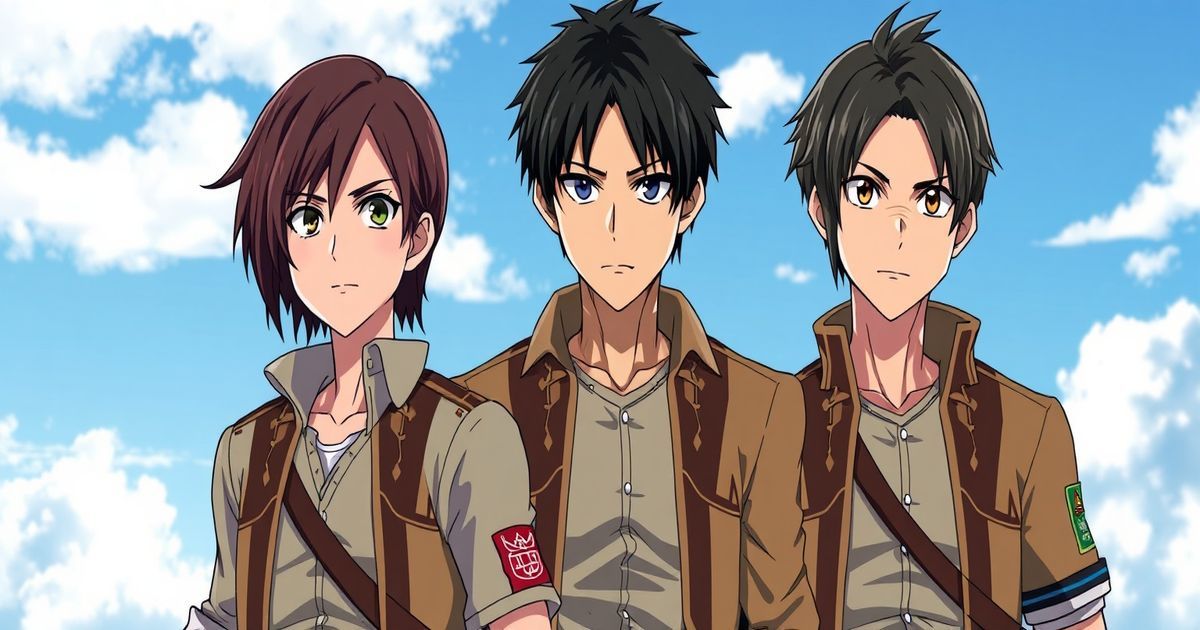
Few anime series have reshaped the landscape of storytelling and character development quite like Attack on Titan. Since its explosive debut, the series has captivated global audiences with its brutal world, high stakes, and, most importantly, its incredibly intricate and morally complex cast. Understanding attack on titan characters is key to unlocking the show’s profound themes of freedom, trauma, war, and the cyclical nature of violence. These aren’t simple heroes and villains; they are deeply flawed individuals shaped by circumstance, ideology, and devastating loss. As we navigate the enduring legacy of the series in 2026, revisiting these iconic figures reveals why Attack on Titan remains a benchmark for narrative depth in modern anime. Whether you’re a seasoned fan revisiting the story or a newcomer curious about its appeal, delving into the psyche and journeys of these characters offers unparalleled insight. The sheer unpredictability and psychological realism embedded within the attack on titan characters set a new standard, proving that even in a world overrun by giants, the human element is the most terrifying and compelling force of all.
The Core Protagonists: Humanity’s Last Hope
At the heart of the Survey Corps’ struggle stand the central protagonists, whose journeys form the emotional core of the narrative. Eren Yeager begins as a fiercely determined boy driven by a singular desire for vengeance against the Titans who destroyed his home and killed his mother. His evolution, however, is the series’ most controversial and masterfully executed arc, transforming from an idealistic hero into a figure embodying the very complexities of freedom and destruction he initially sought to conquer. Mikasa Ackerman, the epitome of loyalty and strength, provides a crucial counterpoint. Her unwavering devotion to Eren, forged in childhood trauma, is both her greatest strength and potential weakness, forcing viewers to question the nature of love and duty in a broken world. Armin Arlert, initially perceived as physically weak but possessing immense strategic intellect and compassion, represents the power of ideas and diplomacy. His growth from a hesitant boy to a pivotal leader underscores the series’ theme that true strength isn’t just physical. Together, this trio, alongside comrades like the stoic Levi Ackerman and the passionate Erwin Smith, form the backbone of humanity’s resistance. Their individual struggles with trauma, guilt, and the burden of leadership make them profoundly relatable despite the fantastical setting. According to Wikipedia, the character dynamics are central to the series’ critical acclaim, highlighting how their personal conflicts mirror the larger societal and political tensions within the narrative. The depth of these attack on titan characters lies in their constant internal battles, making their choices resonate far beyond the battlefield.
The Antagonists: Complexity Beyond Evil
One of Attack on Titan‘s greatest triumphs is its refusal to present antagonists as mere monsters. The true villains are often human, driven by understandable, if ultimately destructive, motivations rooted in history, ideology, and perceived necessity. Reiner Braun and Bertholdt Hoover, initially presented as loyal comrades within the 104th Training Corps, are revealed as the Armored and Colossal Titans. Their internal conflict, torn between their mission and the bonds they formed, is heartbreaking and adds immense moral ambiguity. Zeke Yeager, Eren’s half-brother, is a masterclass in tragic villainy. A victim of severe childhood trauma and manipulation, Zeke develops a radical ideology centered on euthanizing the Eldian race to end their suffering, believing it the ultimate act of mercy. His complex relationship with Eren and his own father, Grisha, drives much of the later narrative conflict. Even figures like the Marleyan government and its military leaders are portrayed with nuance; they are antagonists to the Paradis Islanders but act from a place of national survival and historical grievance, having suffered under Eldian oppression for generations. This intricate web of perspectives forces the audience to constantly reevaluate who the “real” enemy is, dismantling simplistic notions of good versus evil. The brilliance of the attack on titan characters, especially the antagonists, is how their motivations are often tragically logical within their own contexts, making the conflicts deeply philosophical rather than purely physical confrontations. Understanding these layers is crucial for appreciating the series’ thematic depth.
Evolution and Transformation: The Heart of the Narrative
The true magic of Attack on Titan lies in the relentless evolution of its characters. Few remain static; almost every major figure undergoes profound, often harrowing, transformations driven by relentless trauma, shifting loyalties, and the harsh realities of war. Key aspects of this evolution include:
- Loss of Innocence: Characters like Eren, Mikasa, and Armin begin with relatively simple worldviews centered on survival and revenge. Witnessing constant death, betrayal, and the horrifying truths of their world shatters this innocence, forcing them into morally grey areas.
- Ideological Shifts: Core beliefs are constantly challenged and reshaped. Eren’s journey from seeking freedom for his people to pursuing a path of near-genocidal liberation is the most extreme example, but characters like Jean Kirstein, Connie Springer, and even Levi experience significant shifts in their understanding of duty, sacrifice, and what truly matters.
- The Burden of Knowledge: Discovering the truth about the Titans, the world beyond the walls, and the history of Eldia places an immense psychological burden on characters like Armin and Eren, altering their perspectives and driving their actions in unpredictable ways.
- Moral Ambiguity: The series excels at placing characters in impossible situations with no clear right choice. Sacrifices are made, allies become enemies, and “heroic” actions often have devastating consequences, forcing characters (and viewers) to confront uncomfortable ethical dilemmas.
This constant state of flux is what makes the attack on titan characters so compelling and memorable. Their journeys aren’t linear paths to victory but messy, painful struggles reflecting the complexities of real human experience in times of crisis. For deeper analysis of character archetypes in storytelling, resources like Britannica offer valuable context on how Attack on Titan subverts traditional roles.
Why These Characters Resonate: Legacy in 2026
Even years after the series concluded, the attack on titan characters continue to spark intense discussion and analysis within the anime community and beyond. Their enduring appeal stems from several key factors. Firstly, their profound humanity – their fears, doubts, loves, and capacity for both great good and terrible evil – makes them feel real and relatable, transcending the fantasy genre. Secondly, the series’ willingness to let characters suffer consequences, make terrible mistakes, and evolve (or devolve) in unexpected ways creates unparalleled narrative tension and emotional investment. Viewers aren’t just watching battles; they’re invested in the psychological survival of these individuals. Thirdly, the intricate web of relationships, betrayals, and hidden connections between characters provides endless material for theory-crafting and re-evaluation upon rewatch. Finally, the characters serve as powerful vessels for exploring universal themes: the cost of freedom, the cycle of hatred, the impact of trauma, and the search for meaning in a seemingly indifferent or hostile world. In 2026, as new fans discover the series and veterans revisit it, the depth and complexity of these characters ensure Attack on Titan remains a vital part of anime discourse. Their stories are not just about fighting giants; they are profound explorations of what it means to be human under extreme duress. To explore more character analyses and anime insights, check out our website.
Conclusion: The Enduring Power of Character
The legacy of Attack on Titan is inextricably linked to the unforgettable depth and complexity of its cast. From the fiery determination of Eren Yeager to the quiet strength of Mikasa Ackerman, the tragic conflict of Reiner Braun, and the ideological fervor of Zeke Yeager, each character contributes to a narrative tapestry that is both epic in scope and intimately personal. Their journeys, marked by relentless evolution, moral ambiguity, and profound psychological depth, challenge viewers to confront difficult questions about freedom, responsibility, and the nature of humanity itself. Understanding the attack on titan characters is not merely about recalling names and Titan powers; it’s about engaging with the series’ core philosophical inquiries and emotional resonance. As we reflect on the series’ impact in 2026, it’s clear that the true giants Attack on Titan battled were the internal demons and societal constructs that shape us all. The characters’ struggles remain a powerful mirror to our own world. Whether you’re revisiting their stories or experiencing them for the first time, the attack on titan characters offer a masterclass in storytelling that continues to inspire, challenge, and captivate. Dive deeper into the world of anime and discover more compelling character studies by visiting here. Their journey, and the lessons they impart, are far from over.