
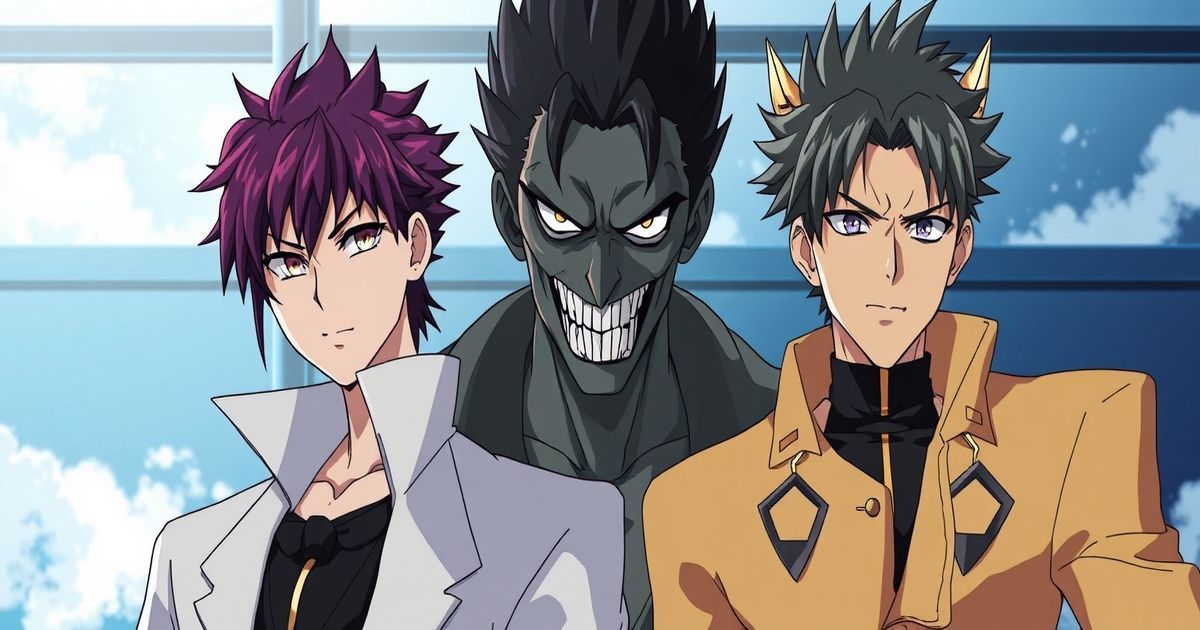
Anime storytelling thrives on conflict, and nothing fuels that fire quite like a truly unforgettable antagonist. While heroes inspire us, it’s often the best anime villains who leave the most indelible mark, challenging protagonists and audiences alike with their complexity, motives, and sheer presence. These characters transcend simple “evil” tropes, embodying philosophical dilemmas, tragic backstories, or terrifyingly logical worldviews that resonate long after the credits roll. Whether driven by a twisted sense of justice, overwhelming ambition, or profound nihilism, the greatest anime villains force us to confront uncomfortable truths about power, morality, and the human condition. This guide delves into what elevates an antagonist from merely bad to truly legendary, spotlighting the pinnacle of villainous craftsmanship that defines the medium. Understanding these figures is key to appreciating the depth and artistry of anime as a whole.
What Makes an Anime Villain Truly Great?
Not every antagonist earns a place among the best anime villains. True greatness stems from a potent combination of elements that go far beyond cartoonish malice. Firstly, compelling motivation is non-negotiable. A villain whose actions stem from understandable, even relatable, desires – be it the pursuit of peace through extreme means, a desperate need for recognition, or a response to profound trauma – instantly gains depth. Think of characters whose goals, however misguided, stem from a warped interpretation of love or justice. Secondly, intellectual and strategic prowess is crucial. The most memorable foes are often masterminds, outthinking the heroes at every turn, forcing them to evolve. Their intelligence makes their eventual defeat (or temporary setback) feel earned and impactful. Thirdly, charisma and presence are vital. A great villain commands the screen, delivering memorable lines with conviction and embodying a unique aesthetic or philosophy that captivates viewers. They possess a certain magnetism that makes their perspective, however dangerous, momentarily seductive. Finally, thematic resonance elevates them. The best anime villains often serve as dark mirrors to the protagonist or embody the central conflict of the narrative, forcing both the hero and the audience to grapple with the story’s core questions. As explored on Wikipedia, the evolution of anime antagonists reflects broader shifts in storytelling and societal anxieties. A truly great villain isn’t just an obstacle; they are an integral, thought-provoking component of the narrative’s soul, challenging simplistic notions of good versus evil and leaving a lasting philosophical impact.
Top Contenders for the Title of Best Anime Villains
Selecting the absolute best anime villains is inherently subjective, fueled by personal taste and generational impact. However, certain figures consistently rise to the top due to their cultural significance, narrative influence, and sheer memorability. Here are five undeniable titans who have shaped the landscape:
- Madara Uchiha (Naruto Shippuden): Embodying the culmination of centuries of conflict and trauma, Madara isn’t just powerful; he’s a walking philosophical treatise on war, peace, and the cyclical nature of hatred. His god-like abilities are matched by his chillingly logical vision for a world free from pain, achieved through the Infinite Tsukuyomi – a plan so grand and terrifyingly plausible it redefined the stakes of the entire series. His presence is overwhelming, his conviction absolute.
- Light Yagami (Death Note): A masterclass in the charismatic intellectual villain. Light’s descent from brilliant student to megalomaniacal god of the new world is chilling precisely because his initial motivation – ridding the world of evil – is almost noble. His strategic genius, manipulating everyone around him including the brilliant L, creates a psychological chess match for the ages. He forces viewers to constantly question: Is he right?
- Frieza (Dragon Ball Z): While perhaps less philosophically complex than others, Frieza’s sheer, unadulterated malice, regal arrogance, and planet-destroying power cemented him as an icon. His transformation sequences are legendary, and his casual cruelty (“This isn’t even my final form!”) established a new standard for terrifying, flamboyant evil in shonen anime. He represents pure, unrepentant tyranny.
- Griffith (Berserk): Griffith’s journey from charismatic leader to the monstrous Femto is one of the most tragic and horrifying falls in anime history. His ambition, betrayal of his closest friend Guts for godhood, and subsequent reign of terror are driven by a complex mix of narcissism, desperation, and a warped sense of destiny. His villainy is deeply personal and psychologically devastating.
- Makishima Shogo (Psycho-Pass): Operating within a dystopian society that quantifies human emotion, Makishima is the ultimate ideological antagonist. He believes the Sybil System has eradicated true human potential and seeks to prove humanity’s inherent chaos and beauty through acts of extreme violence. His calm demeanor, philosophical debates, and ability to manipulate the system itself make him uniquely terrifying. For deeper dives into character motivations and narrative impact, explore our character analysis.
Why These Villains Resonate with Fans Across Generations
The enduring appeal of the best anime villains lies in their ability to tap into universal human experiences and fears, making them resonate far beyond the confines of the anime world. Their complexity is key; they are rarely purely evil. Fans are drawn to the psychological depth, the tragic elements, and the intellectual challenges they present. We see reflections of real-world issues – the corruption of power, the seduction of extremism, the consequences of unchecked ambition, the struggle for identity – embodied in these characters. This complexity sparks endless discussion, analysis, and fan theories, keeping them relevant long after their series conclude. Furthermore, their iconic design, memorable quotes (“I am the hope of the universe!”), and signature abilities become cultural touchstones, easily recognizable even to casual viewers. The best villains also serve as the perfect foil for the hero, highlighting the protagonist’s strengths, weaknesses, and core values through their opposition. This dynamic creates some of the most compelling character interactions and growth arcs in storytelling. Ultimately, these antagonists force us to confront uncomfortable questions: What would we do in their position? Where is the line between justice and tyranny? Can ambition ever be justified? It’s this capacity to provoke thought and emotional engagement, moving beyond simple spectacle, that ensures figures like Light Yagami or Griffith remain perpetually discussed and analyzed. Their stories are cautionary tales, philosophical explorations, and thrilling narratives rolled into one unforgettable package.
The Evolution of Anime Antagonists: From Simple Foes to Complex Icons
The landscape of anime villains has undergone a dramatic transformation, mirroring the maturation of the medium itself. Early anime often featured relatively straightforward antagonists – power-hungry warlords, alien invaders, or embodiments of pure evil with little motivation beyond conquest (think early Dragon Ball foes). While entertaining, these characters lacked the depth that defines modern greats. The shift began in the 80s and 90s with series like Neon Genesis Evangelion, introducing villains (or anti-heroes) like Gendo Ikari, whose actions were driven by profound trauma and a twisted desire to protect, blurring the lines between hero and villain. This paved the way for the complex, ideologically driven antagonists of the 2000s and beyond. Shows like Code Geass (with Lelouch’s own ambiguous morality and characters like Charles zi Britannica) and Attack on Titan (where the true nature of the “villains” is constantly recontextualized) pushed boundaries, presenting conflicts where clear-cut good vs. evil was often impossible to discern. Today’s best anime villains are frequently products of their environment, shaped by systemic failures, personal tragedy, or compelling philosophical beliefs that challenge the protagonist’s worldview on a fundamental level. They are less about mustache-twirling evil and more about exploring the gray areas of morality, the cost of ideals, and the seductive nature of power. This evolution reflects a broader trend in storytelling towards nuance and psychological realism, proving that the most terrifying and memorable foes are those who feel terrifyingly human. Understanding this progression, as noted by resources like Britannica, is crucial to appreciating why contemporary villains resonate so deeply.
Conclusion: The Enduring Power of the Anime Antagonist
The best anime villains are far more than mere plot devices; they are the dark hearts that give anime its thrilling tension and profound depth. From the intellectual chess matches of Light Yagami to the tragic grandeur of Griffith and the terrifying logic of Makishima Shogo, these characters challenge our perceptions, evoke complex emotions, and often become as beloved (or debated) as the heroes they oppose. Their enduring power lies in their ability to embody universal struggles, present compelling ideologies, and force us to confront the uncomfortable ambiguities of morality and power. As anime continues to evolve, so too will its antagonists, promising even more complex, thought-provoking figures that push the boundaries of storytelling. Whether you’re a seasoned fan or new to the medium, exploring the pantheon of iconic villains offers a unique lens into what makes anime such a rich and captivating art form. Ready to dive deeper into the world of unforgettable characters? Visit our site for extensive analyses, rankings, and discussions on the most compelling figures in anime history. Discover why these legendary foes continue to dominate our screens and our imaginations.