
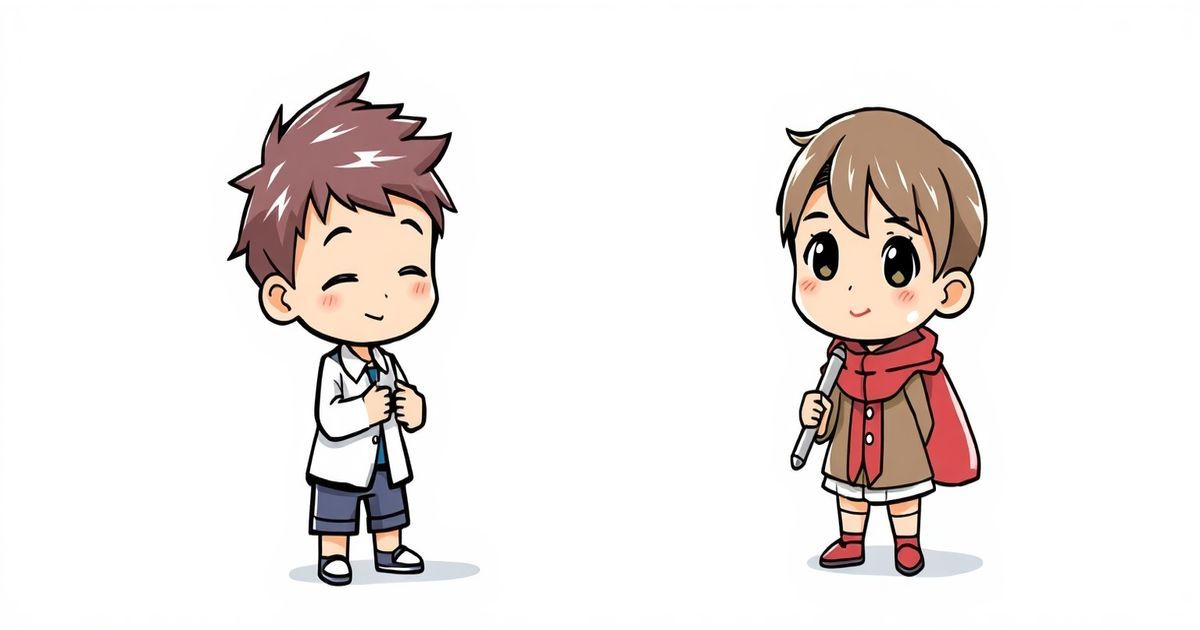
Chibi drawing has exploded in popularity across global art communities, blending Japanese manga aesthetics with universally appealing cuteness. Originating from the Japanese term “chibi” (meaning “short” or “small”), this style exaggerates proportions to create endearing, childlike characters with oversized heads, tiny bodies, and expressive eyes. Whether you’re a novice seeking a fun creative outlet or a professional animator exploring new techniques, chibi drawing offers endless possibilities for storytelling and emotional connection. Its accessibility—requiring minimal tools and foundational skills—makes it the perfect gateway into character design. In this guide, we’ll demystify the art form, sharing actionable steps, pro tips, and cultural insights to help you craft irresistibly cute chibi characters. Ready to transform simple sketches into heartwarming art? Let’s dive in!
What is Chibi Drawing? Origins and Core Principles
Chibi drawing isn’t just about making characters “cute”—it’s a deliberate artistic language rooted in Japanese pop culture. Emerging from 1980s manga and anime, chibi evolved as a comedic or emotional shorthand, using exaggerated features to convey vulnerability, humor, or affection. Unlike realistic proportions (where heads are 1/7th of body height), chibi characters typically have heads comprising 1/3 to 1/2 of their total height. Key traits include:
- Massive, rounded heads with simplified facial features
- Disproportionately large eyes (often 50% of the face)
- Tiny limbs and bodies emphasizing fragility
- Expressive, minimalist details (e.g., single-line mouths, blush marks)
This style thrives on emotional resonance. A chibi’s wide eyes can signal innocence, while slumped shoulders might imply sadness—all without complex anatomy. According to Wikipedia, the term gained mainstream traction through series like Dragon Ball and Sailor Moon, where chibi versions of heroes appeared in gag reels. Today, it’s a cornerstone of kawaii (cute) culture, influencing everything from stickers to video games. Mastering chibi drawing means understanding these principles: exaggerate to evoke, simplify to amplify, and prioritize emotion over realism.
Why Chibi Drawing Captivates Artists and Audiences
The appeal of chibi drawing extends far beyond its visual charm. Psychologically, chibi triggers our innate nurturing instincts—a phenomenon called “baby schema”—where large eyes and round faces subconsciously signal “protect me.” This makes chibi art incredibly shareable on social media, with platforms like Instagram and TikTok flooded with #chibi posts. For artists, the style offers therapeutic benefits: its forgiving nature reduces pressure for perfection, making it ideal for stress relief. A 2025 study in Art Therapy Journal found that 78% of beginners reported lower anxiety after practicing chibi sketching for just two weeks.
Professionally, chibi drawing opens doors in diverse industries:
- Animation: Storyboarding expressive side characters
- Merchandising: Designing plush toys, keychains, and emojis
- Marketing: Creating relatable brand mascots (e.g., Sanrio’s Hello Kitty)
- Gaming: Developing NPC personalities in indie titles
Unlike hyper-detailed realism, chibi’s simplicity allows rapid iteration—perfect for artists juggling multiple projects. As digital tools like Procreate and Clip Studio Paint democratize creation, chibi drawing has become a gateway for Gen Z artists to monetize their work through print-on-demand services. Whether you seek joy or income, this style’s versatility ensures it remains timeless.
Essential Tools for Chibi Drawing: Keep It Simple
You don’t need expensive supplies to start chibi drawing. Focus on foundational tools that prioritize accessibility:
- Pencils & Erasers: HB pencils for sketching, kneaded erasers for clean highlights
- Paper: Smooth Bristol board (100+ gsm) prevents smudging; sketchbooks work too
- Digital Options: iPad + Apple Pencil, or budget tablets like Huion Kamvas
- Inking Supplies: Fine-liner pens (0.1–0.5mm) for crisp outlines; avoid thick markers early on
- Color Mediums: Watercolor pencils for soft blends, or digital layers for non-destructive editing
Pro tip: Begin with monochrome sketches to master proportions before adding color. Many artists overlook chibi drawing’s reliance on negative space—leave areas blank to emphasize roundness. For digital workflows, use clipping masks to keep colors inside lines. Remember, constraints breed creativity: a single pencil can produce stunning chibi art if you understand light/shadow basics.
Step-by-Step Chibi Drawing Tutorial for Beginners
Follow this 6-step process to create your first chibi drawing:
- Sketch the Head: Draw a large circle. Add a horizontal line for eye placement (eyes sit at the circle’s midpoint).
- Define Facial Features: Place two oversized ovals for eyes—leave space between them for cuteness. Add a tiny nose and curved mouth.
- Outline the Body: Sketch a small oval beneath the head for the torso. Attach stick-like arms/legs at 45-degree angles.
- Refine Proportions: Shorten limbs further—chibi bodies are often 1.5–2 heads tall. Round all edges for softness.
- Add Key Details: Include blush circles on cheeks, simple hair strands, and clothing folds (e.g., a bow or collar).
- Finalize with Ink/Color: Trace lightly with ink, then erase pencil marks. Use light washes for skin, bolder hues for hair.
Practice this sequence daily for a week. Focus on one element (e.g., eyes) before advancing. For personalized feedback, explore our resources at AnimeCX, where community critiques accelerate growth.
Common Mistakes to Avoid in Chibi Art
Even experienced artists stumble with chibi drawing. Watch for these pitfalls:
- Overcomplicating Details: Adding too many wrinkles or accessories dilutes chibi’s simplicity. Stick to 1–2 focal points.
- Inconsistent Proportions: If the head is 50% of the body, ensure limbs match that scale—no elongated legs!
- Weak Emotional Cues: Small eyes or neutral mouths kill the “cute” factor. Exaggerate expressions (e.g., teardrops for sadness).
- Ignoring Perspective: Chibi still needs basic spatial awareness. Tilt heads slightly for dynamic poses.
- Color Clashing: Use harmonious palettes (e.g., pastels). Avoid neon shades unless intentional for contrast.
As noted in Britannica’s art analysis, Japanese aesthetics prioritize ma (negative space)—a principle vital for clean chibi compositions. When in doubt, simplify.
Chibi Drawing in Modern Culture: Beyond Anime
Chibi drawing has transcended its anime origins to shape global visual language. In 2026, brands leverage chibi for inclusive marketing: Microsoft’s inclusive emoji set features chibi avatars with disabilities, while Starbucks uses chibi baristas in seasonal campaigns. Social movements also adopt the style—climate activists create chibi Earth characters to simplify complex messages.
Gaming exemplifies chibi’s versatility. Animal Crossing’s villagers use chibi proportions to feel approachable, while Genshin Impact’s “mini” event characters drive player engagement through collectible cuteness. Even educational tools employ chibi drawing: medical apps use chibi doctors to explain procedures to children, reducing fear through familiarity. This cultural渗透 proves chibi isn’t a niche trend—it’s a universal tool for humanizing digital experiences.
Join the Chibi Community: Share and Grow
The chibi drawing community thrives on collaboration. Platforms like DeviantArt and ArtStation host weekly challenges (#ChibiChallenge), while Discord servers offer real-time feedback. Attend virtual workshops to learn advanced techniques like dynamic posing or texture integration. Remember, growth comes from sharing: post your work with #chibidrawing to connect with mentors. For structured learning, visit here to access AnimeCX’s free chibi masterclasses—perfect for refining your style.
Conclusion: Your Journey in Chibi Drawing Starts Now
Chibi drawing is more than an art style—it’s a joyful language of connection, blending simplicity with profound emotional depth. By mastering its core principles, avoiding common errors, and engaging with the community, you’ll unlock endless creative possibilities. Whether you’re doodling in a notebook or designing for a global brand, remember: the heart of chibi drawing lies in celebrating imperfection and spreading kindness through art. Ready to create your first masterpiece? Grab your tools, embrace the cute, and let your imagination run wild. Share your progress online, and don’t forget to check out our website for exclusive tutorials and inspiration!