
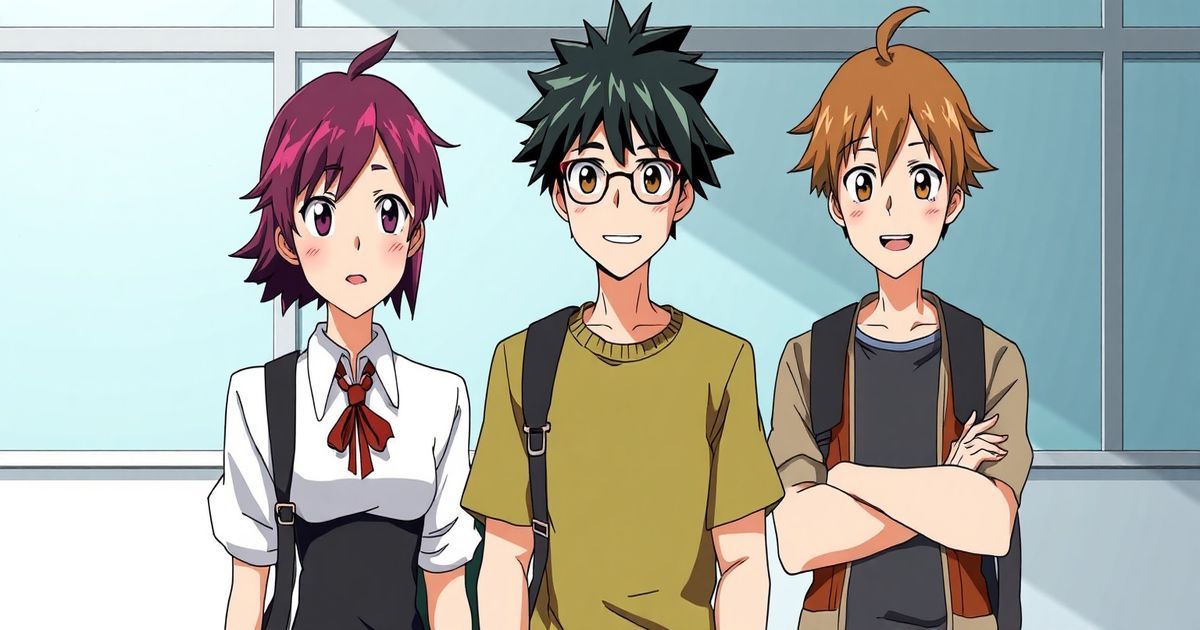
My Hero Academia characters have redefined modern anime storytelling, blending superhero tropes with deeply human struggles. Since its debut, the series has cultivated a massive global following, thanks to its diverse cast of heroes, villains, and supporting figures. Whether you’re a longtime fan or new to the world of Quirks, understanding these characters is key to appreciating the show’s emotional depth and thematic richness. In this guide, we’ll break down the most memorable my hero academia characters, their arcs, and why they resonate across cultures. From UA High’s brightest stars to the League of Villains’ most cunning masterminds, we’ll explore what makes this universe so compelling. Let’s dive into the heart of hero society!
Understanding My Hero Academia Characters
The brilliance of my hero academia characters lies in their layered personalities and relatable flaws. Unlike traditional superhero narratives, Kohei Horikoshi’s creations grapple with insecurity, trauma, and moral ambiguity. For instance, Izuku Midoriya’s journey from a Quirkless outcast to the Symbol of Peace mirrors real-world struggles with self-doubt. Similarly, characters like Shoto Todoroki embody the tension between legacy and individuality, making their growth arcs profoundly impactful. The series avoids one-dimensional portrayals, ensuring even antagonists like Tomura Shigaraki evoke empathy. This depth has cemented my hero academia characters as benchmarks for character-driven storytelling in anime. According to Wikipedia, the franchise’s success hinges on its “humanization of superheroes,” a principle that continues to attract 50+ million fans globally. Whether through humor, heartbreak, or heroism, these characters redefine what it means to be a “hero” in a complex world.
Main Protagonists: The Heart of the Series
Class 1-A’s students anchor the narrative, each bringing unique Quirks and personal battles. Here are the standout protagonists:
- Izuku Midoriya: The embodiment of perseverance, his “One For All” Quirk symbolizes hope. His evolution from a timid fanboy to a strategic leader showcases Horikoshi’s focus on earned growth.
- Katsuki Bakugo: Initially a volatile rival, Bakugo’s arc reveals vulnerability beneath his explosive exterior. His journey from bully to teammate highlights themes of accountability.
- Ochaco Uraraka: Balancing humor with determination, Uraraka’s “Zero Gravity” Quirk mirrors her ability to lift others’ spirits. Her dream of supporting her family adds emotional weight.
- Tenya Iida: As class president, Iida’s rigid adherence to rules evolves into flexible leadership, emphasizing that heroism requires adaptability.
These characters thrive through camaraderie, proving that heroism isn’t solitary. Their interactions—whether during U.A.’s training exercises or high-stakes battles—underscore the series’ core message: strength lies in unity. For deeper analysis of their dynamics, explore our resources.
Iconic Villains and Antagonists
Villains in My Hero Academia are rarely purely evil; they’re products of societal neglect or personal trauma. Tomura Shigaraki’s descent into madness, fueled by All For One’s manipulation, makes him a tragic figure rather than a cartoonish foe. Meanwhile, Dabi’s quest for validation through destruction exposes the dark side of hero society’s elitism. The Paranormal Liberation Front’s ideology—questioning whether heroes truly serve the people—adds philosophical depth. Even minor antagonists like Overhaul challenge protagonists morally and physically, forcing them to confront ethical gray areas. This complexity ensures villains drive the plot as much as heroes, creating a narrative where “good vs. evil” is never black-and-white. As noted by Britannica, modern anime increasingly prioritizes “morally ambiguous antagonists,” a trend My Hero Academia exemplifies masterfully.
Supporting Characters Who Steal the Show
Beyond the main cast, supporting figures enrich the universe with unforgettable moments:
- All Might: The retired Symbol of Peace, his mentorship of Izuku embodies legacy and sacrifice.
- Eraserhead (Shota Aizawa): His pragmatic teaching style and hidden compassion make him a fan-favorite mentor.
- Himiko Toga: A villain with a twisted sense of love, Toga’s psychological depth blurs the line between antagonist and victim.
- Mirio Togata: The “Lemillion” hero’s optimism and resilience inspire even in defeat, showcasing heroism beyond victory.
These characters often drive pivotal plot twists, proving that heroism exists in unexpected places. Their brief but impactful appearances remind viewers that every individual, regardless of screen time, contributes to the greater good.
Why These Characters Resonate with Fans
The enduring appeal of my hero academia characters stems from their universality. Fans see fragments of themselves in Izuku’s anxiety, Bakugo’s rage, or Uraraka’s quiet strength. The series tackles real issues—bullying, discrimination, mental health—through its characters’ struggles, making their triumphs deeply personal. Additionally, Horikoshi’s commitment to diversity (e.g., characters with disabilities like Mei Hatsume) ensures broad representation. This inclusivity, paired with high-stakes action, creates a narrative where anyone can find a hero to root for. As the series progresses into 2026, new characters continue to expand this tapestry, keeping the fandom engaged and evolving. To stay updated on the latest character developments, visit here.
Conclusion
My Hero Academia characters transcend typical anime archetypes, offering a masterclass in storytelling that balances action, emotion, and social commentary. From the inspiring growth of Class 1-A to the morally complex villains, each figure contributes to a universe that feels alive and relatable. Whether you’re drawn to the heroes’ courage or the antagonists’ tragic motives, there’s a character for everyone. As the series continues to evolve, its legacy lies in reminding us that heroism is a choice anyone can make. Ready to explore more? Dive into the world of Quirks and courage—your next favorite character awaits!