
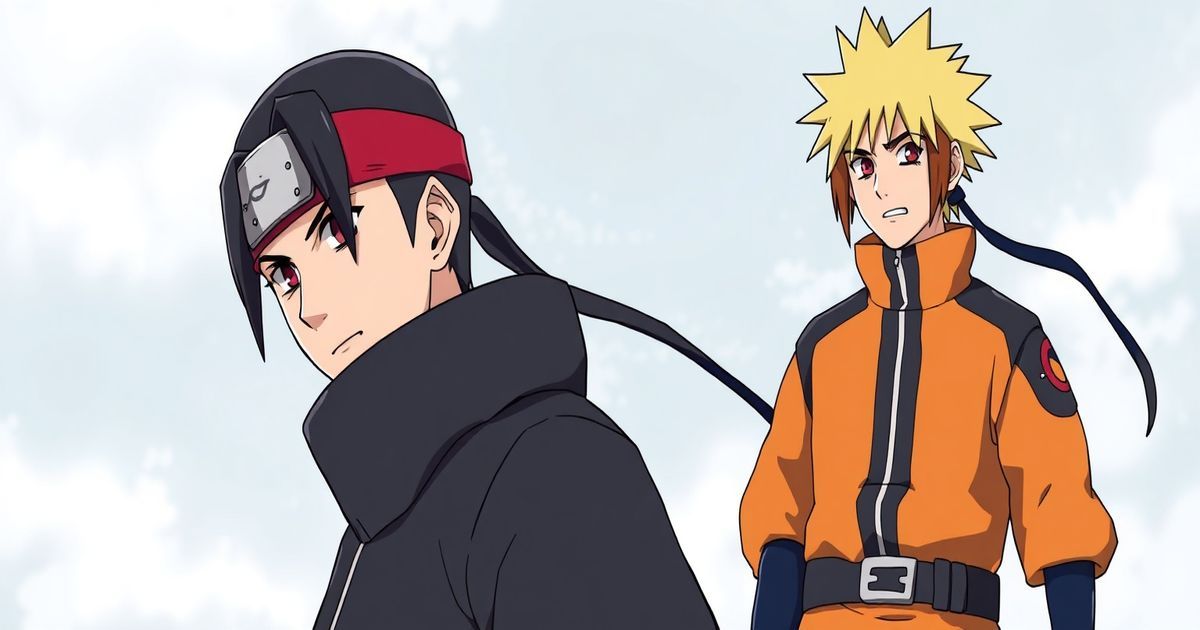
Naruto Uzumaki’s journey from a lonely outcast to the Seventh Hokage has captivated millions worldwide, making naruto characters some of the most recognizable figures in pop culture. Since its debut in 1999, Masashi Kishimoto’s masterpiece has evolved into a global phenomenon, spanning manga, anime, movies, and video games. Whether you’re a longtime fan or new to the Hidden Leaf Village, understanding these iconic personalities is key to appreciating the series’ emotional depth and thematic richness. In this 2026 guide, we’ll dive into the core heroes, formidable villains, and unforgettable supporting roles that define the Naruto universe. From Team 7’s dynamic trio to the enigmatic Akatsuki, we’ll explore why these characters continue to resonate across generations. Ready to revisit the ninja world? Let’s unravel what makes naruto characters truly timeless.
The Core Protagonists: Team 7 and Beyond
At the heart of the series lies Team 7—Naruto, Sasuke, and Sakura—guided by the enigmatic Kakashi Hatake. Naruto’s unyielding optimism and dream of becoming Hokage anchor the narrative, while Sasuke’s quest for vengeance adds layers of moral complexity. Sakura’s evolution from a fangirl to a medical ninja powerhouse challenges gender stereotypes in shonen anime. Kakashi, with his mysterious past and signature Sharingan eye, serves as both mentor and symbol of redemption. Their intertwined destinies showcase themes of friendship, loss, and growth, making them the emotional core of the franchise. Beyond Team 7, figures like Jiraiya (the “Toad Sage”) and Tsunade (the Fifth Hokage) provide critical support, blending wisdom with humor. According to Wikipedia, these characters’ development arcs are meticulously crafted to reflect real-world struggles, such as overcoming trauma or finding purpose. What sets them apart is their relatability: Naruto’s loneliness mirrors adolescent isolation, while Sasuke’s internal conflict speaks to universal questions of identity. For deeper analysis of their abilities and backstories, explore our resources.
- Naruto Uzumaki: Embodies perseverance; his Jinchūriki status and Rasengan techniques symbolize harnessing inner strength.
- Sasuke Uchiha: Represents the duality of power and corruption; his Curse Mark and Rinnegan highlight the cost of ambition.
- Sakura Haruno: Breaks tropes as a kunoichi who excels in chakra control and combat, proving intelligence is as vital as brawn.
- Kakashi Hatake: A master of adaptability, his Lightning Blade and emotional guardedness make him a fan-favorite mentor.
The Antagonists: Akatsuki and Their Shadowy Legacy
No hero’s journey is complete without compelling villains, and Naruto delivers with the Akatsuki—a rogue organization of S-rank criminals. Led by the godlike Pain (Nagato), this group seeks to reshape the ninja world through fear and the collection of Tailed Beasts. Each member brings unique philosophies and abilities: Itachi Uchiha’s tragic sacrifice for peace, Kisame Hoshigaki’s shark-like brutality, and Madara Uchiha’s god-complex ambition. Their motives often blur the line between villainy and tragedy, particularly Itachi’s morally gray choices to protect Konoha. The Akatsuki’s influence extends beyond the original series into Boruto, where remnants like Obito Uchiha continue to shape conflicts. As noted by Britannica, their layered narratives elevate them beyond typical “evil” tropes, exploring how trauma and ideology can corrupt even the most noble intentions. This complexity makes them integral to understanding the series’ exploration of war and peace. Whether through Itachi’s cryptic warnings or Pain’s devastating assault on Konoha, these antagonists force heroes—and viewers—to confront uncomfortable truths about justice and sacrifice.
Supporting Characters: The Unsung Heroes of the Shinobi World
While protagonists and villains dominate discussions, Naruto’s richness lies in its supporting cast. Characters like Shikamaru Nara (the genius strategist), Gaara (the redeemed Kazekage), and Hinata Hyūga (the shy prodigy) add depth through their personal growth and cultural significance. Shikamaru’s “troublesome” attitude masks unparalleled intellect, making him pivotal in battles like the Chunin Exams. Gaara’s transformation from a weapon of mass destruction to a compassionate leader mirrors Naruto’s own arc, emphasizing redemption. Hinata’s journey from insecurity to confidence—culminating in her role as Naruto’s wife—champions quiet resilience. Lesser-known figures like Rock Lee (the “Eternal Rival”) and Neji Hyūga (the cursed prodigy) further explore themes of destiny versus effort. These characters often drive subplots that enrich the main narrative, such as the Hyūga clan’s internal strife or the Sand Village’s political struggles. Their presence ensures the ninja world feels lived-in and interconnected, proving that heroism isn’t reserved for the spotlight. For fans seeking deeper lore, visit here to uncover hidden connections between these roles and the series’ broader mythology.
Why These Characters Resonate Across Generations
naruto characters endure because they transcend cultural and temporal boundaries. Kishimoto’s writing infuses each persona with psychological depth, drawing from real-world issues like bullying, mental health, and societal pressure. Naruto’s struggle with loneliness speaks to Gen Z’s digital-age isolation, while Sasuke’s identity crisis resonates with modern quests for self-acceptance. The series also balances action with introspection—battles are rarely just physical but ideological clashes (e.g., Naruto vs. Sasuke’s visions for peace). This emotional authenticity fosters fan communities that analyze character motivations decades after the manga ended. Moreover, the inclusion of diverse archetypes—stoic leaders, comic-relief sidekicks, morally ambiguous antiheroes—ensures broad appeal. In 2026, as Boruto continues the legacy, these foundational characters remain relevant through memes, cosplay, and academic studies on their symbolic significance. They remind us that growth is non-linear, failure is part of success, and bonds can heal even the deepest wounds. It’s no wonder naruto characters inspire everything from fan fiction to real-world activism, proving their stories are less about ninjutsu and more about the human condition.
Conclusion: The Enduring Legacy of Naruto’s Iconic Personalities
From Naruto’s infectious determination to Itachi’s heartbreaking sacrifices, naruto characters have left an indelible mark on global culture. Their journeys—filled with triumphs, regrets, and hard-won wisdom—offer timeless lessons about resilience, empathy, and the power of connection. As the franchise evolves into the Boruto era, these foundational personas continue to shape new narratives, proving their relevance in 2026 and beyond. Whether you’re revisiting the series or discovering it for the first time, understanding these characters unlocks a richer appreciation of Kishimoto’s world-building genius. So, grab your headband, embrace the ninja way, and let these heroes inspire your own path. Ready to dive deeper? Explore exclusive character analyses, episode guides, and fan theories on our site to keep the spirit of Konoha alive!