
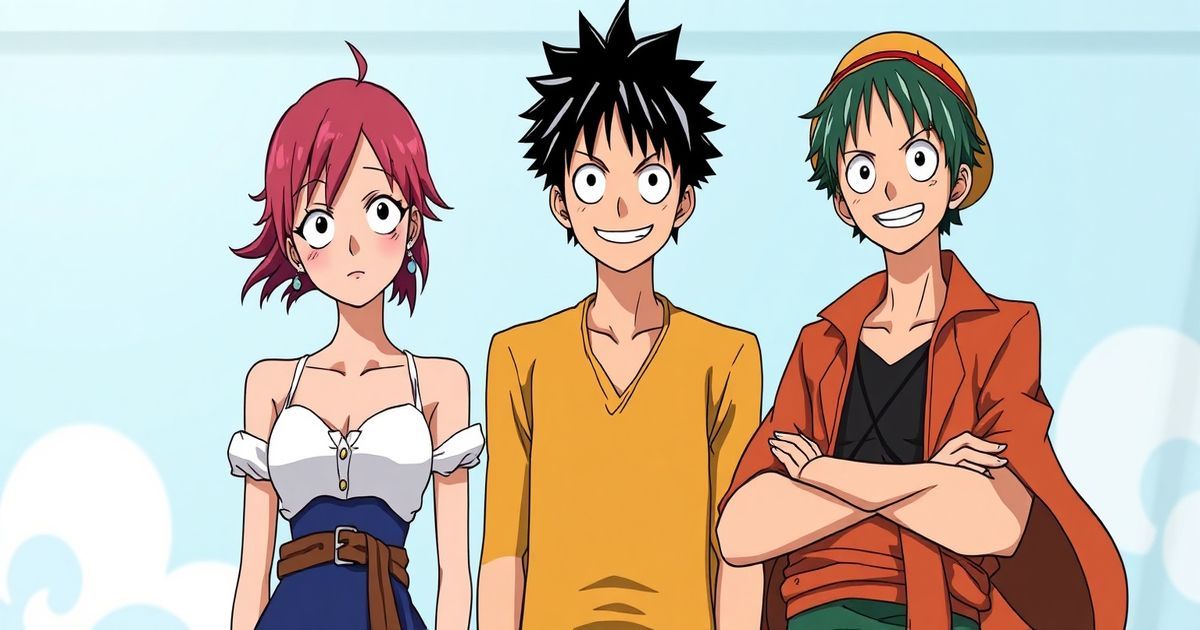
Since 1997, Eiichiro Oda’s One Piece has redefined shonen anime with its unforgettable ensemble cast. Spanning over 1,100 chapters and 1,000+ episodes, the series thrives on its richly developed one piece characters, each embodying unique dreams, flaws, and growth. From the rubber-fisted Monkey D. Luffy to the tyrannical Charlotte Linlin, these figures transcend typical archetypes, driving narratives that explore freedom, legacy, and human resilience. As the story enters its climactic final saga in 2026, understanding these icons is essential for both new viewers and longtime fans. This guide dives deep into the heroes, villains, and supporting players that make One Piece a cultural phenomenon, analyzing what sets its roster apart in modern storytelling. Whether you’re revisiting the Grand Line or setting sail for the first time, these one piece characters promise endless inspiration.
Why One Piece Characters Stand Out in Modern Anime
Unlike many series where protagonists overshadow supporting roles, One Piece treats nearly every character as a protagonist in their own right. Oda’s genius lies in weaving intricate backstories that humanize even the most monstrous antagonists. Take Donquixote Doflamingo: a former celestial dragon turned sadistic warlord, his trauma from systemic oppression fuels his nihilistic worldview. Similarly, Nico Robin’s journey from a lonely scholar to the Straw Hats’ trusted historian showcases how trauma can transform into strength. This depth stems from Oda’s commitment to “character-first” storytelling, where abilities like Devil Fruits serve as metaphors for personal growth rather than mere power-ups. According to Wikipedia, the series’ character-driven approach has influenced a generation of manga creators, proving that emotional authenticity resonates more than flashy battles. In 2026, as streaming platforms amplify One Piece’s global reach, these layered portrayals continue to attract diverse audiences seeking narratives that reflect real-world complexities.
The Straw Hat Pirates: Core Crew Dynamics
At the heart of One Piece lies the Straw Hat Pirates, a crew united by loyalty and individual dreams. Each member’s arc exemplifies Oda’s signature blend of humor and pathos:
- Monkey D. Luffy: The rubber-bodied captain whose unwavering optimism masks profound emotional intelligence. His “Gear 5” transformation in 2023 symbolized embracing joy as resistance against oppression.
- Roronoa Zoro: The three-sword-wielding swordsman driven by a promise to a childhood friend. His “King of Hell” technique reveals a willingness to sacrifice everything for his crew.
- Nami: A navigator with a tragic past of exploitation, her growth from thief to protector highlights themes of redemption.
- Sanji: The chivalrous chef whose “If I can’t see you, you can’t see me” philosophy underscores his internal conflict between heritage and ideals.
- Chopper: The reindeer doctor whose “Monster Point” ability mirrors his struggle for acceptance in a world that fears him.
This crew’s dynamic thrives on mutual respect—Luffy never forces dreams upon others, instead creating space for growth. Their 2026 adventures in the final saga will test these bonds like never before, making them timeless one piece characters.
Iconic Villains & Antagonists That Redefine Evil
One Piece villains avoid cartoonish malice, instead embodying philosophical extremes that challenge the Straw Hats’ worldview. Key antagonists include:
- Kaido: The “Strongest Creature” whose dragon form and nihilism represent the crushing weight of despair. His backstory as a failed revolutionary adds tragic depth.
- Big Mom: A pirate empress whose love is conditional, weaponizing familial bonds to control her crew. Her “Soul Pocus” ability literalizes emotional manipulation.
- Akainu: The Marine Fleet Admiral whose “Absolute Justice” ideology justifies genocide, posing a moral counterpoint to Luffy’s freedom-centric ethos.
- Blackbeard: A cunning strategist who collects Devil Fruits to overthrow the world order, embodying ambition untethered from ethics.
These figures force heroes to confront uncomfortable truths—like how justice can become tyranny or how dreams can corrupt. Their complexity ensures they remain relevant as One Piece approaches its conclusion. For deeper analysis, explore our resources on antagonist motivations.
Supporting Characters with Major Impact
Beyond the main cast, One Piece excels with supporting players who catalyze pivotal moments. Dr. Hiriluk’s cherry blossom speech in Drum Kingdom taught Chopper—and fans—that legacy outlives death. Similarly, Portgas D. Ace’s sacrifice at Marineford redefined Luffy’s resolve, proving that one piece characters often shine brightest in fleeting roles. Even minor figures like the cyborg Franky’s mentor, Tom, embody themes of innovation and sacrifice. Oda ensures no character feels disposable; each contributes to the world’s thematic tapestry. This approach has made One Piece a masterclass in ensemble storytelling, where every interaction advances character development. As noted by Britannica, such layered writing elevates the series beyond typical adventure tropes.
How to Appreciate Character Development in One Piece
To fully engage with One Piece’s brilliance, viewers should track how characters evolve through three lenses:
- Trauma and Healing: Characters like Brook (a skeleton musician) process loss through art, turning pain into purpose.
- Moral Ambiguity: Figures like Trafalgar Law shift between ally and antagonist, reflecting real-world ethical gray areas.
- Symbolic Abilities: Devil Fruits often mirror psychological states—e.g., Sugar’s “Hobi Hobi no Mi” (toy-making fruit) represents escapism from trauma.
Watching for these nuances transforms passive viewing into active analysis. In 2026, as the final saga unfolds, revisiting early arcs reveals Oda’s meticulous foreshadowing, proving why one piece characters endure across decades. For structured insights, visit here to join community discussions.
Conclusion: The Enduring Legacy of One Piece Characters
One Piece characters transcend anime fandom to become cultural touchstones, illustrating how storytelling can explore universal human experiences. From Luffy’s infectious laughter to Robin’s quiet resilience, these figures remind us that dreams and empathy can overcome even the darkest seas. As the series nears its conclusion in 2026, their journeys offer timeless lessons about courage, community, and the power of hope. Whether you’re a seasoned fan or new to the Grand Line, diving into these one piece characters promises not just entertainment, but profound emotional resonance. Ready to embark on your own adventure? Start exploring the world of One Piece today—your next favorite character awaits!