
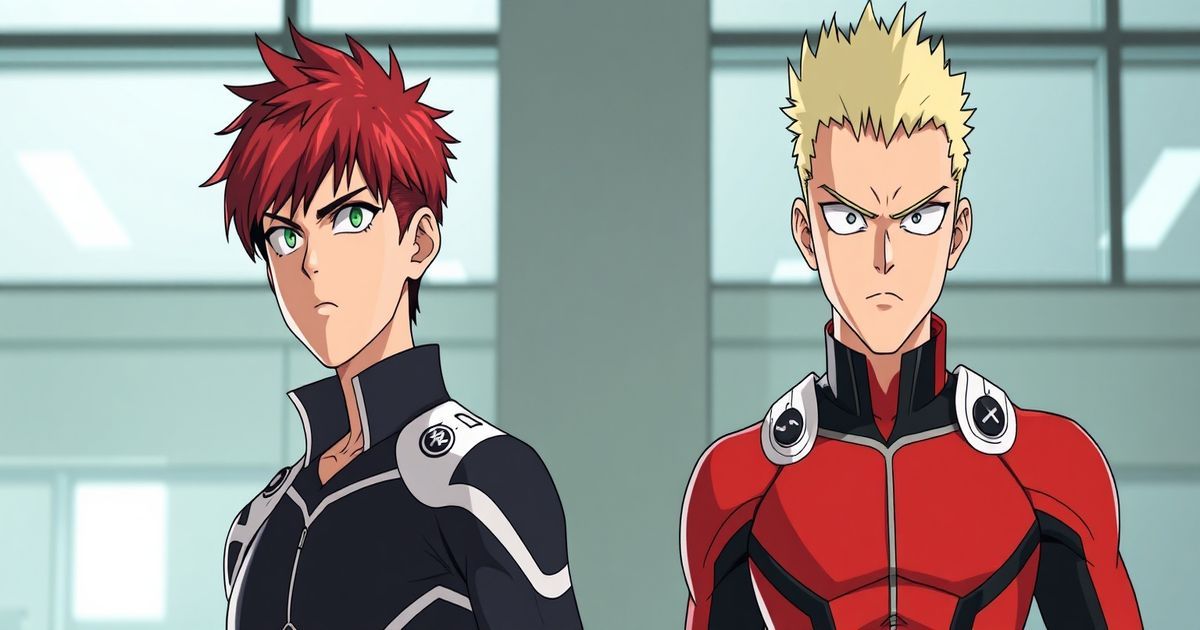
The world of One Punch Man thrives on its brilliantly crafted characters, blending absurd humor with unexpected depth. At its core, the series subverts traditional shonen tropes through its protagonist, Saitama—a hero so overpowered that he defeats enemies with a single punch, leaving him perpetually bored. Yet, the true magic lies in how the supporting cast elevates this premise, creating a rich tapestry of personalities that resonate with fans globally. Whether you’re a longtime devotee or new to the franchise, understanding one punch man characters is key to appreciating its satirical genius. This guide unpacks the heroes, villains, and everything in between, offering fresh insights for 2026. From the stoic cyborg Genos to the chaotic energy of King, each character adds layers to a story that’s equal parts action-packed and philosophically sharp. Let’s explore why these figures remain cultural icons.
Why One Punch Man Characters Stand Out in Modern Anime
One punch man characters redefine what it means to be a hero in contemporary storytelling. Unlike typical protagonists driven by ambition or trauma, Saitama’s journey begins after he’s already achieved ultimate power—a narrative twist that fuels the series’ existential comedy. His deadpan delivery and unremarkable appearance (bald, caped, and perpetually unimpressed) contrast sharply with the flamboyant villains and heroes around him, highlighting the absurdity of power scaling in anime. Supporting characters like Bang, the wise martial arts master, or Fubuki, the pragmatic leader of the Blizzard Group, add emotional weight and moral complexity. The series also masterfully balances satire with genuine pathos, as seen in Genos’ quest for vengeance or Tatsumaki’s struggle with her own arrogance. According to Wikipedia, the franchise’s character-driven humor has influenced a generation of creators, proving that even in a world of god-like abilities, relatable human flaws steal the show. This depth ensures one punch man characters remain endlessly discussable, whether in fan theories or academic analyses of modern anime tropes.
Main Protagonists: Saitama and Genos
The dynamic between Saitama and Genos forms the emotional backbone of One Punch Man. Saitama, the “One Punch Man” himself, embodies the series’ central irony: ultimate power leads to ultimate boredom. His monotone reactions to world-ending threats—like complaining about grocery sales after defeating a monster—make him an unlikely but compelling hero. Genos, his cyborg disciple, provides the perfect foil. Driven by a desire to avenge his family, Genos’ earnestness and growth (from a vengeful rookie to a compassionate hero) ground the story in emotional stakes. Their mentor-student relationship evolves beyond comedy, showcasing Genos’ gradual understanding that true strength lies in protecting others, not just seeking revenge.
- Saitama’s Relatability: Despite his god-like abilities, he struggles with mundane issues like rent and social isolation, making him oddly human.
- Genos’ Evolution: His upgrades and moral dilemmas (e.g., sacrificing humanity for power) add sci-fi depth to the narrative.
- Shared Humor: Their deadpan interactions—like Saitama forgetting Genos’ name—highlight the series’ comedic timing.
For deeper dives into their arcs, explore our resources on character development in modern shonen.
Supporting Heroes of the Hero Association
The Hero Association roster is a goldmine of eccentric personalities, each reflecting different facets of heroism. Characters like Mumen Rider, the unpowered “Hero of Pure Heart,” challenge the notion that strength defines worth. His relentless courage against impossible odds—despite knowing he’ll lose—resonates as a tribute to everyday heroes. Similarly, King, the “Strongest Man on Earth,” leverages fear and reputation to protect others, blending cowardice with unexpected bravery. The S-Class heroes, including the enigmatic Silverfang and the volatile Child Emperor, showcase diverse fighting styles and philosophies, from traditional martial arts to tech-driven innovation.
These figures also satirize real-world hero culture. For instance, the popularity-obsessed Speed-o’-Sound Sonic contrasts with Saitama’s indifference to fame, questioning what truly motivates heroes. The Association’s bureaucracy—where heroes rank based on public perception rather than skill—mirrors societal critiques of meritocracy. As noted by Britannica, such layered storytelling elevates One Punch Man beyond typical action anime, making its supporting cast indispensable to its legacy.
Memorable Antagonists and Villains
Villains in One Punch Man are as memorable as the heroes, often serving as dark mirrors to the protagonists. The series excels at humanizing antagonists, revealing their motivations beyond mere evil. Boros, the alien conqueror, seeks a worthy opponent to alleviate his cosmic boredom—a twisted parallel to Saitama’s own ennui. His “Meteor Shower” attack and tragic backstory add tragic depth, making him one of anime’s most compelling foes. Similarly, Garou’s transformation from bullied child to “Monster Calamity” explores themes of societal rejection and the corruption of idealism.
- Boros: Represents the void of unfulfilled purpose, challenging Saitama’s apathy with his own brand of existential dread.
- Garou: His arc critiques how society labels “monsters,” blurring lines between hero and villain.
- Elder Centipede: A mindless force of nature, emphasizing humanity’s fragility against cosmic threats.
- Psykos and Orochi: Symbolize the dangers of unchecked ambition and the corruption of power.
These antagonists force heroes to confront their limitations, proving that even in a world where one punch solves most problems, true growth comes from emotional battles.
Character Development and Humor: The Heart of the Series
What sets one punch man characters apart is their seamless blend of growth and comedy. Saitama’s journey isn’t about gaining power but rediscovering passion—a subtle arc where he slowly reconnects with his heroic ideals. Genos’ loyalty evolves into genuine respect, while characters like Bang confront their past failures, adding emotional weight. The humor arises from juxtaposition: world-ending crises treated with mundane indifference, or heroes panicking over trivial matters. This tonal balance prevents the series from becoming repetitive, as each character’s quirks drive both laughs and introspection.
For instance, Tatsumaki’s tsundere antics mask deep-seated trauma, making her more than a comic relief character. Similarly, King’s “intimidation” schtick evolves into a commentary on how reputation shapes identity. As the series progresses into 2026, these dynamics continue to resonate, proving that one punch man characters thrive on relatability amid the absurd. To stay updated on new character analyses, visit here.
Conclusion: Why These Characters Endure
The brilliance of one punch man characters lies in their ability to balance satire with sincerity, creating a universe where even the most overpowered hero grapples with universal human experiences. Saitama’s boredom, Genos’ devotion, and Garou’s tragedy remind us that strength is meaningless without purpose. As One Punch Man continues to captivate audiences in 2026, its characters remain a masterclass in storytelling—proving that true heroism isn’t about flashy powers, but the courage to keep showing up. Whether you’re revisiting the series or discovering it for the first time, these figures offer endless inspiration. Ready to dive deeper? Explore exclusive character guides and theories on our site, and join the conversation about why one punch man characters define a generation of anime!