
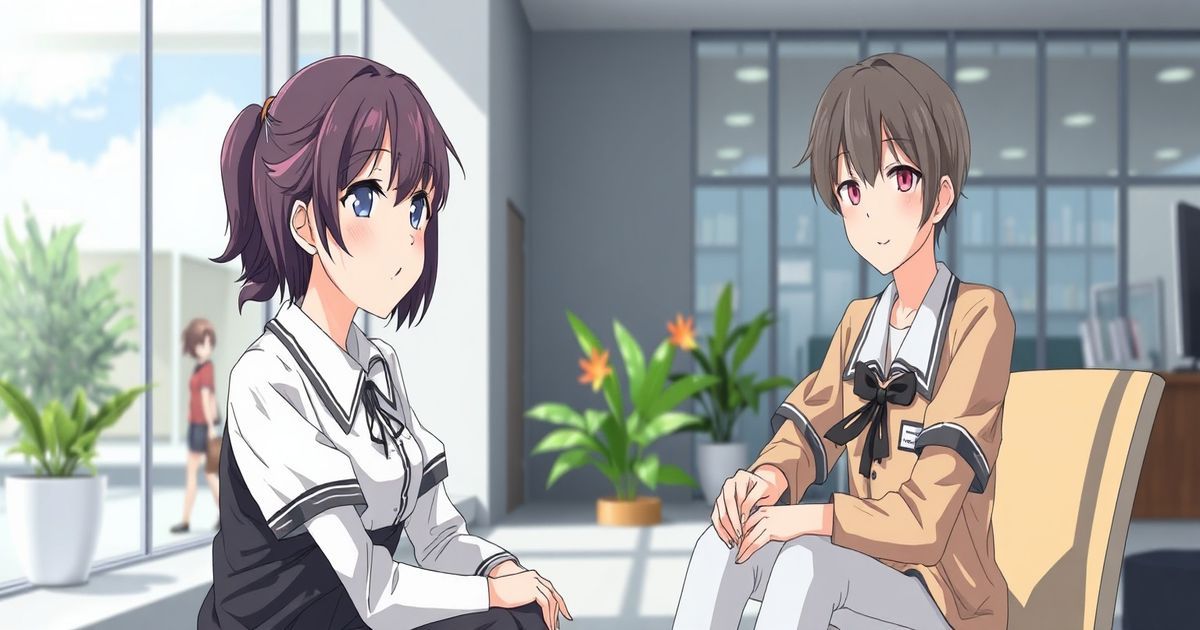
In a world saturated with flashy action and lighthearted comedy, the enduring appeal of sad anime might seem counterintuitive. Yet, generation after generation finds themselves drawn to stories that explore loss, grief, unrequited love, and the quiet ache of existence. These narratives, far from being mere downers, offer a profound form of emotional catharsis and connection. They validate our deepest sorrows, providing a safe space to process complex feelings we often struggle to articulate in daily life. The unique visual language of anime, combined with masterful storytelling, allows creators to depict vulnerability and heartbreak with unparalleled intimacy and beauty. This article delves into the heart of sad anime, exploring why we seek it out, its therapeutic potential, and the masterpieces that continue to leave audiences reaching for tissues. Understanding this genre reveals not just the power of animation, but the universal human need to feel deeply and be understood.
What Makes Anime Truly Sad? Defining the Genre’s Emotional Core
The term sad anime encompasses a vast spectrum of storytelling, but its essence lies in narratives prioritizing emotional depth over spectacle. It’s not merely about death or tragedy; it’s about the weight of those events, the lingering aftermath, and the quiet moments of reflection. Key elements include profound character development where protagonists grapple with internal conflict, realistic portrayals of grief that avoid melodrama, bittersweet resolutions that acknowledge pain while offering glimmers of hope, and themes exploring universal human experiences like loneliness, regret, the passage of time, and the fragility of connection. Unlike Western animation often constrained by genre expectations, anime possesses a cultural and artistic freedom to linger in melancholy. Directors like Makoto Shinkai or Studio Ghibli’s Isao Takahata excel at finding beauty within sorrow, using stunning visuals and evocative soundtracks to amplify the emotional resonance. A truly impactful sad anime doesn’t manipulate tears; it earns them through authenticity and respect for the audience’s intelligence and emotional capacity. This authenticity is what transforms simple sadness into a meaningful, shared experience.
Why Do We Seek Out Sad Anime? The Psychology of Emotional Catharsis
The question isn’t just what makes sad anime effective, but why viewers actively pursue this emotional experience. Psychological research, including studies referenced by sources like Britannica, suggests several powerful reasons. Firstly, it provides catharsis – a purging or purification of emotions. Watching characters navigate profound loss allows us to safely experience and release our own pent-up sadness, anxiety, or grief in a controlled environment. This can be incredibly therapeutic, reducing stress and promoting emotional regulation. Secondly, sad stories foster empathy and connection. Seeing characters endure hardship makes us feel less alone in our struggles, building a sense of shared humanity. We recognize our own vulnerabilities reflected on screen. Thirdly, these narratives often explore meaning-making. Confronting mortality or loss within a story can prompt us to reflect on our own lives, values, and relationships, leading to greater appreciation for the present moment and the people in it. Finally, the beauty often woven into sadness – a poignant score, a breathtaking sunset scene amidst despair – creates a unique aesthetic appreciation for the bittersweet nature of life itself. Seeking out sad anime is, paradoxically, an act of self-care and emotional exploration.
Top 5 Heartbreaking Sad Anime That Define the Genre
Certain titles have become synonymous with the power of sad anime, consistently moving audiences to tears through their masterful storytelling. Here are five essential examples that showcase the genre’s depth:
- Grave of the Fireflies (Hotaru no Haka): Studio Ghibli’s devastating WWII drama, directed by Isao Takahata, follows siblings Seita and Setsuko struggling to survive after their home is bombed. Its unflinching portrayal of innocence lost, the horrors of war on civilians, and the ultimate futility of their struggle makes it arguably the most emotionally shattering film in anime history. The ending remains a profound meditation on loss.
- Clannad: After Story: While the first season establishes the world, After Story delves into the harsh realities of adulthood, parenthood, and the fragility of life. Its exploration of grief, the weight of responsibility, and the enduring power of family love, culminating in one of the most famously heartbreaking sequences in anime, cements its status as a modern masterpiece of melancholy.
- Anohana: The Flower We Saw That Day: This series captures the raw, complicated grief of a group of childhood friends after the sudden death of one of their own, Menma. It beautifully portrays survivor’s guilt, the struggle to move on, and the bittersweet nature of memory, all wrapped in a supernatural premise that serves the emotional core perfectly.
- Your Lie in April (Shigatsu wa Kimi no Uso): Centered around a prodigy pianist haunted by his mother’s death, this series intertwines intense musical performances with profound themes of grief, the pressure of expectation, and finding beauty and connection through art. Its emotional climax is a masterclass in building tension and release through both narrative and score.
- A Silent Voice: Tackling heavy themes of bullying, disability, redemption, and suicidal ideation with remarkable sensitivity, this film follows a former bully seeking to make amends with a deaf girl he tormented. Its honest depiction of guilt, the difficulty of forgiveness, and the search for self-worth resonates deeply and offers a powerful message of hope amidst pain.
For more curated recommendations and in-depth analyses of emotionally resonant series, explore our extensive database.
The Lasting Impact: How Sad Anime Helps Us Process Real-World Emotions
The value of sad anime extends far beyond the screen. Engaging with these narratives provides tangible psychological benefits that ripple into our daily lives. By witnessing characters navigate complex emotional landscapes – from the initial shock of loss to the slow, often non-linear, process of healing – viewers gain valuable frameworks for understanding their own experiences. This vicarious learning can reduce the isolation felt during personal grief, making individuals feel seen and validated. Furthermore, the safe distance provided by fiction allows viewers to confront difficult emotions they might avoid in reality, building emotional resilience. The act of crying while watching a sad scene is a physical release, lowering stress hormones and promoting a sense of calm afterward, a phenomenon well-documented in psychological studies on media consumption. According to foundational concepts in psychology, as noted by resources like Wikipedia, this controlled exposure to sadness can actually enhance overall emotional intelligence. It teaches us to sit with discomfort, understand nuanced feelings, and develop greater compassion – for the characters on screen and, ultimately, for ourselves and others in our lives. The genre doesn’t glorify sadness; it acknowledges its necessity in the human experience.
Finding Comfort in the Tears: Embracing the Beauty of Bittersweet Stories
Ultimately, the enduring power of sad anime lies in its ability to transform pain into something meaningful and even beautiful. These stories remind us that sadness is not a weakness to be avoided, but an integral part of the full spectrum of human emotion, often intertwined with love, hope, and resilience. They validate our experiences, offering solace in the knowledge that others, even fictional characters, understand the depths of our sorrow. In a world that frequently demands constant positivity, sad anime provides a crucial counterbalance, a space to honor complexity and find beauty in impermanence. The tears shed while watching these narratives are not merely an end; they are a beginning – a release that often paves the way for greater emotional clarity, deeper connections, and a renewed appreciation for the fleeting, precious moments of joy. Seeking out these stories is an act of courage, an acknowledgment that to feel deeply is to be profoundly alive. Discover how these powerful narratives can offer comfort and insight by visiting our dedicated resource hub.
The journey through sad anime is not about wallowing in despair, but about embracing the full, rich tapestry of human feeling. These stories, with their unflinching honesty and profound beauty, serve as mirrors reflecting our own vulnerabilities and strengths. They teach us that grief and joy are not opposites, but companions on the path of life. By engaging with these narratives, we grant ourselves permission to feel deeply, to mourn what is lost, and ultimately, to cherish what remains. In doing so, sad anime becomes more than entertainment; it becomes a vital tool for emotional growth and connection. So, the next time you feel drawn to a story that might make you cry, remember: you’re not just watching anime, you’re participating in a timeless, healing ritual of the human heart. Allow yourself the gift of these tears – they are a testament to your capacity to love, to lose, and to find meaning in the beautifully bittersweet journey of existence. Start exploring these transformative stories today.