
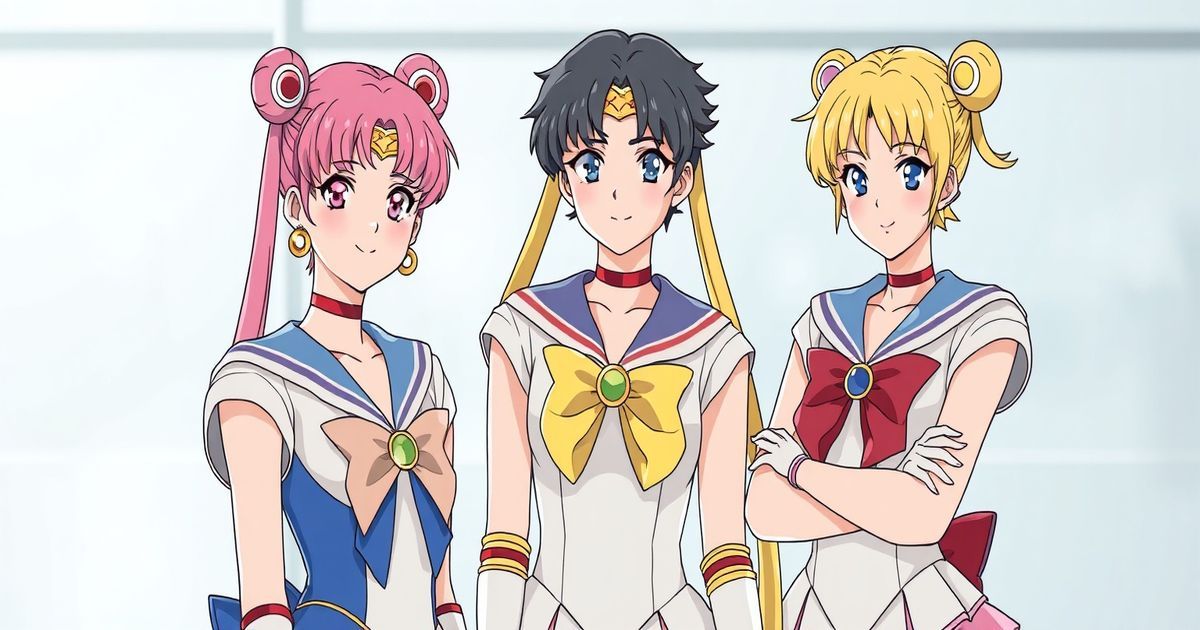
The sailor moon characters have transcended generations, becoming cultural icons since their debut in Naoko Takeuchi’s legendary manga and anime series. First appearing in 1991, these magical warriors blend fantasy, romance, and empowerment in a way that continues to resonate with audiences of all ages. Whether you’re a longtime fan revisiting the series or a newcomer discovering its charm, understanding these characters is key to appreciating why Sailor Moon remains a cornerstone of anime history. Their enduring appeal lies in rich personalities, symbolic transformations, and universal themes of love and justice. In this guide, we’ll explore every facet of the sailor moon characters, from their celestial origins to their impact on pop culture. Prepare to dive into a universe where friendship truly is magic!
The Core Inner Senshi: Guardians of Love and Justice
At the heart of the series are the Inner Senshi, a group of five schoolgirls who transform into cosmic protectors. Usagi Tsukino (Sailor Moon) starts as a clumsy, crybaby teenager but evolves into a compassionate leader embodying the Moon Princess’s legacy. Her journey from self-doubt to unwavering courage makes her one of anime’s most relatable heroines. Alongside her, Ami Mizuno (Sailor Mercury) represents intellect and calm strategy, using her computer-like mind to analyze threats. Rei Hino (Sailor Mars) channels fiery passion and spiritual intuition as a shrine maiden, while Makoto Kino (Sailor Jupiter) brings strength and nurturing warmth, often cooking for her friends. Finally, Minako Aino (Sailor Venus) balances idol aspirations with fierce loyalty, serving as the team’s moral compass. Together, they form an unbreakable bond, proving that sailor moon characters thrive on emotional depth rather than mere combat prowess. Their transformations—like the iconic “Moon Tiara Action”—aren’t just flashy; they symbolize personal growth and the power of unity. This foundational group sets the tone for the entire franchise, emphasizing that heroism stems from empathy and connection.
- Usagi Tsukino/Sailor Moon: The reluctant leader whose love for Mamoru drives her to protect Earth. Her signature weapon, the Moon Stick, evolves across seasons to reflect her maturity.
- Ami Mizuno/Sailor Mercury: The brainy strategist whose calm demeanor and holographic computer make her indispensable in battles against dark forces.
- Rei Hino/Sailor Mars: A fiery shrine maiden with pyrokinetic abilities, often clashing with Usagi but sharing a deep sisterly bond.
- Makoto Kino/Sailor Jupiter: The gentle giant whose lightning-based attacks and culinary skills highlight her dual nature as both warrior and caretaker.
- Minako Aino/Sailor Venus: The cheerful idol-in-training whose love for celebrities masks her dedication to her friends and mission.
For deeper analysis of their character arcs, explore our resources on how these heroes redefine strength in anime.
Supporting Characters and Antagonists: Adding Depth to the Universe
Beyond the Inner Senshi, the sailor moon characters universe expands with memorable allies and foes. The Outer Senshi—Sailor Uranus, Neptune, Pluto, and Saturn—introduce complex moral dilemmas, particularly in the Sailor Moon S and Sailor Moon SuperS arcs. Haruka Tenoh (Sailor Uranus) and Michiru Kaioh (Sailor Neptune) challenge traditional gender norms with their androgynous presentation and romantic relationship, a groundbreaking portrayal in 1990s anime. Meanwhile, Setsuna Meioh (Sailor Pluto) guards the Space-Time Door with stoic wisdom, and Hotaru Tomoe (Sailor Saturn) embodies tragic innocence as the reincarnated daughter of a villain. Antagonists like the Black Moon Clan or Death Busters aren’t mere evil-doers; they reflect real-world issues like environmental neglect or the corruption of innocence. Even minor characters, such as the talking cat Luna or the quirky Motoki Furuhata, add humor and heart. This intricate web of personalities ensures no role feels disposable, reinforcing why sailor moon characters remain endlessly discussable. According to Wikipedia, the series’ success hinges on this “diversity of character motivations and backgrounds.”
Themes and Symbolism: Why These Characters Endure
The magic of sailor moon characters lies in their layered symbolism. Each Senshi is tied to a celestial body, reflecting personality traits: Mercury’s intellect, Mars’s passion, Jupiter’s abundance. Their transformations aren’t just visual spectacles—they represent puberty, self-acceptance, and the courage to embrace one’s true self. The series boldly tackles themes like LGBTQ+ representation (through Uranus and Neptune), mental health (Usagi’s anxiety), and environmentalism (the Black Moon Clan’s pollution-driven motives). These elements, rare for mainstream 90s anime, gave marginalized viewers heroes who mirrored their struggles. Furthermore, the recurring motif of “love conquers all” isn’t naive; it’s a radical assertion that compassion is a strategic superpower. As Britannica notes, Sailor Moon “pioneered the magical girl genre’s shift from solo heroines to team-based narratives,” influencing countless successors. This thematic richness ensures the characters feel timeless, not dated. Whether battling entropy or self-doubt, their journeys resonate because they’re fundamentally human.
Cultural Impact and Legacy in 2026
Decades after their debut, sailor moon characters continue to shape global pop culture. The series sparked the “shoujo renaissance,” proving anime could appeal to girls without sacrificing action or depth. Merchandise, conventions, and viral TikTok trends (like #SailorMoonChallenge) keep the fandom vibrant. In 2026, reboots like Sailor Moon Cosmos and collaborations with luxury brands (e.g., Gucci x Sailor Moon) demonstrate their commercial staying power. Academics now study the characters as symbols of feminist resilience—Usagi’s leadership defies “damsel in distress” tropes, while the Outer Senshi’s queerness paved the way for inclusive storytelling. Even non-fans recognize the iconic transformation sequences or the phrase “In the name of the Moon, I’ll punish you!” This legacy isn’t accidental; it’s built on Takeuchi’s vision of heroines who fight with love, not just lasers. To stay updated on new projects, visit here for the latest news.
Conclusion: The Timeless Allure of Sailor Moon’s Heroes
The sailor moon characters endure because they’re more than animated figures—they’re mirrors of our hopes, fears, and capacity for growth. From Usagi’s tearful determination to Uranus and Neptune’s defiant love, each character offers a lesson in authenticity and courage. Their stories remind us that heroism isn’t about perfection but perseverance, a message that feels urgently relevant in 2026. Whether you’re rewatching the classic series or exploring modern adaptations, these warriors invite you to believe in magic within yourself. So grab your Moon Stick, gather your friends, and join the legacy. The galaxy needs your light—sailor moon characters prove that even the smallest spark can ignite change. Ready to dive deeper? Start your journey today and discover why this universe continues to captivate hearts worldwide.