
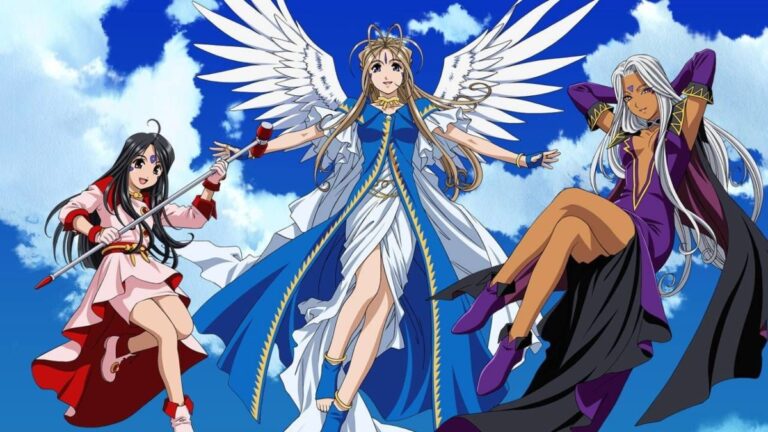
Divine female figures have appeared in Japanese animation since the medium’s early decades, drawing from Shinto, Buddhist, and classical mythological traditions. The 1986 film Castle in the Sky featured Sheeta, a princess with a mystical crystal tied to ancient technology, establishing a template for goddess-like heroines in anime.
How Divine Female Characters Emerged in Japanese Animation
Early anime drew heavily from Japan’s religious and folkloric heritage. Shinto kami — spirits associated with nature, fertility, and creation — provided a ready source of divine female archetypes. The sun goddess Amaterasu, central to Shinto belief, influenced countless character designs and storylines across decades of production. A reference profile of the subject is maintained on Deities characters – Anime-Planet
By the late 1980s and early 1990s, fantasy anime began incorporating goddess figures more explicitly. Series like Record of Lodoss War (1990) featured priestesses and divine beings as central plot elements. The isekai boom of the 2010s accelerated this trend, with shows like Konosuba (2013 light novel, 2016 anime) placing a comedic goddess at the center of its story.
| Series | Goddess Character | Year |
|---|---|---|
| Ah! My Goddess | Belldandy | 1993 (OVA) |
| Noragami | Izanami (referenced) | 2014 |
| Konosuba | Aqua | 2016 |
| The Rising of the Shield Hero | Malty S. Melromarc | 2019 |
Recent Trends and Where the Genre Is Heading
The 2020s have seen anime goddesses move beyond traditional fantasy settings. Studios now place divine female characters in science fiction, horror, and slice-of-life contexts. The 2022 series Mushoku Tensei features multiple goddess-tier beings whose power levels drive the narrative’s stakes.
Streaming platforms have increased global demand for fantasy anime, pushing studios to develop more complex divine characters. Rather than portraying goddesses as distant, untouchable figures, recent productions emphasize vulnerability, humor, and moral ambiguity. This shift reflects broader audience preferences for layered characterization over archetypal purity.
Why Divine Female Characters Resonate with Global Audiences
Anime goddesses occupy a unique space between reverence and relatability. Characters like Belldandy from Ah! My Goddess combine supernatural status with everyday emotional struggles, making them accessible to viewers unfamiliar with Japanese mythology.
The appeal extends beyond Japan. Western audiences have embraced these characters through fan art, cosplay, and online communities. The archetype taps into cross-cultural fascination with powerful women who wield authority without conforming to Western superhero conventions. For many international viewers, anime goddesses offer an alternative to the dominant Hollywood portrayal of female power.
How Studios Design and Produce Divine Characters
Creating a convincing goddess character involves collaboration between writers, character designers, and sound directors. Writers must balance mythological source material with original storytelling, ensuring the character feels both timeless and fresh.
Character designers often incorporate visual cues drawn from religious art — halos, flowing robes, and luminous color palettes signal divinity without explicit dialogue. Sound directors contribute by selecting voice actors who can convey authority and warmth simultaneously. The production process for a single goddess character can span months of iteration before reaching its final form.
Studios like Kyoto Animation and MAPPA have developed distinctive visual approaches to divine characters. Kyoto Animation favors soft, ethereal lighting and delicate movement, while MAPPA employs bold color contrasts and dynamic camera angles. These stylistic choices shape how audiences perceive a character’s divine nature.
Frequently Asked Questions
Are anime goddesses still popular in current series?
Divine female characters remain a staple of modern anime, particularly in fantasy and isekai genres. Recent productions continue to introduce goddess-tier figures, often reimagining them with comedic or morally complex traits that appeal to contemporary viewers.
Where did the concept of anime goddesses originate?
The concept draws primarily from Shinto and Buddhist traditions native to Japan, where female deities like Amaterasu and Benzaiten have been worshipped for centuries. Early anime creators adapted these figures into fictional narratives, blending religious iconography with original storytelling.
What makes anime goddesses different from Western divine characters?
Anime goddesses often display vulnerability, humor, and emotional complexity rarely seen in Western portrayals of divine figures. Rather than appearing as distant or infallible beings, they frequently struggle with loneliness, identity, and the burden of their own power.
Who are the most well-known voice actors for goddess roles?
Several veteran seiyū have voiced divine characters across multiple series. The role demands a voice capable of shifting between warmth and authority, and casting directors often select performers with experience in both dramatic and comedic anime productions.
How does the portrayal of anime goddesses compare to manga source material?
Anime adaptations frequently expand on manga depictions of goddess characters, adding original scenes and dialogue to develop their personalities. Some series, like Ah! My Goddess, follow their source material closely, while others take significant creative liberties during adaptation.
Merchandise, Fandom, and the Commercial Side of Divine Characters
Goddess characters drive significant merchandise revenue for anime studios and licensors. Figures, keychains, and apparel featuring characters like Aqua from Konosuba and Belldandy from Ah! My Goddess consistently rank among top-selling anime goods at retailers like AmiAmi and Good Smile Company.
Cosplay communities have embraced divine characters enthusiastically. Elaborate costumes featuring wings, halos, and ornate robes appear regularly at major conventions worldwide. Online platforms such as Pixiv and DeviantArt host thousands of fan illustrations dedicated to goddess characters from popular series.
The commercial viability of these characters influences production decisions. Studios recognize that well-designed divine figures generate sustained fan engagement long after a series concludes. This economic incentive ensures that goddess archetypes will likely remain a fixture of anime production for years to come.