
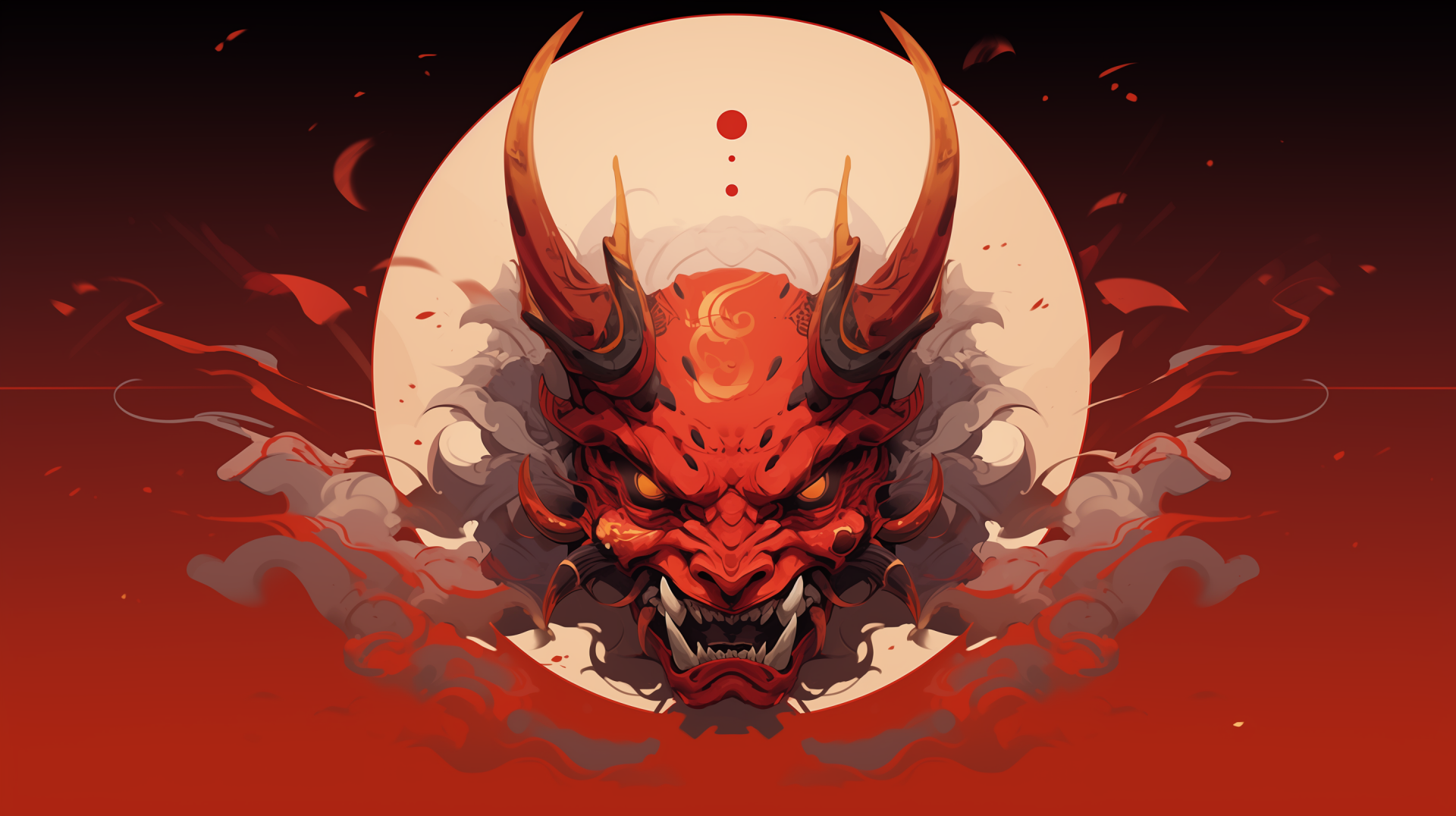
Online searches for red oni have grown steadily in recent years, driven by anime, video games, and renewed interest in traditional Japanese folklore. These crimson-skinned figures appear across centuries of art, ritual, and storytelling, yet their meaning is often oversimplified outside Japan.
How Red Oni Are Perceived Across Regions and Generations
In Japan, red oni (aka oni) are widely recognized from festivals such as Setsubun, where bean-throwing rituals drive away evil spirits. Older rural communities often associate red oni with mountain deities and protective forces, not purely malevolent demons. Younger urban audiences, however, tend to encounter them through manga, anime, and games, where they are frequently cast as villains or comic brutes. Public records covering this story are gathered in The Colors and Types of Oni: Exploring Red, Blue, Yellow, Green, and …
Internationally, red oni are sometimes reduced to a generic “Japanese monster” label. Western fans may recognize the silhouette and horns without understanding the layered symbolism tied to protection, punishment, and natural disasters. Scholars of Japanese folklore note that this flattening obscures the complex role red oni play in local rituals and temple traditions.
| Aspect | Red Oni |
|---|---|
| Common color symbolism | Passion, anger, protection, and fiery force |
| Typical setting | Mountains, remote temples, and borderlands |
| Festival role | Target of bean-throwing during Setsubun |
| Modern media | Antagonists or comic strongmen in anime and games |
How Red Oni Compare to Blue Oni and Other Color Variants
Red oni and blue oni (ao oni) are frequently paired in illustrations, toys, and festival imagery. Red is typically linked to raw emotion, aggression, and fiery energy. Blue, by contrast, is often associated with coldness, cunning, or melancholy. This color contrast creates a visual shorthand for opposing temperaments.
Some regional tales present red oni as more impulsive but capable of protective acts, while blue oni appear as calculating and sometimes more cruel. In modern pop culture, the red/blue duo is used to signal rival characters or two sides of a conflict. Other colors, such as black or white oni, appear in specific local legends and temple art, but red and blue remain the most widely recognized pair.
What Scholars Confirm About Red Oni and What Remains Debated
Researchers broadly agree that oni, including red oni, evolved from a mix of Buddhist demon imagery, native kami worship, and fears of natural disasters. Historical texts and temple records link oni to epidemics, storms, and unexplained noises in mountainous areas. Red pigments in art were used to emphasize intensity and supernatural power.
What remains debated is how consistently red oni were seen as purely evil across all regions and periods. Some folktales describe red oni who punish corrupt officials or protect villages, while others portray them as cannibalistic raiders. The exact origin of the color coding, whether it began in religious art, Noh theater, or later commercial design, is still discussed among specialists.
Common Misconceptions About Red Oni and the Facts Behind Them
One widespread misconception is that red oni are always villains. In many local traditions, they function as guardians who ward off worse threats or symbolize the fierce side of protective deities. Another misconception is that oni are simply devils in a Western sense. Japanese sources usually treat them as complex supernatural beings rather than absolute evil.
Some modern depictions claim that red oni are based on a single famous character or a specific historical outlaw. In reality, the image of the red oni emerged over centuries through woodblock prints, temple decorations, and oral storytelling. The association with clubs or iron clubs is common but not universal; some early images show them with spears, no weapons at all, or ritual objects.
For readers interested in how oni colors are classified and explained in Japanese sources, this overview of colors and types of oni provides additional detail on the main categories and their traditional meanings.
Frequently Asked Questions
What is a red oni in Japanese folklore?
A red oni, or aka oni, is a demon-like being from Japanese folklore often shown with crimson skin, sharp horns, and fierce features. They appear in religious art, festival rituals, and local legends as powerful figures linked to mountains, storms, and moral punishment.
Why are red oni commonly associated with evil and punishment?
Red oni are associated with evil and punishment because they symbolize intense emotions and destructive forces such as rage, violence, and disaster. In many tales, they attack sinners or cause havoc, which made them useful figures for moral lessons and ritual warnings.
How does a red oni differ from a blue oni in traditional stories?
In traditional stories, red oni usually represent fiery passion, aggression, and impulsive behavior, while blue oni suggest coldness, cunning, or calculated cruelty. Their contrasting colors help audiences quickly recognize opposing temperaments and moral ambiguities.
Are red oni still part of Japanese festivals and popular culture today?
Yes, red oni remain visible in modern Japan through Setsubun bean-throwing rituals, temple decorations, and local matsuri. They also appear regularly in anime, manga, video games, and character merchandise, often adapted to fit contemporary storylines and visual styles.
Where did the image of the red oni originally develop in Japan?
The image of the red oni developed over centuries through Buddhist-influenced demon imagery, native kami beliefs, and folk tales about mountain spirits. Early visual forms appear in temple art, Noh and Kabuki theater, and woodblock prints that shaped how red oni are recognized today.